
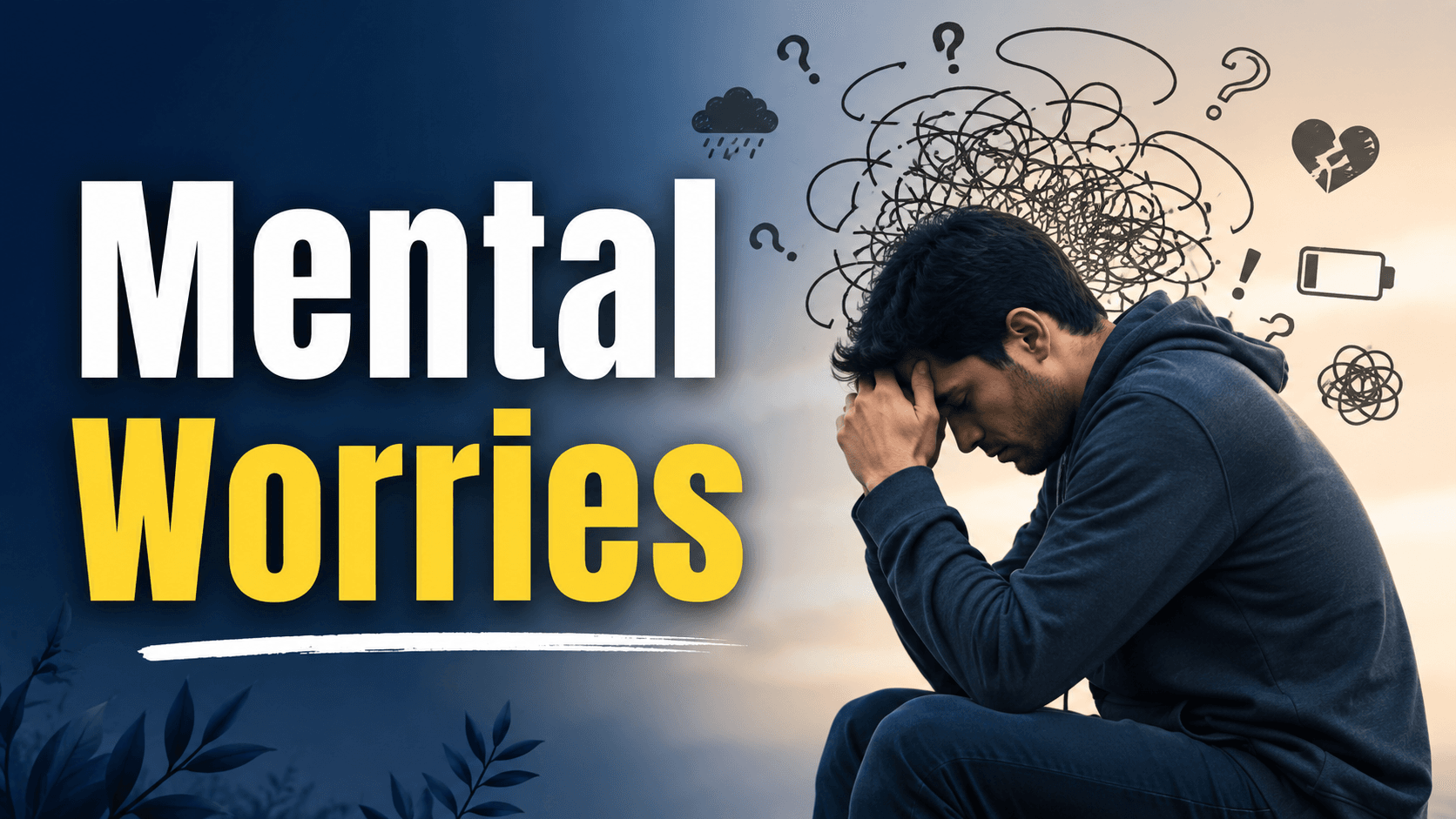
What Are Mental Worries and Why Do They Happen?
Mental worries are a normal part of life, but when they become frequent or overwhelming, they can affect your emotional well-being, physical health, relationships, and daily activities. Everyone experiences worry from time to time, whether it is about work, family, finances, health, studies, or the future. In many situations, worrying can help you prepare for challenges. However, when worries become constant or difficult to control, they may lead to ongoing stress and reduce your quality of life.
Mental worries often begin when the mind focuses on uncertain situations or possible negative outcomes. Instead of concentrating on the present moment, people may repeatedly think about “what if” scenarios. This pattern can make even small problems feel much bigger than they actually are.
Several factors can contribute to mental worries, including:
- Work or Career Pressure: Tight deadlines, job insecurity, heavy workloads, or workplace conflicts can increase stress levels.
- Financial Problems: Concerns about paying bills, managing debt, or unexpected expenses often create ongoing worry.
- Health Concerns: Personal health issues or worrying about the health of loved ones can lead to emotional distress.
- Relationship Challenges: Arguments, misunderstandings, loneliness, or family conflicts may trigger persistent worries.
- Academic Stress: Students may worry about exams, grades, future careers, or meeting expectations.
- Major Life Changes: Moving to a new city, changing jobs, getting married, becoming a parent, or losing a loved one can create emotional uncertainty.
- Negative Thinking Patterns: Constantly expecting the worst or focusing only on problems can make worries feel more intense.
- Lack of Sleep or Rest: Not getting enough quality sleep can make it more difficult to control emotions and may increase feelings of anxiety.
Mental worries do not always have a single cause. In many cases, they develop from a combination of personal experiences, daily stress, personality traits, and life circumstances. For some people, worries disappear once a stressful situation passes. For others, they may continue even when there is no immediate problem, making it difficult to relax or enjoy everyday life.
Common signs that mental worries are affecting you include:
- Feeling nervous or restless most of the day.
- Having difficulty concentrating on tasks.
- Overthinking situations or conversations repeatedly.
- Finding it hard to make decisions.
- Trouble falling asleep or staying asleep.
- Feeling physically tired despite getting enough rest.
- Experiencing headaches, muscle tension, or stomach discomfort related to stress.
- Becoming easily irritated or emotionally overwhelmed.
It is important to remember that experiencing mental worries does not mean you are weak or incapable. Worry is a natural human response to uncertainty. The key difference is how often it happens, how intense it becomes, and whether it interferes with your daily life.
Ignoring persistent worries may allow stress to build over time, making it harder to cope with everyday responsibilities. Understanding the causes of your worries and recognizing them early is an important first step toward improving your mental well-being. Once you identify the sources of your worries, you can begin developing healthier coping strategies, improving daily habits, and seeking support when needed.
Learning about mental worries helps you respond thoughtfully instead of reacting emotionally. With greater awareness, patience, and practical stress-management techniques, many people are able to reduce excessive worrying, improve emotional balance, and enjoy a calmer, healthier, and more fulfilling life.
Common Causes of Mental Worries in Everyday Life
Mental worries can develop for many different reasons, and the cause is not always obvious. Sometimes a single stressful event triggers worry, while in other cases several small problems build up over time until they become emotionally overwhelming. Understanding the common causes of mental worries can help you recognize what is affecting your emotional well-being and take practical steps to manage it more effectively.
One of the most common causes is work-related stress. Many people face pressure to meet deadlines, complete challenging tasks, or balance multiple responsibilities. Concerns about job security, workplace performance, promotions, or conflicts with coworkers can create ongoing anxiety. When work stress continues without proper rest or balance, it may begin to affect sleep, mood, and overall mental health.
Another major cause is financial uncertainty. Worrying about paying monthly bills, managing loans, saving money, or dealing with unexpected expenses can place a heavy emotional burden on individuals and families. Financial concerns often become more stressful during periods of unemployment, inflation, or economic uncertainty.
Health-related concerns are another significant source of mental worries. A person may worry about their own health, ongoing medical conditions, upcoming medical tests, or the well-being of family members. Even waiting for test results or recovering from an illness can increase stress levels.
Healthy relationships are an essential part of maintaining good mental well-being. Problems with a spouse, family member, friend, or colleague can create emotional tension that lasts for weeks or months. Misunderstandings, lack of communication, trust issues, or loneliness may contribute to persistent worry.
Other everyday situations that commonly trigger mental worries include:
- Academic Pressure: Students may worry about exams, grades, assignments, scholarships, or future career opportunities.
- Major Life Changes: Moving to a new home, changing jobs, marriage, divorce, becoming a parent, or retirement can create uncertainty.
- Family Responsibilities: Caring for children, aging parents, or managing household responsibilities can become emotionally demanding.
- Social Expectations: Feeling pressure to meet other people’s expectations or comparing yourself with others may increase stress.
- Uncertainty About the Future: Concerns about career growth, finances, relationships, or personal goals often lead to excessive thinking.
In today’s digital world, constant exposure to social media and online information can also increase mental worries. Seeing carefully edited versions of other people’s lives may create unrealistic expectations and feelings of inadequacy. Reading negative news throughout the day or spending excessive time online may also make worries feel more intense.
Certain lifestyle habits can make everyday worries even harder to manage. These include:
- Poor sleep habits, which reduce emotional resilience.
- Skipping regular physical activity, leading to increased stress levels.
- Unhealthy eating patterns, which may affect energy and mood.
- Excessive caffeine or alcohol consumption, which can worsen feelings of anxiety in some individuals.
- Lack of relaxation time, leaving the mind constantly occupied.
Personal thinking patterns are another important factor. Some people naturally overanalyze situations or expect the worst possible outcome. These habits can make small challenges appear much larger than they really are. Common thinking patterns that increase mental worries include:
- Assuming something bad will happen without evidence.
- Focusing only on problems instead of possible solutions.
- Constantly seeking reassurance from others.
- Blaming yourself for situations beyond your control.
- Focusing on past mistakes rather than using them as opportunities to learn and grow.
It is also important to understand that everyone responds to stress differently. Two people may experience the same situation but react in completely different ways. Factors such as personality, previous life experiences, support from family and friends, and coping skills all influence how mental worries develop.
Recognizing these everyday causes is the first step toward reducing their impact. Once you recognize the situations, habits, or thought patterns causing your worries, you can begin making positive changes more effectively. Small improvements—such as maintaining a healthy routine, practicing stress-management techniques, seeking support from trusted people, and focusing on practical solutions—can gradually help reduce mental worries and improve overall emotional well-being.
Signs and Symptoms of Mental Worries You Shouldn’t Ignore
Mental worries can affect much more than your thoughts. They can affect your emotions, physical well-being, daily behavior, and even your relationships with others. While occasional worry is a normal part of life, persistent or excessive mental worries can become difficult to manage and may interfere with daily activities. Recognizing the warning signs early allows you to take positive steps before the problem becomes more serious.
One of the earliest signs is constant overthinking. Instead of focusing on the present, a person may repeatedly think about past mistakes or future problems. Even after finding a solution, the mind may continue to replay the same thoughts, making it difficult to relax or enjoy everyday life.
Many people with ongoing mental worries also experience difficulty concentrating. Simple tasks that once felt easy may suddenly require much more effort. Reading, studying, working, or making decisions can become challenging because the mind is constantly distracted by anxious thoughts.
Common emotional signs of mental worries include:
- Feeling nervous or restless without a clear reason.
- Excessive fear about future events or possible negative outcomes.
- Becoming easily irritated or frustrated over small issues.
- Feeling overwhelmed by everyday responsibilities.
- Difficulty relaxing, even during free time.
- Loss of confidence in handling normal situations.
- Feeling emotionally exhausted after constant worrying.
Mental worries can also produce noticeable physical symptoms. The brain and body are closely connected, so emotional stress often affects physical health.
Some common physical symptoms include:
- Frequent headaches or migraines.
- Muscle tension, especially in the neck and shoulders.
- Increased heart rate or heart palpitations.
- Sweating without physical activity.
- Upset stomach, nausea, or digestive discomfort.
- Feeling tired even after getting enough sleep.
- Noticeable changes in appetite, including eating significantly more or less than normal.
- Difficulty falling asleep or waking up several times during the night.
Sleep problems are particularly common among people experiencing mental worries. Many individuals find themselves lying awake thinking about unfinished tasks, financial concerns, relationships, or future uncertainties. Poor sleep then creates more fatigue, making it even harder to manage stress the next day.
Behavioral changes may also indicate that mental worries are becoming a problem. You might notice yourself:
- Avoiding situations that feel stressful.
- Postponing important decisions.
- Spending less time with family or friends.
- Losing interest in hobbies you once enjoyed.
- Constantly checking messages, emails, or news updates.
- Seeking repeated reassurance from others.
- Becoming impatient or reacting emotionally to minor problems.
Mental worries can also affect work or academic performance. A person may:
- Miss deadlines because of overthinking.
- Find it difficult to stay focused during meetings or classes.
- Make more mistakes than usual.
- Feel less motivated to complete daily responsibilities.
- Struggle to organize tasks effectively.
Relationships may also suffer when worries become overwhelming. Constant stress can make communication more difficult and may lead to misunderstandings with loved ones. A person might become withdrawn, overly sensitive, or easily frustrated, even though they do not intend to hurt others.
It is important to remember that these symptoms do not automatically mean someone has a mental health disorder. Many of these signs can occur during stressful periods of life. However, if the symptoms become frequent, last for several weeks, or begin affecting your work, relationships, sleep, or overall quality of life, they should not be ignored.
Pay particular attention if you notice:
- Worries that feel impossible to control.
- Symptoms that continue despite positive lifestyle changes.
- Anxiety that interferes with normal daily activities.
- Physical symptoms that have no clear medical explanation.
- Feeling emotionally drained most days.
Recognizing these warning signs is the first step toward improving your mental well-being. By identifying symptoms early, practicing healthy coping strategies, maintaining a balanced lifestyle, and seeking professional support when necessary, many people can successfully manage mental worries and regain a greater sense of calm, confidence, and emotional balance.
How to Overcome Your Mental Worries with Simple Daily Habits
Overcoming mental worries does not usually happen overnight, but small and consistent daily habits can make a significant difference over time. The goal is not to eliminate every worry from your life—because some level of concern is a normal part of being human—but to develop healthier ways of responding to stressful situations. When positive habits become part of your daily routine, your mind becomes more resilient, helping you stay calmer and think more clearly even during difficult times.
One of the most effective habits is starting your day with a positive routine. Instead of immediately checking emails, social media, or the news, spend a few quiet minutes focusing on yourself. Stretch your body, drink a glass of water, take a few slow breaths, or think about one thing you are grateful for. Beginning the day calmly can help reduce stress before it builds.
Build a Healthy Daily Routine
A structured routine gives your mind a sense of stability and control. Even simple daily habits can reduce unnecessary stress.
Consider including these activities in your schedule:
- Wake up and go to bed at the same time each day.
- Eat balanced meals at regular times.
- Set realistic goals for the day.
- Take short breaks between work or study sessions.
- Spend time outdoors whenever possible.
- Make time for hobbies or activities you enjoy.
Having a predictable routine helps reduce uncertainty, which is often one of the biggest triggers of mental worries.
Stay Physically Active
Regular exercise supports both your physical health and your mental well-being. Exercise encourages the release of chemicals that improve mood and reduce stress.
You do not need an intense workout to experience these benefits. You can try:
- Walking for 20–30 minutes.
- Cycling around your neighborhood.
- Gentle stretching exercises.
- Yoga or light fitness routines.
- Dancing to your favorite music.
Even small amounts of daily movement can help reduce tension and improve emotional well-being.
Practice Deep Breathing and Relaxation
When worries begin to build, your breathing often becomes faster and shallower. Slowing your breathing can help your body feel calmer.
Simple relaxation techniques include:
- Taking slow, deep breaths for several minutes.
- Practicing mindfulness meditation.
- Listening to calming music.
- Spending quiet time in nature.
- Reading a book before bed instead of spending time on electronic devices.
These habits help shift your attention away from constant worrying and bring your focus back to the present moment.
Challenge Negative Thoughts
Negative thought patterns can make mental worries feel more intense and difficult to manage. Instead of automatically believing every anxious thought, pause and ask yourself:
- Is there real evidence that this will happen?
- Am I assuming the worst without proof?
- What advice would I give a friend in the same situation?
- Is there another way to look at this problem?
Learning to question negative thoughts can reduce unnecessary worry and improve decision-making.
Limit Information Overload
Constant exposure to news, social media, and online discussions can increase stress levels, especially if the content is negative or alarming.
To protect your mental well-being:
- Limit time spent scrolling through social media.
- Avoid checking the news repeatedly throughout the day.
- Follow reliable sources instead of rumors.
- Take regular breaks from digital devices.
Reducing unnecessary information allows your mind to rest and recover.
Stay Connected with Supportive People
Talking to someone you trust can make worries feel more manageable. Sharing your thoughts does not make you weak—it allows you to gain perspective and emotional support.
Helpful ways to stay connected include:
- Spending time with family members.
- Talking to close friends.
- Joining community or support groups.
- Asking for guidance when you feel overwhelmed.
Sometimes, simply knowing that someone is willing to listen can reduce emotional pressure.
Focus on What You Can Control
Many worries come from situations beyond your control. Instead of spending energy on things you cannot change, focus on practical actions you can take today.
For example:
- Create a plan instead of worrying about a problem.
- Break large tasks into smaller, manageable steps.
- Celebrate small achievements along the way.
- Accept that not every situation can be predicted or controlled.
This mindset helps replace helplessness with confidence and action.
Finally, remember that overcoming mental worries is a gradual process. Some days will be easier than others, and setbacks are completely normal. The important thing is to stay consistent with healthy habits rather than expecting instant results. By maintaining a balanced routine, staying active, practicing relaxation techniques, limiting unnecessary stress, and reaching out for support when needed, you can gradually strengthen your emotional resilience and enjoy a calmer, healthier, and more positive outlook on life.
Healthy Lifestyle Changes That Improve Mental Well-Being
A healthy lifestyle plays an important role in reducing mental worries and improving overall mental well-being. While it may not remove every source of stress, making positive changes to your daily routine can help your mind and body cope with challenges more effectively. Healthy habits improve emotional resilience, increase energy levels, and support clearer thinking, making it easier to handle everyday pressures.
One of the most beneficial lifestyle changes is maintaining a balanced daily routine. Living without a routine often creates unnecessary stress because the mind constantly feels unorganized. A consistent schedule helps create stability, making daily responsibilities easier to manage.
Prioritize Quality Sleep
Getting enough quality sleep is essential for emotional and mental health. During sleep, the brain processes information, restores energy, and regulates emotions. Poor sleep can increase irritability, reduce concentration, and make everyday worries feel much more overwhelming.
To improve your sleep habits:
- Aim for 7–9 hours of sleep each night.
- Maintain a consistent sleep schedule by going to bed and waking up at the same time each day.
- Avoid using phones, tablets, or laptops before bedtime.
- Keep your bedroom quiet, cool, and comfortable.
- Limit caffeine and heavy meals in the evening.
A well-rested mind is better equipped to manage stress and make thoughtful decisions.
Eat a Nutritious and Balanced Diet
The foods you eat play an important role in supporting both your physical health and your mental well-being. A balanced diet provides the nutrients your brain needs to function properly and maintain a stable mood.
Try to include:
- Fresh fruits and vegetables.
- Whole grains.
- Healthy protein sources include fish, eggs, beans, and skinless chicken.
- Healthy fats from nuts, seeds, and olive oil.
- Plenty of water throughout the day.
At the same time, try to reduce:
- Sugary snacks and drinks.
- Highly processed foods.
- Excessive caffeine.
- Too much alcohol.
Healthy eating habits can help maintain steady energy levels and reduce mood swings.
Stay Physically Active
Regular physical activity is one of the most effective natural ways to improve mental well-being. Exercise releases endorphins, often called “feel-good” chemicals, which help reduce stress and improve mood.
You do not need expensive equipment or long workouts. Consider activities such as:
- Brisk walking.
- Jogging.
- Cycling.
- Swimming.
- Yoga.
- Stretching exercises.
- Dancing.
Even 20 to 30 minutes of moderate exercise most days of the week can positively impact your mental health.
Spend Time Outdoors
Nature has a calming effect on many people. Spending time outside can help reduce stress, improve mood, and provide a mental break from busy daily routines.
Simple outdoor activities include:
- Walking in a park.
- Gardening.
- Sitting in a quiet natural environment.
- Watching the sunrise or sunset.
- Taking short walks during work breaks.
Fresh air and natural surroundings often help clear the mind and reduce feelings of tension.
Build Strong Social Connections
Supportive relationships are an important part of emotional well-being. Talking with family members, friends, or trusted colleagues can help you feel understood and less isolated.
Healthy ways to strengthen relationships include:
- Scheduling regular conversations with loved ones.
- Spending quality time together.
- Asking for help when needed.
- Offering support to others.
- Joining local clubs, volunteer groups, or community activities.
Strong social connections can provide encouragement during difficult times and improve emotional resilience.
Practice Stress-Management Techniques
Everyday stress cannot always be avoided, but it can be managed in healthier ways.
Helpful stress-management techniques include:
- Deep breathing exercises.
- Meditation.
- Mindfulness practice.
- Journaling your thoughts.
- Listening to relaxing music.
- Reading books.
- Spending time on creative hobbies.
Practicing these techniques regularly helps calm the mind and reduce the intensity of mental worries.
Reduce Unhealthy Habits
Certain habits may provide temporary comfort but often make mental worries worse over time.
Try to avoid:
- Smoking.
- Excessive alcohol consumption.
- Misusing medications.
- Spending excessive hours on social media.
- Ignoring signs of emotional exhaustion.
Replacing unhealthy habits with positive alternatives supports long-term mental wellness.
Set Realistic Goals
Trying to accomplish everything at once can create unnecessary pressure. Setting realistic and achievable goals helps reduce stress while improving confidence.
Helpful strategies include:
- Breaking large tasks into smaller steps.
- Prioritizing important responsibilities.
- Celebrating small successes.
- Accepting that perfection is not always possible.
- Learning from mistakes instead of dwelling on them.
These simple changes help create a healthier mindset and reduce feelings of being overwhelmed.
Finally, remember that improving mental well-being is an ongoing journey rather than a quick fix. Small lifestyle changes practiced consistently often produce better long-term results than making dramatic changes all at once. By prioritizing quality sleep, eating nutritious foods, staying physically active, managing stress, maintaining meaningful relationships, and focusing on healthy daily habits, you can gradually reduce mental worries and build a stronger, calmer, and more balanced mind.
Effective Ways to Manage Stress, Anxiety, and Negative Thoughts
Stress, anxiety, and negative thoughts are common experiences that most people face at some point in life. While occasional stress can motivate you to solve problems or meet important goals, ongoing stress and constant negative thinking can affect your emotional well-being, physical health, and overall quality of life. Learning healthy ways to manage these feelings can help you stay calm, think more clearly, and respond to life’s challenges with greater confidence.
One of the first steps is understanding that you cannot control everything that happens in life, but you can control how you respond to it. Accepting this reality helps reduce unnecessary pressure and allows you to focus on practical solutions instead of worrying about situations beyond your control.
Identify Your Stress Triggers
Managing stress becomes easier when you know what is causing it. Take a moment to identify the situations, people, or habits that make you feel anxious or overwhelmed.
Common stress triggers include:
- Heavy workloads or tight deadlines.
- Financial difficulties.
- Health concerns.
- Family or relationship conflicts.
- Academic pressure.
- Major life changes.
- Lack of sleep.
- Constant exposure to negative news or social media.
Once you identify your triggers, you can begin creating strategies to reduce their impact.
Replace Negative Thoughts with Balanced Thinking
Negative thoughts often make situations seem worse than they really are. Instead of automatically expecting the worst, practice looking at problems from a more balanced perspective.
Ask yourself questions like:
- Is there evidence that my fear is true?
- Am I assuming the worst without knowing the facts?
- What is the most realistic outcome?
- Can this problem be solved one step at a time?
Replacing negative thinking with realistic thinking does not ignore problems—it helps you approach them calmly and logically.
Practice Relaxation Techniques Every Day
Relaxation techniques help slow down the body’s stress response and improve emotional balance. Even spending a few minutes each day relaxing can make a noticeable difference.
Helpful techniques include:
- Deep breathing exercises.
- Mindfulness meditation.
- Progressive muscle relaxation.
- Gentle yoga.
- Listening to calming music.
- Spending quiet time in nature.
Regular relaxation helps lower tension and allows your mind to recover from daily stress.
Focus on the Present Moment
Many worries come from thinking too much about the future or repeatedly replaying past events. Practicing mindfulness encourages you to focus on what is happening right now instead of situations you cannot change.
Simple ways to stay present include:
- Paying attention to your breathing.
- Observing your surroundings without judgment.
- Focusing on one task at a time.
- Taking short breaks during busy days.
- Appreciating small positive moments.
Living in the present can reduce unnecessary worrying and improve emotional well-being.
Stay Connected with Positive People
Support from trusted family members and friends can make stressful situations feel much more manageable. Talking openly about your concerns often provides comfort, encouragement, and new perspectives.
Try to:
- Share your feelings honestly.
- Spend time with supportive people.
- Accept help when it is offered.
- Avoid isolating yourself during difficult periods.
- Join community or support groups if needed.
Strong social connections are an important source of emotional strength.
Maintain Healthy Daily Habits
Your physical and mental health are closely linked and influence each other. Healthy daily habits improve your ability to cope with stress and anxiety.
Make these habits part of your routine:
- Get enough sleep every night.
- Eat nutritious meals.
- Exercise regularly.
- Stay hydrated.
- Limit caffeine if it increases nervousness.
- Reduce unnecessary screen time before bed.
These simple habits help keep both your mind and body functioning at their best.
Give Yourself Permission to Take Breaks
Many people believe they must stay productive every minute of the day. However, working continuously without rest often increases stress and reduces concentration.
Healthy breaks might include:
- Taking a short walk.
- Stretching your body.
- Reading a few pages of a book.
- Enjoying a hobby.
- Spending a few quiet minutes outdoors.
Short breaks help refresh your mind and improve focus when you return to your responsibilities.
Know When to Seek Professional Support
Sometimes stress, anxiety, or negative thoughts become too difficult to manage alone. If your worries continue for several weeks, interfere with work or relationships, or make daily life difficult, consider speaking with a qualified mental health professional. Therapists, counselors, psychologists, and other healthcare providers can offer evidence-based strategies tailored to your specific needs.
Reaching out for professional support is a positive step, not a sign of weakness. It is a positive step toward protecting your mental health and improving your quality of life.
Managing stress, anxiety, and negative thoughts is a lifelong process that requires patience and consistency. Some days will feel easier than others, but every small positive choice contributes to better mental well-being. By identifying stress triggers, challenging negative thinking, practicing relaxation techniques, maintaining healthy habits, staying connected with supportive people, and seeking professional guidance when necessary, you can gradually build emotional resilience and enjoy a calmer, healthier, and more balanced life.
Common Mistakes That Can Make Mental Worries Worse
Everyone experiences mental worries from time to time, but certain habits and behaviors can unintentionally make those worries much worse. Many people focus only on reducing stress without realizing that some of their daily actions are actually increasing anxiety and emotional pressure. Recognizing these common mistakes is an important step toward protecting your mental well-being and developing healthier coping strategies.
One of the biggest mistakes is keeping your worries to yourself. Many people believe they must solve every problem alone or fear that talking about their emotions will make them appear weak. In reality, sharing your thoughts with someone you trust can provide emotional relief, practical advice, and a fresh perspective. Even a simple conversation with a family member, close friend, or mental health professional can make a significant difference.
Constantly Overthinking Every Situation
Overthinking is one of the most common habits that increases mental worries. Instead of focusing on solutions, the mind repeatedly analyzes every detail, imagines worst-case scenarios, and replays past events.
Signs of overthinking include:
- Repeating the same thoughts for hours.
- Constantly questioning your decisions.
- Imagining problems that have not happened.
- Feeling mentally exhausted after simple situations.
- Struggling to move on from past mistakes.
Rather than solving problems, overthinking often creates more emotional stress.
Ignoring Stress and Emotional Fatigue
Another common mistake is pretending that everything is fine while ignoring signs of emotional exhaustion. Many people continue working without taking breaks, believing they can simply “push through” stress.
Ignoring emotional health may lead to:
- Increased anxiety.
- Poor concentration.
- Irritability.
- Sleep problems.
- Physical fatigue.
- Reduced motivation.
Paying attention to early warning signs allows you to address stress before it becomes overwhelming.
Comparing Yourself to Others
Social comparison has become much more common in the digital age. Seeing other people’s achievements, lifestyles, or success on social media may create unrealistic expectations.
Remember that:
- People usually share only the positive parts of their lives.
- Every person’s journey is different.
- Success happens at different times for different individuals.
- Comparing yourself constantly reduces self-confidence.
Focus on your own progress rather than measuring your life against someone else’s.
Neglecting Physical Health
Mental and physical health are closely connected. Ignoring healthy habits often makes emotional worries more difficult to manage.
Common unhealthy habits include:
- Sleeping too little.
- Skipping meals.
- Eating excessive junk food.
- Avoiding exercise.
- Drinking too much caffeine.
- Spending long hours sitting without movement.
Taking care of your body provides your mind with the energy needed to handle stress more effectively.
Trying to Control Everything
Many people become anxious because they try to control situations that are beyond their influence. Life naturally includes uncertainty, and attempting to control every outcome often creates frustration.
Instead:
- Focus on what you can influence.
- Accept that unexpected events happen.
- Adapt when plans change.
- Concentrate on taking the next practical step.
Learning acceptance reduces unnecessary emotional pressure.
Avoiding Problems Instead of Facing Them
Avoidance may provide temporary relief, but it usually allows worries to grow larger over time.
Examples include:
- Delaying important decisions.
- Ignoring financial responsibilities.
- Avoiding difficult conversations.
- Postponing medical appointments.
- Leaving work unfinished.
Facing problems one step at a time often reduces anxiety more effectively than avoiding them.
Spending Too Much Time Online
Excessive screen time and constant exposure to negative news or social media can increase stress levels.
Healthy digital habits include:
- Setting limits on social media use.
- Taking regular screen breaks.
- Avoiding news before bedtime.
- Following reliable sources.
- Spending more time on offline activities.
Giving your mind regular breaks from digital information helps improve emotional balance.
Believing You Must Handle Everything Alone
Many people hesitate to ask for help because they fear being judged. However, seeking support is a sign of self-awareness and strength.
Consider reaching out to:
- Family members.
- Trusted friends.
- Teachers or mentors.
- Counselors.
- Mental health professionals.
Support from others can provide encouragement, guidance, and practical solutions that you may not have considered on your own.
Finally, remember that everyone makes mistakes while trying to cope with stress. The important thing is not to blame yourself but to recognize unhelpful habits and replace them with healthier ones. By avoiding excessive overthinking, taking care of your physical health, maintaining realistic expectations, limiting unnecessary stress, and seeking support when needed, you can prevent mental worries from becoming more overwhelming. Small positive changes practiced consistently can lead to a calmer mind, greater emotional resilience, and a healthier, more balanced life.
When Should You Seek Professional Help for Mental Worries?
Mental worries are a normal part of life, and most people experience stress or anxiety during challenging situations. In many cases, these feelings improve with time, healthy lifestyle changes, and support from family or friends. However, there are times when mental worries become persistent, overwhelming, or begin interfering with daily life. Knowing when to seek professional help is an important step in protecting your mental well-being and preventing your symptoms from worsening.
Many people delay asking for help because they believe their worries will simply disappear on their own or because they feel embarrassed about discussing their emotions. In reality, seeking support from a qualified healthcare professional is a responsible and positive decision. Mental health deserves the same attention as physical health, and early intervention often leads to better outcomes.
Signs That Professional Help May Be Needed
You should consider speaking with a healthcare provider or mental health professional if your worries continue for an extended period or begin affecting different areas of your life.
Common warning signs include:
- Constant worrying that feels difficult to control.
- Feeling anxious or stressed most days of the week.
- Difficulty concentrating at work, school, or home.
- Persistent sadness or emotional exhaustion.
- Frequent panic attacks or intense fear.
- Trouble sleeping for several weeks.
- Loss of interest in hobbies or daily activities.
- Feeling hopeless or overwhelmed.
- Avoiding social situations because of anxiety.
- Physical symptoms such as headaches, stomach problems, or muscle tension without a clear medical cause.
If these symptoms continue for several weeks despite making healthy lifestyle changes, professional guidance may be beneficial.
When Mental Worries Affect Daily Life
Mental worries should never be ignored when they begin interfering with normal daily activities.
For example, if you notice that you are:
- Missing work or school because of anxiety.
- Unable to complete everyday responsibilities.
- Frequently canceling social plans.
- Struggling to maintain healthy relationships.
- Constantly feeling mentally exhausted.
- Finding it difficult to make simple decisions.
These changes may indicate that your emotional well-being requires additional support.
When Physical Symptoms Become More Noticeable
Stress and anxiety often affect the body as well as the mind.
You may experience:
- Ongoing headaches.
- Rapid heartbeat.
- Digestive discomfort.
- Muscle pain or tension.
- Constant fatigue.
- Changes in appetite.
- Difficulty sleeping.
Although these symptoms can have many possible causes, persistent physical symptoms should always be discussed with a healthcare provider to rule out underlying medical conditions.
Professional Treatment Options
Mental health professionals use evidence-based approaches to help individuals manage stress, anxiety, and excessive worrying.
Treatment may include:
- Psychological counseling or therapy to identify thought patterns and develop healthy coping strategies.
- Cognitive Behavioral Therapy (CBT), which helps people recognize and change unhelpful thinking habits.
- Stress-management techniques taught by trained professionals.
- Lifestyle recommendations that improve sleep, nutrition, exercise, and emotional balance.
- Medication, when recommended by a qualified healthcare provider for certain conditions.
The most appropriate treatment depends on your individual symptoms, overall health, and personal circumstances.
How to Prepare Before Seeking Help
Many people feel nervous before speaking with a healthcare professional. Preparing in advance can make the conversation easier.
Consider writing down:
- When your worries started.
- Situations that make them worse.
- Physical symptoms you have noticed.
- Changes in sleep or appetite.
- Any major life events or sources of stress.
- Questions you would like to ask.
Providing clear information helps your healthcare provider better understand your concerns.
Supporting Someone Who Is Struggling
If a friend or family member is struggling with severe mental worries, your support can make a meaningful difference.
You can help by:
- Listening without judging.
- Encouraging them to seek professional advice.
- Offering practical assistance when needed.
- Respecting their feelings.
- Checking in with them regularly.
Avoid telling someone to “just stop worrying,” as this may make them feel misunderstood. Compassion and patience are often much more helpful.
Remember That Seeking Help Is a Sign of Strength
Many people mistakenly believe that asking for professional support means they have failed. The opposite is true. Recognizing when you need help demonstrates self-awareness and a commitment to improving your health.
Mental health professionals are trained to provide confidential, evidence-based care. With the right support, many people can manage stress more effectively, ease anxiety, build emotional resilience, and regain confidence in everyday life.
If your mental worries are persistent, become overwhelming, or begin affecting your work, relationships, sleep, or overall quality of life, do not hesitate to seek professional guidance. Early support can make a meaningful difference, helping you develop healthy coping skills, improve emotional well-being, and build a calmer, healthier, and more balanced future.
Conclusion
Mental worries are a natural part of life, but they should never control the way you live. Every person faces challenges, setbacks, and moments of uncertainty, yet the way you respond to those situations makes the biggest difference. Understanding the causes of mental worries, recognizing their warning signs, adopting healthy daily habits, making positive lifestyle changes, managing stress effectively, avoiding common mistakes, and knowing when to seek professional help are all important steps toward achieving better mental well-being.
Remember that improving your mental health is not about becoming worry-free overnight. It is about making small, consistent changes that strengthen your mind over time. Simple habits such as getting enough sleep, eating nutritious foods, staying physically active, practicing mindfulness, maintaining meaningful relationships, and taking regular breaks can have a lasting positive impact on your emotional health. Likewise, learning to replace negative thoughts with realistic thinking and focusing on what you can control can help reduce unnecessary stress.
It is equally important to be patient with yourself. Everyone experiences difficult days, and occasional setbacks are a normal part of life. Instead of criticizing yourself for feeling worried, treat yourself with kindness and recognize that emotional well-being is a journey, not a destination. Progress often comes through small daily improvements rather than dramatic changes.
If your worries begin interfering with your work, relationships, sleep, or overall quality of life, do not hesitate to seek professional guidance. Early support from a qualified mental health professional can provide valuable tools and strategies to help you regain emotional balance. Seeking help is a sign of strength, self-awareness, and a commitment to living a healthier life.
Ultimately, your mental health is one of your greatest assets. By taking care of your mind as carefully as you take care of your body, you build resilience, confidence, and the ability to face life’s challenges with greater calm. Every positive step you take today—no matter how small—brings you closer to a happier, healthier, and more peaceful future. Prioritize your mental well-being, believe in your ability to grow, and remember that lasting change begins with one small step at a time.
➤ Tap here to explore effective remedies for common health issues along with practical tips to keep your body strong and healthy.
https://hinditipsonline.com/category/health-tips/
➤ If you’d rather watch than read, just click the link below to enjoy the full video.
https://youtu.be/yqR77sa4EVE?si=4Mpt_NjV9U6NJFBT
Frequently Asked Questions
Q1. What are mental worries?
A: Mental worries are repeated thoughts or concerns about problems, uncertainty, or future events. While occasional worry is normal, excessive or persistent worrying can affect your emotional well-being, daily activities, and overall quality of life.
Q2. What are the most common causes of mental worries?
A: Mental worries can be caused by work pressure, financial problems, health concerns, relationship issues, academic stress, major life changes, lack of sleep, and negative thinking patterns.
Q3. How can I overcome my mental worries naturally?
A: You can reduce mental worries by maintaining a healthy routine, exercising regularly, eating nutritious foods, getting enough sleep, practicing deep breathing or meditation, staying connected with supportive people, and focusing on solutions instead of problems.
Q4. Can poor sleep increase mental worries?
A: Yes. Poor sleep can make it harder to manage emotions, reduce concentration, increase stress levels, and make anxious thoughts feel more intense. Adults should aim for 7–9 hours of quality sleep each night.
Q5. Does regular exercise help reduce stress and anxiety?
A: Yes. Regular physical activity releases endorphins, which help improve mood, reduce stress, and promote better mental well-being. Even a 20–30 minute walk can have positive effects.
Q6. What are the warning signs that mental worries are becoming serious?
A: Warning signs include constant overthinking, difficulty concentrating, sleep problems, frequent headaches, emotional exhaustion, panic attacks, loss of interest in daily activities, and worries that interfere with work or relationships.
Q7. Can mindfulness and meditation help with mental worries?
A: Yes. Mindfulness and meditation help calm the mind, improve focus, reduce stress, and encourage you to stay present instead of worrying about the past or future.
Q8. What mistakes can make mental worries worse?
A: Common mistakes include overthinking, ignoring stress, comparing yourself to others, avoiding problems, neglecting physical health, spending too much time on social media, and trying to control everything.
Q9. When should I seek professional help for mental worries?
A: You should consider seeking professional help if your worries last for several weeks, become difficult to control, interfere with daily life, affect your sleep or relationships, or cause significant emotional distress.
Q10. Can lifestyle changes improve mental well-being?
A: Yes. Healthy lifestyle habits such as eating a balanced diet, staying physically active, maintaining a consistent sleep schedule, managing stress, and building supportive relationships can greatly improve mental well-being.
Q11. Is it possible to completely stop worrying?
A: No. Worry is a natural human emotion, and it cannot be eliminated completely. The goal is to learn healthy ways to manage worries so they do not control your thoughts, emotions, or daily life.