
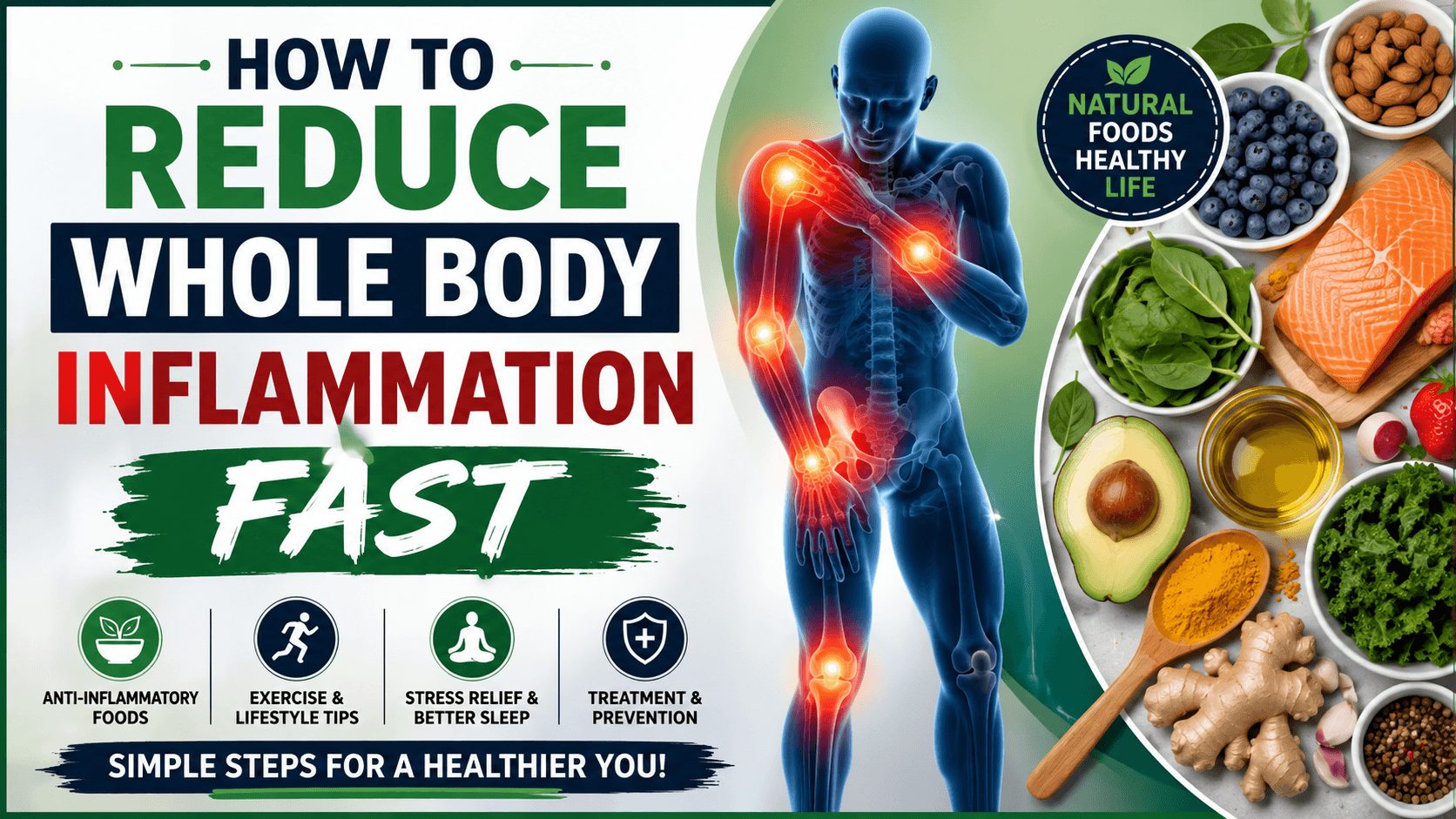
What Is Whole Body Inflammation and What Causes It?
Whole body inflammation is the body’s natural defense mechanism against infections, injuries, and harmful substances. When you get a cut, catch a virus, or suffer an injury, your immune system triggers inflammation to protect the body and promote healing. This short-term response is called acute inflammation, and it usually goes away once the affected area has healed.
However, inflammation becomes a concern when it continues for weeks, months, or even years. This is known as chronic inflammation. Unlike acute inflammation, chronic inflammation can quietly damage healthy tissues and organs without causing obvious symptoms at first. Over time, it may increase the risk of several serious health conditions, making it important to understand its causes and take preventive steps.
Types of Inflammation
There are two main types of inflammation:
- Acute Inflammation: A short-term response caused by infections, injuries, or illness that helps the body heal.
- Chronic Inflammation: A long-lasting condition where the immune system remains active even when there is no immediate threat, potentially damaging healthy tissues.
Common Causes of Whole Body Inflammation
Several factors can contribute to chronic inflammation, including:
- Unhealthy Diet: Frequently eating processed foods, sugary snacks, refined carbohydrates, fried foods, and processed meats may increase inflammation.
- Excess Body Weight: Belly fat produces inflammatory chemicals that can keep the immune system activated.
- Physical Inactivity: A sedentary lifestyle may contribute to higher levels of inflammation over time.
- Chronic Stress: Long-term emotional or mental stress can affect immune function and promote inflammation.
- Poor Sleep: Consistently getting insufficient or poor-quality sleep may increase inflammatory markers in the body.
- Smoking: Tobacco smoke can damage body tissues and blood vessels, contributing to chronic inflammation.
- Excessive Alcohol Consumption: Heavy alcohol use can harm the liver, digestive system, and immune response.
- Autoimmune Diseases: Conditions such as rheumatoid arthritis and lupus cause the immune system to attack healthy tissues.
- Persistent Infections: Some bacterial or viral infections can trigger long-term inflammation.
- Environmental Pollution: Regular exposure to pollutants, chemicals, and toxins may contribute to chronic inflammation.
Health Conditions Linked to Chronic Inflammation
Long-term inflammation has been associated with several health problems, such as:
- Heart disease
- Type 2 diabetes
- Arthritis
- Obesity
- Fatty liver disease
- Inflammatory bowel disease (IBD)
- Certain autoimmune disorders
- Some types of cancer
Who Is More Likely to Develop Chronic Inflammation?
The risk may be higher in people who:
- Eat an unhealthy diet regularly.
- Are overweight or obese.
- Exercise very little.
- Experience ongoing stress.
- Sleep less than the recommended amount.
- Smoke or consume excessive alcohol.
- Have a family history of inflammatory or autoimmune diseases.
Why Early Prevention Matters
Chronic inflammation often develops silently, meaning symptoms may not appear until damage has already occurred. Fortunately, adopting healthier lifestyle habits—such as eating a balanced diet, staying physically active, managing stress, maintaining a healthy weight, and getting enough sleep—can help reduce inflammation and support long-term health. If inflammation is suspected or symptoms persist, consulting a healthcare professional is important for proper evaluation and treatment.
Common Signs and Symptoms of Chronic Inflammation
Chronic inflammation often develops gradually and may not cause noticeable symptoms in its early stages. Unlike acute inflammation, which usually causes redness, swelling, pain, and warmth in one specific area, chronic inflammation can affect the entire body. Because the symptoms are often mild or mistaken for other health problems, many people may not realize that ongoing inflammation is affecting their health.
Recognizing the warning signs early can help you make lifestyle changes and seek medical advice before inflammation contributes to more serious conditions.
Persistent Fatigue
One of the most common symptoms of chronic inflammation is constant tiredness. Even after getting enough sleep, you may still feel exhausted or have low energy throughout the day. This happens because the immune system remains active, using extra energy to maintain an inflammatory response.
Joint and Muscle Pain
Inflammation can affect the joints and muscles, leading to:
- Joint stiffness, especially in the morning.
- Muscle aches without heavy physical activity.
- Swollen or tender joints.
- Reduced flexibility and mobility.
Persistent joint pain should not be ignored, especially if it lasts for several weeks.
Digestive Problems
Chronic inflammation may interfere with the digestive system and cause symptoms such as:
- Frequent bloating.
- Stomach discomfort.
- Constipation or diarrhea.
- Acid reflux.
- Irritable bowel symptoms.
A healthy digestive system plays an important role in controlling inflammation, so ongoing digestive issues may be linked to inflammatory processes.
Brain Fog and Difficulty Concentrating
Many people with chronic inflammation report problems with thinking clearly. This is often referred to as brain fog and may include:
- Difficulty concentrating.
- Poor memory.
- Slow thinking.
- Reduced mental focus.
- Trouble completing daily tasks.
Inflammation may affect the brain through immune signaling, which can influence cognitive function.
Frequent Illness
When the immune system remains constantly active, it may become less effective at protecting the body. As a result, some people may:
- Catch colds more often.
- Recover slowly from infections.
- Experience repeated minor illnesses.
- Feel generally unwell.
Skin Problems
Inflammation can also appear on the skin. Common signs include:
- Acne flare-ups.
- Eczema.
- Psoriasis.
- Redness.
- Itchy or irritated skin.
- Slow wound healing.
Persistent skin problems may sometimes reflect inflammation occurring inside the body.
Unexplained Weight Changes
Inflammation may influence hormones that regulate metabolism and appetite. Some individuals experience:
- Difficulty losing weight.
- Weight gain, especially around the abdomen.
- Increased cravings for unhealthy foods.
These changes can further increase inflammation if not managed properly.
Mood Changes
Chronic inflammation may also affect emotional well-being. Some people notice:
- Increased irritability.
- Low mood.
- Anxiety.
- Reduced motivation.
- Feeling emotionally drained.
Although many factors can influence mental health, inflammation may contribute to these symptoms in some individuals.
Other Possible Symptoms
Additional signs that may be associated with chronic inflammation include:
- Frequent headaches.
- Poor sleep quality.
- Low-grade fever.
- Swollen lymph nodes.
- Increased sensitivity to pain.
- General body aches.
These symptoms can vary from person to person and may also be caused by other medical conditions.
When Should You See a Doctor?
You should seek medical advice if you experience:
- Fatigue that lasts for several weeks.
- Persistent joint pain or swelling.
- Ongoing digestive problems.
- Recurrent infections.
- Unexplained weight changes.
- Symptoms that interfere with your daily life.
A healthcare professional may recommend blood tests or other evaluations to determine whether chronic inflammation or another underlying condition is contributing to your symptoms.
Recognizing the signs of chronic inflammation early is an important step toward protecting your long-term health. While these symptoms do not always mean you have chronic inflammation, paying attention to persistent changes in your body and adopting healthy lifestyle habits can help reduce inflammation and improve overall well-being.
Best Anti-Inflammatory Foods to Reduce Inflammation Fast
Your daily food choices can significantly influence whether inflammation in your body increases or decreases. While no single food can eliminate inflammation overnight, following a balanced diet rich in anti-inflammatory nutrients can help support your immune system and lower chronic inflammation over time. Choosing whole, minimally processed foods is one of the most effective ways to improve your overall health.
Eat More Fruits and Vegetables
Fruits and vegetables are packed with vitamins, minerals, antioxidants, and fiber that help protect your cells from damage.
Some of the best choices include:
- Leafy greens such as spinach, kale, and Swiss chard.
- Berries including blueberries, strawberries, and raspberries.
- Broccoli and cauliflower.
- Tomatoes.
- Bell peppers.
- Oranges and citrus fruits.
Aim to fill at least half of your plate with colorful fruits and vegetables at most meals.
Choose Fatty Fish Rich in Omega-3 Fatty Acids
Omega-3 fatty acids are well known for their natural anti-inflammatory benefits.
Healthy options include:
- Salmon.
- Sardines.
- Mackerel.
- Tuna.
- Herring.
Eating fatty fish two to three times per week may help support heart health and reduce inflammation.
Include Healthy Fats
Not all fats are harmful. Healthy fats can actually help fight inflammation.
Good sources include:
- Extra virgin olive oil.
- Avocados.
- Walnuts.
- Almonds.
- Chia seeds.
- Flaxseeds.
These foods also provide healthy nutrients that support brain and heart health.
Add Herbs and Spices
Many herbs and spices contain natural compounds that may help reduce inflammation.
Popular choices include:
- Turmeric.
- Ginger.
- Garlic.
- Cinnamon.
- Black pepper.
Using these ingredients regularly in home-cooked meals is an easy way to add flavor while supporting overall health.
Eat More Whole Grains
Whole grains contain fiber and nutrients that help support a healthy digestive system.
Better options include:
- Oats.
- Brown rice.
- Quinoa.
- Whole wheat.
- Barley.
Replacing refined grains with whole grains may contribute to better long-term health.
Choose Lean Protein Sources
Protein is essential for repairing body tissues and maintaining muscle health.
Healthy protein choices include:
- Skinless chicken.
- Turkey.
- Eggs.
- Beans.
- Lentils.
- Chickpeas.
- Tofu.
Plant-based proteins also provide fiber and beneficial plant compounds.
Support Gut Health
A healthy gut may help regulate inflammation throughout the body.
Foods that support gut health include:
- Plain yogurt with live cultures.
- Kefir.
- Sauerkraut.
- Kimchi.
- Fiber-rich fruits and vegetables.
- Whole grains.
A balanced gut microbiome is an important part of maintaining a healthy immune system.
Drink Enough Water
Proper hydration helps your body perform many important functions.
Try to:
- Drink water regularly throughout the day.
- Limit sugary drinks.
- Reduce excessive alcohol consumption.
Staying hydrated supports normal body processes and overall well-being.
Foods That May Increase Inflammation
Some foods may contribute to chronic inflammation when eaten frequently.
Try to limit:
- Sugary beverages.
- Candy and desserts.
- White bread and refined carbohydrates.
- Deep-fried foods.
- Processed meats.
- Fast food.
- Packaged snack foods high in trans fats.
- Excessive alcohol.
Reducing these foods while replacing them with healthier alternatives can make a significant difference over time.
Build an Anti-Inflammatory Eating Pattern
Instead of focusing on one “superfood,” aim for an overall healthy eating pattern by:
- Eat a colorful selection of fruits and vegetables each day to support better health.
- Choosing whole foods instead of highly processed products.
- Including healthy fats in moderation.
- Eating lean proteins regularly.
- Consuming more fiber-rich foods.
- Limiting added sugar, salt, and unhealthy fats.
There is no instant cure for chronic inflammation, but consistently making healthier food choices can help your body function more efficiently and support long-term wellness. Combined with regular exercise, quality sleep, stress management, and routine medical care when needed, an anti-inflammatory diet is one of the most effective ways to reduce whole body inflammation naturally.
Natural Ways to Reduce Whole Body Inflammation Quickly
Although there is no instant cure for chronic inflammation, making healthy lifestyle changes can help lower inflammation naturally and support your body’s healing process. Simple daily habits such as exercising regularly, sleeping well, managing stress, and maintaining a healthy weight can make a significant difference over time. The key is consistency rather than looking for a quick fix.
Exercise Regularly
Physical activity is one of the most effective natural ways to reduce inflammation. Regular exercise helps improve blood circulation, strengthens the immune system, supports heart health, and helps maintain a healthy body weight.
Aim for:
- At least 150 minutes of moderate exercise each week.
- Brisk walking, cycling, swimming, or jogging.
- Strength training at least two days per week.
- Gentle stretching or yoga to improve flexibility.
A simple 30-minute walk on most days of the week can significantly improve your overall health.
Get Enough Quality Sleep
Your body repairs itself while you sleep. Poor or insufficient sleep may increase inflammatory markers and weaken the immune system.
Healthy sleep habits include:
- Sleeping 7–9 hours every night.
- Going to bed and waking up at the same time daily.
- Avoiding screens before bedtime.
- Keeping your bedroom cool, dark, and quiet.
- Limiting caffeine late in the day.
Good sleep supports both physical and mental well-being.
Manage Stress Effectively
Long-term stress can keep the immune system activated and contribute to chronic inflammation. Finding healthy ways to manage stress may help reduce its effects on the body.
Helpful stress-management techniques include:
- Deep breathing exercises.
- Meditation.
- Yoga.
- Spending time outdoors.
- Listening to relaxing music.
- Reading a book.
- Talking with friends or family.
Even a few minutes of relaxation each day can improve emotional well-being.
Maintain a Healthy Weight
Excess body fat, especially around the waist, produces inflammatory chemicals that can increase chronic inflammation.
Healthy ways to maintain your weight include:
- Eating balanced meals.
- Controlling portion sizes.
- Exercising regularly.
- Avoiding sugary drinks.
- Choosing whole foods instead of processed snacks.
Gradual and sustainable weight loss is generally more effective than crash dieting.
Stay Hydrated
Water is essential for nearly every function in the body, including nutrient transport, temperature regulation, and waste removal.
To stay hydrated:
- Drink water throughout the day.
- Increase fluid intake during hot weather or exercise.
- Limit sugary beverages.
- Avoid excessive alcohol.
Staying properly hydrated helps your body function efficiently and supports overall health.
Avoid Smoking and Limit Alcohol
Smoking damages tissues, blood vessels, and the immune system, contributing to ongoing inflammation.
For better health:
- Avoid tobacco products completely.
- Limit alcohol intake according to healthcare recommendations.
- Seek professional support if you need help quitting smoking.
Reducing these harmful habits can significantly improve long-term health.
Spend Time Outdoors
Moderate exposure to sunlight helps the body produce vitamin D, which plays an important role in immune function and overall health.
You can also:
- Walk in parks.
- Enjoy outdoor activities.
- Spend time in nature to reduce stress.
Protect your skin by limiting prolonged exposure to the sun whenever possible.
Build Healthy Daily Habits
Small habits practiced consistently can have a lasting impact.
Try to:
- Eat meals at regular times.
- Include plenty of fruits and vegetables.
- Reduce processed foods.
- Stay physically active every day.
- Practice good posture.
- If you spend long hours sitting, make sure to take short breaks and move around regularly.
Consistent healthy habits are usually more beneficial than making occasional extreme changes.
Keep Up with Regular Medical Checkups
Sometimes inflammation is linked to underlying medical conditions that require professional treatment.
Regular health checkups can help:
- Detect health problems early.
- Monitor chronic conditions.
- Review medications if needed.
- Discuss persistent symptoms with a healthcare professional.
Early diagnosis often leads to better treatment outcomes.
Focus on Long-Term Lifestyle Changes
Reducing whole body inflammation naturally is not about following a temporary diet or trying one specific remedy. Instead, it involves building a healthy lifestyle that supports your immune system every day. By exercising regularly, eating nutritious foods, sleeping well, managing stress, staying hydrated, avoiding harmful habits, and seeking medical advice when necessary, you can lower the risk of chronic inflammation and improve your overall quality of life. Small, consistent changes often provide the greatest long-term benefits.
Medical Treatments and When to See a Doctor
Lifestyle changes such as eating a healthy diet, exercising regularly, managing stress, and getting enough sleep are the foundation of reducing chronic inflammation. However, these lifestyle changes may not be sufficient for everyone. If inflammation is caused by an underlying medical condition, professional diagnosis and treatment may be necessary. Treating the root cause is often the most effective way to reduce long-term inflammation and prevent complications.
How Doctors Diagnose Chronic Inflammation
Because chronic inflammation often develops without obvious symptoms, healthcare providers may use several methods to determine the underlying cause.
A medical evaluation may include:
- Reviewing your medical history.
- Discussing your symptoms and lifestyle.
- Performing a physical examination.
- Ordering blood tests to check inflammatory markers.
- Imaging tests such as X-rays, ultrasound, CT scans, or MRI when needed.
- Further medical tests may be advised based on your symptoms, overall health, and medical history.
These evaluations help identify whether inflammation is related to an infection, autoimmune disease, injury, or another health condition.
Medical Treatments for Chronic Inflammation
Treatment depends on the underlying cause. Depending on your condition, your healthcare provider may recommend one or more of the following:
- Prescription medications for autoimmune diseases.
- Antibiotics if a bacterial infection is present.
- Medications to manage chronic conditions such as arthritis or inflammatory bowel disease.
- Physical therapy for joint or muscle-related inflammation.
- Lifestyle modifications to support long-term recovery.
Always follow your healthcare provider’s instructions and complete any prescribed treatment.
What About Supplements?
Certain dietary supplements have been researched for their potential to support overall health. Some examples include:
- Omega-3 fatty acids.
- Vitamin D (if a deficiency is confirmed).
- Turmeric (curcumin).
- Probiotics.
However, supplements are not a replacement for medical treatment and may not be appropriate for everyone. They can also interact with prescription medications or may not be safe for people with certain medical conditions.
For this reason:
- Never start supplements without consulting a healthcare professional.
- Use only recommended doses.
- Purchase products from reputable manufacturers.
When Should You See a Doctor?
You should seek medical advice if you experience any of the following:
- Fatigue lasting several weeks.
- Persistent joint pain or swelling.
- Ongoing digestive problems.
- Recurrent infections.
- Unexplained weight loss or weight gain.
- Skin rashes that do not improve.
- Symptoms that interfere with daily activities.
- Inflammation that continues despite healthy lifestyle changes.
Early evaluation can help identify the cause before more serious complications develop.
Seek Immediate Medical Attention If You Experience
Some symptoms require urgent medical care because they may indicate a serious condition rather than simple inflammation.
Seek emergency medical attention if you have:
- Chest pain or pressure.
- Difficulty breathing.
- Sudden weakness or numbness.
- High fever with severe illness.
- Confusion or loss of consciousness.
- Severe abdominal pain.
- Uncontrolled swelling or signs of a serious allergic reaction.
These symptoms should never be ignored.
Avoid Self-Medicating
Many people try to treat chronic inflammation with over-the-counter pain relievers or internet remedies without understanding the underlying cause.
Keep these precautions in mind:
- Avoid using pain medications for extended periods unless advised by your healthcare provider.
- Avoid combining medications unless instructed by your healthcare provider.
- Be careful of products that promise to eliminate inflammation instantly.
- Follow evidence-based medical recommendations instead of unverified health claims.
Self-treatment may delay proper diagnosis and allow an underlying condition to worsen.
Why Early Treatment Matters
Chronic inflammation can gradually damage healthy tissues and increase the risk of conditions such as heart disease, type 2 diabetes, arthritis, fatty liver disease, and certain autoimmune disorders. Identifying and treating the underlying cause early may reduce the risk of long-term complications and improve overall quality of life.
The best approach combines healthy lifestyle habits with appropriate medical care when necessary. If your symptoms persist, worsen, or are accompanied by warning signs, consult a qualified healthcare professional for an accurate diagnosis and personalized treatment plan.
How to Prevent Chronic Inflammation Naturally
Preventing chronic inflammation is often easier than treating it after it has developed. While inflammation is a normal part of the body’s defense system, long-term inflammation can increase the risk of many chronic diseases. Fortunately, healthy daily habits can help keep inflammation under control and support your overall well-being. Prevention is not about making drastic changes overnight but about building a healthy lifestyle that you can maintain over time.
Eat a Balanced, Anti-Inflammatory Diet
Your daily diet is one of the most important factors in preventing chronic inflammation.
Focus on eating:
- Plenty of fresh fruits and vegetables.
- Choose whole grains like oats, brown rice, and quinoa as part of a balanced diet.
- Choose lean protein foods such as fish, chicken, beans, and lentils to support a healthy diet.
- Healthy fats can be obtained from foods such as olive oil, nuts, seeds, and avocados.
- Fiber-rich foods that support digestive health.
At the same time, try to limit:
- Sugary drinks.
- Processed foods.
- Deep-fried foods.
- Excessive salt.
- Refined carbohydrates.
- Processed meats.
A nutritious diet provides the vitamins, minerals, antioxidants, and fiber your body needs to function properly.
Stay Physically Active
Regular exercise supports a healthy immune system and helps reduce inflammation naturally.
Simple ways to stay active include:
- Walking for at least 30 minutes most days.
- Cycling or swimming.
- Strength training twice a week.
- Stretching or yoga.
- Take short breaks from sitting regularly.
Pick physical activities you enjoy to make regular exercise a natural part of your daily routine.
Maintain a Healthy Weight
Excess body fat, particularly around the waist, may increase inflammatory activity.
Healthy weight management involves:
- Eating balanced meals.
- Controlling portion sizes.
- Exercising consistently.
- Avoiding crash diets.
- Drinking enough water.
For people who are overweight, even a small amount of weight loss can lead to meaningful improvements in overall health.
Prioritize Quality Sleep
Sleep allows the body to repair damaged tissues and regulate immune function.
To improve sleep quality:
- Aim for 7–9 hours each night.
- Maintain a consistent sleep schedule.
- Avoid electronic devices before bedtime.
- Keep your bedroom quiet and comfortable.
- Limit caffeine in the evening.
Better sleep supports both physical and mental health.
Reduce Everyday Stress
If not properly managed, chronic stress can contribute to persistent inflammation in the body.
Healthy ways to reduce stress include:
- Deep breathing exercises.
- Meditation.
- Yoga.
- Spending time with loved ones.
- Practicing hobbies.
- Listening to relaxing music.
- Spending time in nature.
Finding a stress-management technique that works for you can have long-term benefits.
Avoid Harmful Habits
Certain lifestyle habits can increase inflammation and negatively affect your health.
For better prevention:
- Do not smoke.
- Limit alcohol consumption.
- Stay hydrated throughout the day.
- Avoid unnecessary exposure to environmental pollutants whenever possible.
Healthy habits work better than short-term efforts.
Keep Regular Medical Checkups
Routine health screenings can help detect health problems before they become serious.
Your healthcare provider may:
- Monitor blood pressure.
- Check cholesterol and blood sugar levels.
- Evaluate ongoing symptoms.
- Recommend vaccinations when appropriate.
- Identify risk factors for chronic diseases.
Regular checkups are especially important if you have a family history of inflammatory or autoimmune conditions.
Listen to Your Body
Be aware of any changes that continue longer than expected.
Seek medical advice if you notice:
- Persistent fatigue.
- Joint pain or swelling.
- Ongoing digestive problems.
- Frequent infections.
- Unexplained weight changes.
- Symptoms that continue despite healthy lifestyle changes.
Early diagnosis improves treatment outcomes.
Build Healthy Habits for Life
No single food, supplement, or treatment can completely eliminate the risk of chronic inflammation. Practice healthy habits daily. Eating a nutritious diet, exercising regularly, sleeping well, managing stress, maintaining a healthy weight, avoiding smoking, limiting alcohol, and attending routine medical checkups all work together to support your immune system and reduce the risk of chronic inflammation. By making these habits part of your lifestyle, you can improve your overall health and lower the likelihood of inflammation-related diseases in the future.
Conclusion
Reducing whole body inflammation is not about finding a quick cure or relying on a single food, supplement, or treatment. Instead, it requires a combination of healthy lifestyle choices that support your immune system and overall well-being. Understanding what chronic inflammation is, recognizing its early signs, eating a balanced anti-inflammatory diet, staying physically active, getting enough quality sleep, managing stress, and maintaining a healthy weight are all important steps toward reducing inflammation naturally.
While many cases of chronic inflammation can be improved through healthier daily habits, persistent symptoms should never be ignored. Ongoing fatigue, joint pain, digestive problems, or other unexplained symptoms may indicate an underlying medical condition that requires professional evaluation and treatment. Early diagnosis can reduce the risk of complications and support better long-term health outcomes.
The good news is that even small lifestyle changes can make a meaningful difference when practiced consistently. Replacing processed foods with nutritious meals, exercising regularly, drinking enough water, avoiding smoking, limiting alcohol, and scheduling routine health checkups can all contribute to lowering inflammation over time.
By making these healthy habits part of your daily routine, you can support your body’s natural healing process, reduce the risk of inflammation-related diseases, and improve your overall quality of life. Staying consistent with healthy habits is the key to long-term health and lasting well-being.
➤ Tap here to explore effective remedies for common health issues along with practical tips to keep your body strong and healthy.
https://hinditipsonline.com/category/health-tips/
➤ If you’d rather watch than read, just click the link below to enjoy the full video.
https://youtu.be/wbe9SKY7ZjQ?si=6lTno3doMxKQjgl9
Frequently Asked Questions
Q1. What is whole body inflammation?
Answer: Whole body inflammation is an immune system response that occurs throughout the body. While short-term (acute) inflammation helps fight infections and heal injuries, long-term (chronic) inflammation can damage healthy tissues and increase the risk of diseases such as heart disease, type 2 diabetes, and arthritis.
Q2. What causes chronic inflammation?
Answer: Chronic inflammation can be caused by an unhealthy diet, obesity, lack of physical activity, chronic stress, poor sleep, smoking, excessive alcohol consumption, autoimmune diseases, long-term infections, and exposure to environmental pollutants.
Q3. What are the common symptoms of chronic inflammation?
Answer: Common symptoms include persistent fatigue, joint pain, muscle aches, digestive problems, brain fog, skin issues, frequent infections, poor sleep, unexplained weight changes, and ongoing body discomfort.
Q4. Which foods help reduce inflammation naturally?
Answer: Anti-inflammatory foods include leafy green vegetables, berries, fatty fish, olive oil, nuts, seeds, whole grains, turmeric, ginger, garlic, beans, and other fiber-rich fruits and vegetables.
Q5. Which foods should I avoid if I have inflammation?
Answer: It is best to limit processed foods, sugary drinks, refined carbohydrates, fried foods, processed meats, trans fats, excessive alcohol, and foods high in added sugar, as they may contribute to chronic inflammation.
Q6. Can exercise reduce whole body inflammation?
Answer: Yes. Regular physical activity can help lower inflammation, improve immune function, maintain a healthy weight, and reduce the risk of chronic diseases. Adults should aim for at least 150 minutes of moderate exercise each week.
Q7. When should I see a doctor for chronic inflammation?
Answer: You should consult a healthcare professional if you experience persistent fatigue, joint pain, digestive problems, unexplained weight changes, recurring infections, or symptoms that continue despite healthy lifestyle changes.
Q8. Can supplements cure chronic inflammation?
Answer: No. Supplements such as omega-3 fatty acids, vitamin D (if deficient), probiotics, or turmeric may support overall health, but they are not a cure for chronic inflammation and should only be used under medical advice.
Q9. Can chronic inflammation be prevented?
Answer: In many cases, yes. Eating a balanced diet, exercising regularly, getting enough sleep, managing stress, maintaining a healthy weight, avoiding smoking, limiting alcohol, and having regular medical checkups can help reduce the risk of chronic inflammation and support long-term health.