
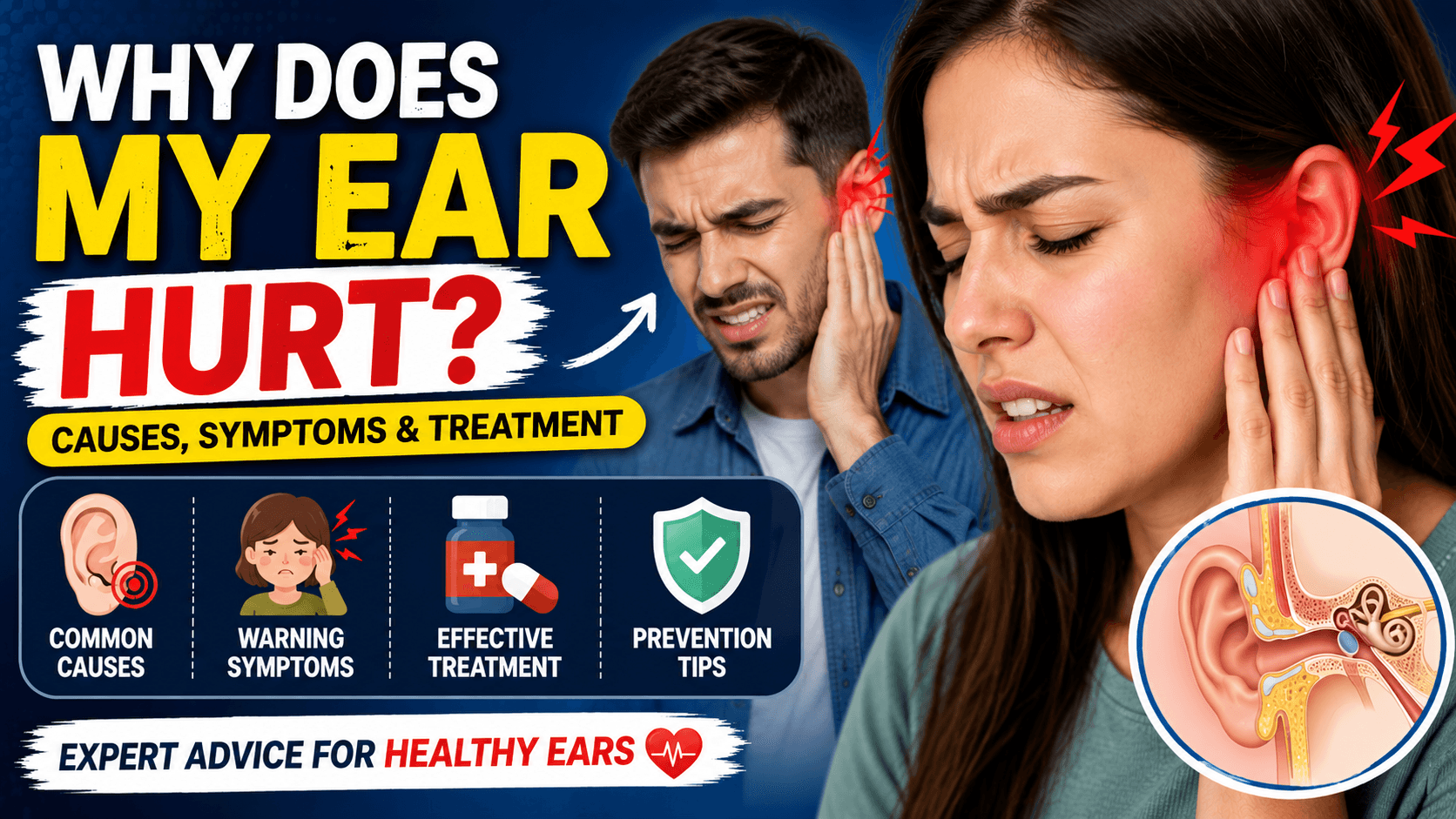
Common Causes of Ear Pain You Should Know
Ear Hurt?….,
Ear pain is a common problem that can affect people of all ages, from young children to older adults. The discomfort may be mild and temporary or severe enough to interfere with sleeping, eating, or daily activities. In some cases, ear pain starts suddenly, while in others it develops gradually over several days. Understanding the possible causes of ear pain is the first step toward finding the right treatment and preventing complications.
Several factors can lead to ear pain, with the following being among the most common causes:
- Ear Infection: One of the leading causes of ear pain is an infection in the middle or outer ear. Bacteria or viruses can cause inflammation, leading to swelling, pressure, and discomfort. Children are especially prone to ear infections because their Eustachian tubes are shorter and can become blocked more easily.
- Earwax Buildup: Earwax protects the ear by trapping dust and germs, but too much wax can block the ear canal. This blockage may cause pain, reduced hearing, ringing in the ear, or a feeling of fullness. Using cotton swabs or other objects to clean your ears can push earwax deeper into the ear canal, increasing the risk of blockage and making the condition worse.
- Swimmer’s Ear: Also called an outer ear infection, this condition occurs when water becomes trapped in the ear canal after swimming, bathing, or other water-related activities, creating an environment where bacteria or fungi can grow. The trapped moisture creates an ideal environment for bacteria to grow, causing pain, itching, redness, and sometimes drainage from the ear.
- Sinus or Throat Infections: Ear pain does not always originate in the ear itself. Infections affecting the sinuses, throat, or tonsils can cause pain that spreads to the ears because these areas share connected nerves and tissues.
- Air Pressure Changes: Activities such as flying, traveling through mountainous areas, or scuba diving can create pressure changes that affect the ears and may lead to temporary discomfort. This condition, called ear barotrauma, can cause temporary ear pain, popping sounds, a feeling of pressure, or muffled hearing until the air pressure inside the ear returns to normal.
- Jaw Problems (TMJ Disorders): The jaw joint is located close to the ear. Conditions affecting the temporomandibular joint (TMJ), teeth grinding, or jaw injuries can cause pain that feels like it is coming from the ear.
- Dental Problems: Tooth infections, cavities, impacted wisdom teeth, or gum disease can sometimes cause referred pain in the ear because of shared nerve pathways.
Certain factors can increase the risk of developing ear pain, including seasonal allergies, colds, frequent swimming, smoking or exposure to secondhand smoke, and weakened immunity. Young children, people with chronic sinus problems, and those who frequently travel by air may also experience ear discomfort more often.
Although many cases of ear pain improve within a few days, persistent or severe pain should not be ignored. If the pain lasts longer than two to three days, is accompanied by a high fever, hearing loss, swelling around the ear, dizziness, or fluid or blood draining from the ear, medical evaluation is important. Identifying the underlying cause early helps ensure proper treatment and reduces the risk of complications such as hearing problems or the spread of infection.
Ear Pain Symptoms: When Should You See a Doctor?
Ear pain can range from a mild ache to severe, sharp discomfort that affects your daily routine. While many cases of ear pain improve with rest and basic home care, certain symptoms may indicate a more serious condition that requires immediate medical evaluation and treatment. Recognizing the warning signs early can help you get timely treatment and reduce the risk of serious complications.
Common symptoms that may accompany ear pain include:
- Ear pain can range from a sharp or stabbing sensation to a dull, throbbing, or persistent ache, affecting either the inside of the ear or the surrounding area.
- A sensation of fullness, blockage, or increased pressure inside the ear.
- Temporary hearing loss or muffled hearing.
- Ringing in the ears (tinnitus).
- Itching or irritation inside the ear canal.
- Fluid, pus, or blood draining from the ear.
- Redness or swelling around the outer ear.
- Fever, especially in children with an ear infection.
- Dizziness or balance problems, which may indicate the inner ear is affected.
- Pain that worsens when chewing or moving the jaw may be associated with TMJ disorders or underlying dental problems.
Although mild ear pain often gets better within a day or two, certain symptoms should never be ignored. Seek medical advice from a healthcare professional if you experience any of the following symptoms:
- Ear pain that lasts longer than 48–72 hours.
- Severe or worsening pain despite home treatment.
- A high fever along with ear pain.
- Hearing loss that does not improve.
- Fluid, pus, or blood coming from the ear.
- Swelling behind the ear or an ear that appears to protrude more than normal may indicate a serious underlying condition.
- Persistent dizziness, nausea, or vomiting.
- Ear pain after a head injury or a loud explosion.
- A foreign object stuck inside the ear.
- Ear pain in infants younger than six months.
Children may not always be able to describe their symptoms clearly. Parents should watch for signs such as frequent crying, pulling or rubbing the ear, trouble sleeping, irritability, poor feeding, or difficulty responding to sounds. These behaviors may be signs of an ear infection or another ear condition that should be assessed by a healthcare professional.
Doctors usually diagnose the cause of ear pain by reviewing your symptoms, asking about recent illnesses, and examining the ear with an otoscope. In some situations, hearing tests, laboratory tests, or imaging studies may be recommended to identify the underlying condition.
Early diagnosis is important because untreated ear infections or other ear conditions can sometimes lead to complications, including chronic infections, damage to the eardrum, hearing problems, or the spread of infection to nearby tissues. Seeking medical care at the right time can help relieve pain, protect your hearing, and ensure a faster recovery.
How to Relieve Ear Pain at Home and Medical Treatment Options
The most effective way to treat ear pain depends on identifying and addressing its underlying cause. Mild ear pain resulting from pressure changes, a common cold, or minor irritation usually gets better with basic home treatment and proper self-care. However, if ear pain is caused by an infection, injury, or another underlying medical condition, professional medical treatment may be necessary. Knowing which remedies are safe and when to seek medical help can make recovery faster and reduce the risk of complications.
If your ear pain is mild, the following home care measures may help relieve your symptoms:
- Apply a warm compress: Place a warm, not hot, cloth against the affected ear for 10–15 minutes several times a day. This may help reduce pain and improve comfort.
- Take over-the-counter pain relievers: Medicines such as acetaminophen or ibuprofen can help relieve pain and reduce fever when used according to the product instructions or a healthcare provider’s advice.
- Stay hydrated: Drinking plenty of fluids and swallowing regularly may help open the Eustachian tubes, especially if ear pain is related to a cold or pressure changes.
- Keep your ear dry: If you have swimmer’s ear or an outer ear infection, prevent water from entering the ear during bathing or swimming until the infection has completely healed.
- Avoid inserting objects into the ear: Never use cotton swabs, hairpins, or other objects to remove earwax, as they can push wax deeper, damage the ear canal, or even puncture the eardrum.
- Rest and manage allergies: Getting enough rest and treating nasal allergies or congestion may reduce pressure in the ears and improve symptoms.
Medical treatment depends on the cause of the ear pain:
- Antibiotics: If a doctor confirms a bacterial ear infection, antibiotics may be prescribed. It is important to complete the full course, even if symptoms improve before the medication is finished.
- Prescription ear drops: Ear drops containing antibiotics, antifungal medicine, or anti-inflammatory medication may be recommended for certain outer ear infections or other ear conditions.
- Professional earwax removal: If excessive earwax is causing pain or hearing loss, a healthcare provider can safely remove the blockage using specialized tools or irrigation when appropriate.
- Treatment for related conditions: If ear pain is caused by sinus infections, dental problems, TMJ disorders, or throat infections, treating the underlying condition usually relieves the ear discomfort as well.
You should seek immediate medical care if ear pain is severe, follows a head injury, is accompanied by high fever, swelling behind the ear, sudden hearing loss, dizziness, or fluid or blood draining from the ear. These signs could indicate a more serious medical condition and should be evaluated by a healthcare professional as soon as possible.
Although many cases of ear pain improve within a few days, prevention is equally important. Keep your ears dry after swimming, avoid smoking and secondhand smoke, manage seasonal allergies, practice good hand hygiene to reduce infections, and never place objects inside the ear canal. These simple habits can help protect your ears and lower the risk of future ear problems.
If your symptoms do not improve with home care or continue to return, consult a healthcare professional for a proper diagnosis and personalized treatment plan. Early treatment not only relieves pain but also helps prevent long-term complications and protects your hearing health.
Conclusion
Ear pain can happen for many reasons, including ear infections, earwax buildup, swimmer’s ear, sinus problems, jaw disorders, or changes in air pressure. While mild ear pain often improves with simple home care, it is important to pay attention to warning signs such as severe pain, hearing loss, high fever, dizziness, or fluid draining from the ear. These symptoms may require prompt medical evaluation.
The right treatment depends on the underlying cause. Home remedies like a warm compress, keeping the ear dry, and using over-the-counter pain relievers may provide temporary relief, but some conditions require prescription medication or professional care. Avoid inserting objects into your ear, as this can worsen the problem and increase the risk of injury.
If your ear pain lasts more than a few days, keeps coming back, or becomes more severe, consult a healthcare professional for an accurate diagnosis and appropriate treatment. Early care can help relieve discomfort, prevent complications, and protect your hearing for the long term.
➤ Tap here to explore effective remedies for common health issues along with practical tips to keep your body strong and healthy.
https://hinditipsonline.com/category/health-tips/
➤ If you’d rather watch than read, just click the link below to enjoy the full video.
https://youtu.be/awWbvBTntOs?si=bZwepdIyDnHsTIQC