
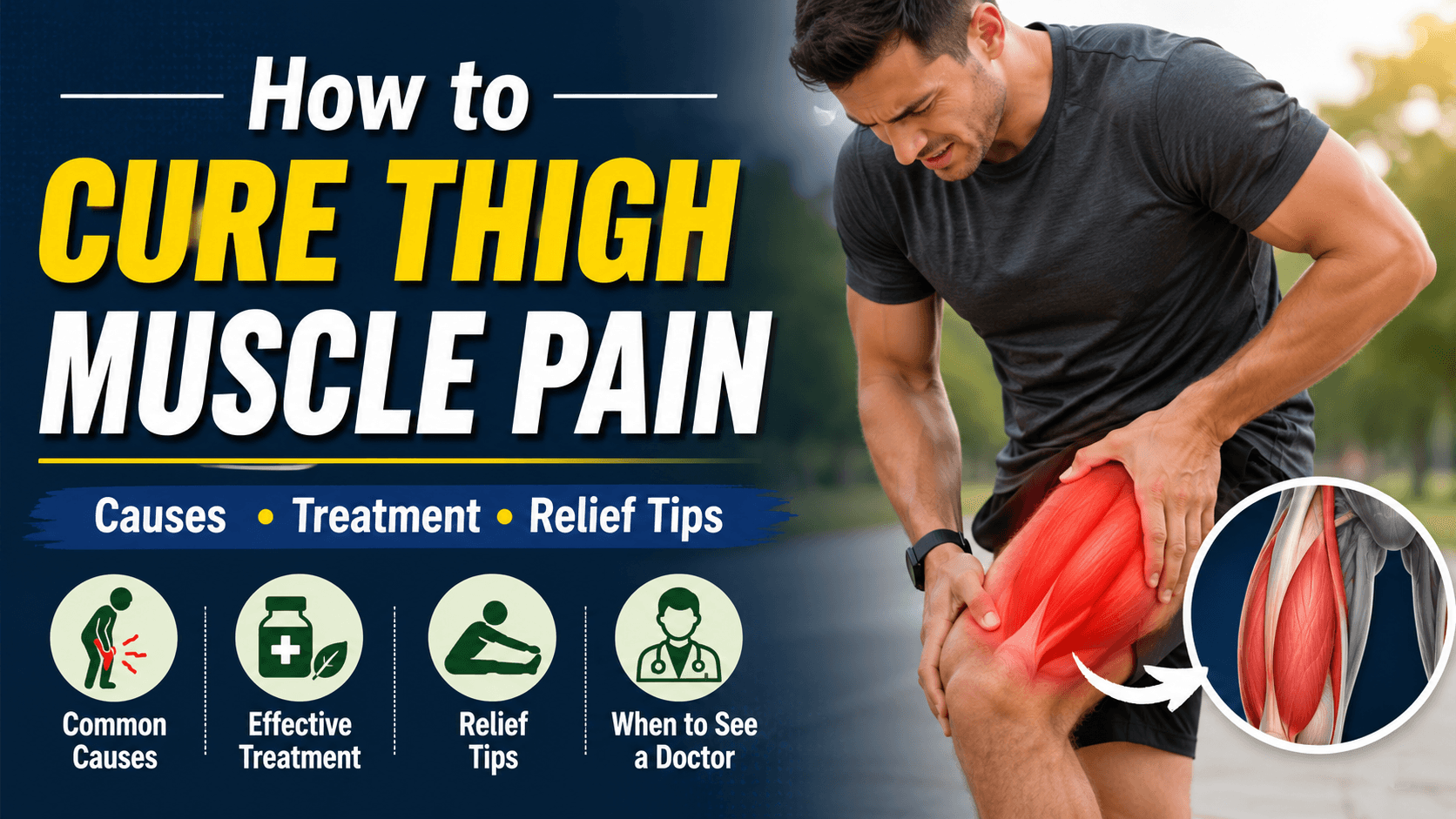
Causes of Thigh Muscle Pain
Thigh muscle pain is a common problem that can affect people of all ages. It may develop suddenly after physical activity or gradually due to overuse, poor posture, or an underlying medical condition. In most cases, the pain is temporary and improves with proper rest and care. However, understanding the cause of your thigh muscle pain is the first step toward choosing the right treatment and preventing future injuries.
Thigh muscle pain can result from a variety of conditions, and understanding the most common causes can help you identify the source of your discomfort.
- Muscle strain: One of the leading causes of thigh pain is a strained muscle. This often happens when the muscle is stretched beyond its limit during running, jumping, lifting heavy objects, or intense workouts. A muscle strain can cause pain, swelling, stiffness, and difficulty moving the leg.
- Overuse injuries: Repeating the same movements for long periods can put excessive stress on the thigh muscles. Athletes, runners, cyclists, and people with physically demanding jobs are more likely to experience overuse injuries, especially if they do not allow enough time for recovery.
- Poor warm-up or stretching: Exercising without warming up properly can increase the risk of muscle injuries. Tight muscles are less flexible and more likely to become strained during sudden movements or intense physical activity.
- Muscle cramps: Dehydration, low levels of minerals such as potassium, calcium, or magnesium, and muscle fatigue can all trigger painful thigh muscle cramps. These cramps usually come on suddenly and may last from a few seconds to several minutes.
- Direct injury or trauma: A fall, sports collision, or direct blow to the thigh can bruise the muscles and surrounding tissues. This often leads to pain, swelling, tenderness, and sometimes skin discoloration.
- Poor posture: Standing or sitting with poor posture for long periods can place unnecessary pressure on the thigh muscles. As time passes, this can lead to muscle stiffness, ongoing discomfort, and a noticeable decrease in flexibility.
- Nerve-related conditions: Thigh pain is not always caused by a muscle injury. In some cases, a compressed or irritated nerve in the lower back can send pain down into the thigh, often accompanied by tingling, numbness, or muscle weakness.
- Medical conditions: Certain health problems, including arthritis, circulation disorders, infections, or inflammatory conditions, can also contribute to thigh pain. Although these causes are less common, they should not be ignored if the pain is severe or persistent.
Several factors can increase your risk of developing thigh muscle pain, including inadequate hydration, poor nutrition, muscle weakness, lack of flexibility, sudden increases in physical activity, and skipping recovery days between workouts.
While mild thigh muscle pain often improves with rest and self-care, persistent or severe pain should be evaluated by a healthcare professional. Early diagnosis can help identify the exact cause and reduce the risk of long-term complications, allowing you to return to your normal daily activities safely.
Best Ways to Relieve Thigh Muscle Pain
Many cases of thigh muscle pain improve with basic home care, including simple self-care measures that help reduce discomfort and support the healing process. The right treatment depends on the cause and severity of the pain, but early care can reduce discomfort, speed up healing, and prevent the injury from becoming worse. If the pain is mild to moderate, following a few effective recovery tips can help you return to your normal routine more quickly.
The following methods are among the most effective ways to ease thigh muscle pain and support a faster recovery.
- Rest the affected leg: Avoid activities that increase pain, such as running, jumping, or heavy lifting. Giving the muscle enough time to recover is one of the most important steps in the healing process.
- Apply an ice pack: During the first 24 to 48 hours after an injury, place an ice pack on the painful area for 15–20 minutes several times a day. Ice helps reduce swelling, inflammation, and pain.
- Use heat therapy: After the initial swelling has gone down, a warm compress or heating pad can help relax tight muscles, improve blood circulation, and reduce stiffness.
- Try gentle stretching: Once the pain begins to improve, perform gentle stretching exercises to restore flexibility. Avoid overstretching, as it may delay healing or worsen the injury.
- Massage the muscles: A light massage can help reduce muscle tension and improve blood flow. Avoid applying deep massage if the affected muscle is extremely swollen or causing intense pain.
- Stay hydrated: Drinking enough water helps prevent dehydration, which is a common cause of muscle cramps. Proper hydration also supports muscle recovery.
- Eat a balanced diet: Foods rich in protein, calcium, magnesium, potassium, and vitamin D help repair muscle tissue and support healthy muscle function.
- Take over-the-counter pain relievers if needed: Non-prescription pain medications may help reduce pain and inflammation. Take all medications only as prescribed and never exceed the recommended dosage to ensure safe and effective treatment. If you have a pre-existing health condition or are taking prescription or over-the-counter medications on a regular basis, it’s important to speak with a healthcare provider before beginning any new treatment or remedy.
- Return to exercise gradually: Do not rush back into intense physical activity. Start with light exercises and slowly increase the intensity as your muscle becomes stronger and pain-free.
To reduce the risk of future thigh muscle pain, always warm up before exercising, stretch after workouts, wear supportive footwear, maintain a healthy body weight, and avoid sudden increases in training intensity. Strengthening your leg muscles through regular exercise can also improve flexibility and lower the chance of muscle strains.
Home remedies can be effective for relieving mild thigh muscle pain. However, if the pain is severe, lasts for several days, interferes with walking, or is accompanied by significant swelling or other unusual symptoms, it is important to seek medical advice from a qualified healthcare professional. bruising, numbness, fever, or muscle weakness. Prompt medical evaluation can identify serious injuries and ensure you receive the appropriate treatment for a safe recovery.
When Should You Seek Medical Care for Thigh Pain?
Thigh muscle pain is often caused by a minor strain, overuse, or muscle cramp and usually improves within a few days with rest and home care. However, not every case of thigh pain should be treated at home. Sometimes, persistent or severe pain may indicate a more serious injury or an underlying medical condition that requires professional medical attention. Recognizing the right time to seek medical care can reduce the risk of complications and help you recover more quickly with appropriate treatment.
You should seek medical advice if you notice any of the following warning signs:
- Severe pain that starts suddenly and makes it difficult to stand or walk.
- Pain that does not improve after several days of rest, ice, and home treatment.
- Significant swelling or bruising around the thigh after an injury.
- A popping or tearing sensation at the time of the injury, which may indicate a serious muscle or tendon tear.
- Difficulty moving the leg or inability to bear weight on the affected side.
- Numbness, tingling, or weakness in the thigh or leg, which could be related to nerve compression.
- Fever, redness, or warmth around the painful area, as these may be signs of an infection.
- Pain after a fall or accident, especially if you suspect a fracture or other serious injury.
During your medical visit, the doctor will ask about your symptoms, recent physical activities, and any injuries you may have experienced. They may also perform a physical examination to check muscle strength, flexibility, and the exact location of the pain.
If necessary, additional tests may be recommended, including:
- X-rays to rule out bone fractures.
- Ultrasound to evaluate muscle or tendon injuries.
- MRI scans for a detailed view of muscles, ligaments, and soft tissues.
- Blood tests may be recommended if your doctor suspects an infection, inflammation, or another underlying medical condition contributing to your thigh pain.
The right treatment depends on the specific cause of your pain, so identifying the underlying condition is essential for effective relief. Your doctor may recommend:
- Prescription medications to reduce pain and inflammation.
- Physical therapy to restore strength and flexibility.
- Compression or supportive braces during recovery.
- Temporary activity restrictions to allow proper healing.
- In rare cases, surgery for severe muscle or tendon tears.
Even after your symptoms improve, it is important to return to exercise gradually. Warming up before workouts, stretching regularly, staying hydrated, and strengthening your leg muscles can help reduce the risk of future injuries.
If thigh pain is accompanied by sudden swelling, severe tenderness, chest pain, or shortness of breath, seek emergency medical care immediately, as these symptoms could indicate a serious condition that requires urgent treatment. Receiving an early diagnosis and timely medical treatment can speed up the healing process while lowering the risk of long-term health complications.
Conclusion
Thigh muscle pain is a common condition that can affect anyone, whether you are an athlete, a fitness enthusiast, or simply carrying out daily activities. In many cases, the pain is caused by muscle strain, overuse, poor stretching, or minor injuries and can be managed successfully with proper rest, ice or heat therapy, gentle stretching, hydration, and a healthy diet. Understanding the underlying cause is essential because the right treatment depends on what is causing the pain.
Although many cases of thigh pain get better within a few days, ongoing or severe symptoms should not be ignored, as they may indicate a more serious underlying problem that requires medical attention. If the pain becomes worse, prevents you from walking, or is accompanied by swelling, numbness, fever, or significant bruising, you should seek medical attention as soon as possible. Getting an early diagnosis and starting the right treatment can help reduce the risk of complications and promote a quicker, more effective recovery.
By maintaining an active lifestyle, warming up before exercise, stretching regularly, staying hydrated, and avoiding overuse, you can reduce the risk of future thigh muscle injuries. Looking after your muscles today can help you stay active, move more comfortably, and enjoy a healthier life with less pain in the future.
➤ Tap here to explore effective remedies for common health issues along with practical tips to keep your body strong and healthy.
https://hinditipsonline.com/category/health-tips/
➤ If you’d rather watch than read, just click the link below to enjoy the full video.
https://youtu.be/m-I91kS9FjY?si=yZcFhIc2V6guUeIT
Frequently Asked Questions
Q1. What is the most common cause of thigh muscle pain?
A: The most common cause of thigh muscle pain is a muscle strain caused by overuse, intense exercise, sudden movements, or lifting heavy objects. Muscle cramps, dehydration, and direct injuries can also lead to thigh pain.
Q2. How can I relieve thigh muscle pain at home?
A: You can relieve mild thigh muscle pain by resting the affected leg, applying ice during the first 48 hours, using heat afterward, doing gentle stretching exercises, staying hydrated, and eating a balanced diet. Avoid strenuous activities until the pain improves.
Q3. How long does it take for a thigh muscle strain to heal?
A: A mild thigh muscle strain usually heals within 1 to 3 weeks, while moderate injuries may take 4 to 8 weeks. Severe muscle tears can require several months of recovery and may need physical therapy or other medical treatment.
Q4. When should I see a doctor for thigh muscle pain?
A: You should consult a doctor if the pain is severe, lasts longer than a few days, makes it difficult to walk, or is accompanied by swelling, bruising, numbness, weakness, fever, or pain after a serious injury.