
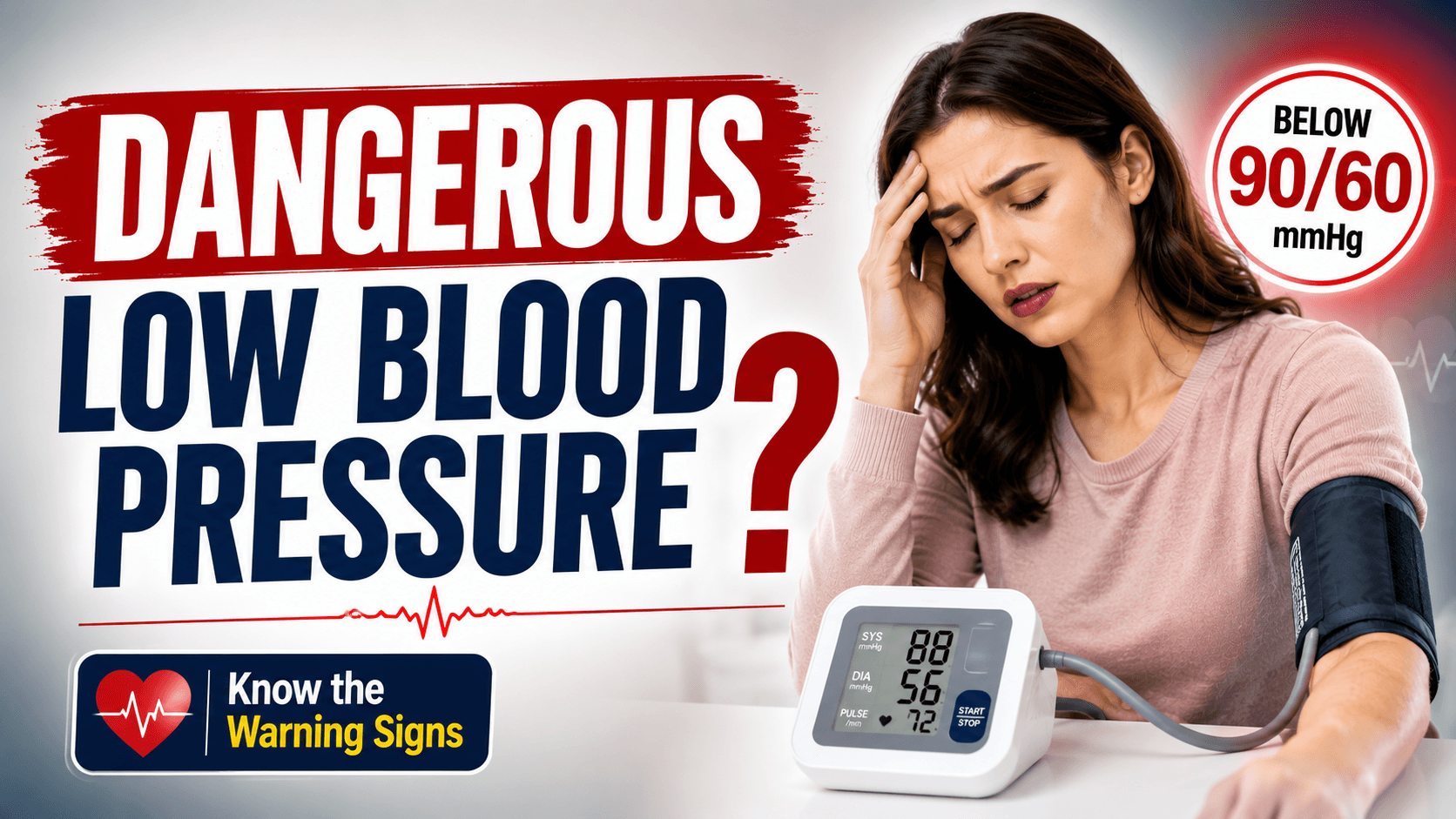
When Is Low Blood Pressure Dangerous for Women?
Low blood pressure, also known as hypotension, is not always a cause for concern. In fact, many women naturally have lower blood pressure and feel perfectly healthy. However, low blood pressure becomes dangerous when it reduces blood flow to vital organs such as the brain, heart, and kidneys, causing symptoms that interfere with normal body function. If left untreated, severely low blood pressure can lead to serious complications, including shock and organ damage.
In general, a blood pressure reading below 90/60 mmHg is considered low. While some women have no symptoms at this level, others may experience dizziness, fainting, weakness, or confusion. The severity depends not only on the blood pressure reading but also on how the body responds to the reduced blood flow.
When Is Low Blood Pressure Dangerous?
Low blood pressure becomes dangerous when it causes symptoms or prevents the body’s organs from receiving enough oxygen-rich blood. A rapid fall in blood pressure is generally more dangerous than chronically low blood pressure because the body does not have enough time to adjust, which can quickly reduce blood flow to vital organs. This rapid decrease can reduce blood flow to vital organs, increasing the risk of dizziness, fainting, shock, or other serious complications.
You should seek medical attention immediately if low blood pressure is accompanied by any of the following symptoms:
- Severe dizziness or lightheadedness
- Fainting or loss of consciousness
- Blurred or tunnel vision
- Confusion or difficulty concentrating
- Cold, pale, or clammy skin
- Rapid, weak, or irregular heartbeat
- Shortness of breath
- Extreme weakness or fatigue
- Chest pain
- Difficulty speaking or walking
These symptoms may indicate that your brain and other vital organs are not receiving enough blood. Immediate medical treatment is especially important if the symptoms appear suddenly or become worse over time.
Blood Pressure Levels and Their Meaning
Understanding blood pressure numbers can help women recognize when medical attention may be necessary.
| Blood Pressure Reading | Meaning |
|---|---|
| Around 120/80 mmHg | Normal blood pressure |
| Below 90/60 mmHg | Low blood pressure (Hypotension) |
| Below 80/50 mmHg | Potentially dangerous, especially with symptoms |
| Below 70/40 mmHg | Medical emergency requiring immediate treatment |
It is important to remember that blood pressure numbers alone do not always determine whether the condition is dangerous. Doctors also consider symptoms, age, pregnancy, medications, and underlying health conditions before deciding on the best treatment.
Common Causes of Dangerous Low Blood Pressure in Women
A wide range of medical conditions, medications, and lifestyle habits can lead to dangerously low blood pressure, making it important to identify the underlying cause as early as possible. Understanding these risk factors is important for preventing complications and choosing the right treatment. Recognizing the underlying cause is key to preventing serious complications and ensuring the most appropriate treatment is provided. Finding the underlying cause is essential for choosing the most effective treatment and preventing future episodes of dangerously low blood pressure.
Common causes include:
- Dehydration caused by vomiting, diarrhea, fever, or excessive sweating
- Heavy blood loss from injury or severe menstrual bleeding
- Pregnancy-related changes in blood circulation
- Heart conditions that reduce blood flow
- Severe infections such as sepsis
- Serious allergic reactions (anaphylaxis)
- Hormonal disorders, including adrenal insufficiency and thyroid disease
- Side effects of blood pressure, heart, or depression medications
- Poor nutrition and vitamin deficiencies
- Standing up too quickly (orthostatic hypotension)
Treating the underlying cause usually helps restore healthy blood pressure and prevents future episodes.
Who Is at Higher Risk?
Although anyone can develop low blood pressure, certain women are at a higher risk of experiencing severe hypotension.
Higher-risk groups include:
- Pregnant women
- Women over 65 years of age
- Women with diabetes
- Women with heart disease
- Women taking blood pressure medications
- Women with thyroid or adrenal disorders
- Individuals with chronic dehydration
- Women recovering from surgery or serious illness
Women in these groups should monitor their blood pressure regularly and consult their healthcare provider if they experience frequent dizziness or fainting.
How Is Dangerous Low Blood Pressure Diagnosed?
Doctors diagnose dangerous low blood pressure by evaluating both blood pressure readings and symptoms. They may also investigate possible underlying medical conditions.
Diagnostic tests may include:
- Blood pressure measurements taken at different times
- Blood tests
- Electrocardiogram (ECG)
- Echocardiogram
- Tilt-table test
- Urine tests
- Imaging scans if internal bleeding is suspected
These tests help identify whether low blood pressure is temporary, linked to medications, or the result of an underlying medical condition that requires treatment.
Treatment for Dangerous Low Blood Pressure
Treatment depends on the cause, severity, and overall health of the patient. Mild cases often improve with simple lifestyle changes, while severe cases require emergency medical care.
Doctors may recommend:
- Drinking more water to prevent dehydration
- Increasing salt intake only under medical supervision
- Wearing compression stockings
- Adjusting medications that lower blood pressure
- Treating infections or hormone disorders
- Receiving intravenous (IV) fluids for severe dehydration
- Using emergency medications to raise blood pressure during shock
Never increase your salt intake or stop taking prescribed medications without first consulting your healthcare provider.
Tips to Help Prevent Low Blood Pressure Episodes
Simple lifestyle changes can help many women reduce the risk of dangerous drops in blood pressure.
Helpful prevention tips include:
- Drink plenty of water every day.
- Stand up slowly after sitting or lying down.
- Avoid skipping meals.
- Eat smaller, balanced meals throughout the day.
- Limit alcohol consumption.
- Exercise regularly after medical approval.
- Avoid standing for long periods in hot weather.
- Follow your doctor’s medication instructions carefully.
These healthy habits may help maintain stable blood pressure and reduce dizziness, weakness, and fainting.
When Should You Seek Emergency Care?
Certain symptoms require immediate emergency care, as they may signal a dangerously low blood pressure level that could become life-threatening.
Seek emergency medical care immediately if you experience:
- Loss of consciousness
- Severe chest pain
- Difficulty breathing
- Signs of shock, such as cold, clammy skin, confusion, rapid breathing, or a weak pulse, require immediate medical attention.
- Persistent fainting
- Severe weakness that prevents standing
- Heavy bleeding accompanied by low blood pressure
Prompt medical treatment can prevent serious complications such as organ damage, heart failure, or shock.
Conclusion
Low blood pressure is not always dangerous, and many women naturally have readings below the average without experiencing any health problems. However, a blood pressure reading below 90/60 mmHg becomes a medical concern when it causes symptoms such as dizziness, fainting, confusion, chest pain, or difficulty breathing. Extremely low readings, particularly below 80/50 mmHg, may require urgent medical attention, especially if signs of shock are present. Monitoring your blood pressure, staying well hydrated, and seeking medical advice when symptoms occur can help prevent serious complications. If you experience repeated episodes of low blood pressure or sudden severe symptoms, consult a qualified healthcare professional for proper diagnosis and treatment.
Disclaimer: The content shared here is for educational and informational use only. It is not a substitute for professional medical advice, diagnosis, or treatment. If you have concerns about your blood pressure or overall well-being, seek guidance from a qualified healthcare professional for proper evaluation and care.
Frequently Asked Questions
Q1. What is considered dangerously low blood pressure for a woman?
A: A blood pressure reading below 90/60 mmHg is generally considered low. It becomes dangerous when it causes symptoms such as dizziness, fainting, confusion, chest pain, difficulty breathing, or signs of shock. Extremely low readings, such as 80/50 mmHg or lower, require immediate medical attention.
Q2. What are the symptoms of dangerous low blood pressure in women?
A: Common symptoms include severe dizziness, fainting, blurred vision, confusion, weakness, cold or clammy skin, rapid heartbeat, shortness of breath, and chest pain. If these symptoms occur suddenly or become severe, seek emergency medical care.
Q3. Can low blood pressure be life-threatening?
A: Yes. While mild low blood pressure is often harmless, severe hypotension can reduce blood flow to vital organs such as the brain, heart, and kidneys. Without prompt treatment, it may lead to shock, organ damage, or other life-threatening complications.
Q4. When should a woman see a doctor for low blood pressure?
A: A woman should consult a doctor if she experiences frequent dizziness, repeated fainting, persistent weakness, confusion, chest pain, or if her blood pressure remains below 90/60 mmHg with symptoms. Immediate emergency care is needed if signs of shock or loss of consciousness occur.
Q5. How can women prevent or manage low blood pressure?
A: Women can help manage low blood pressure by drinking plenty of water, eating balanced meals, standing up slowly, avoiding dehydration, limiting alcohol, following prescribed medications correctly, and consulting a healthcare provider if symptoms persist or worsen.