
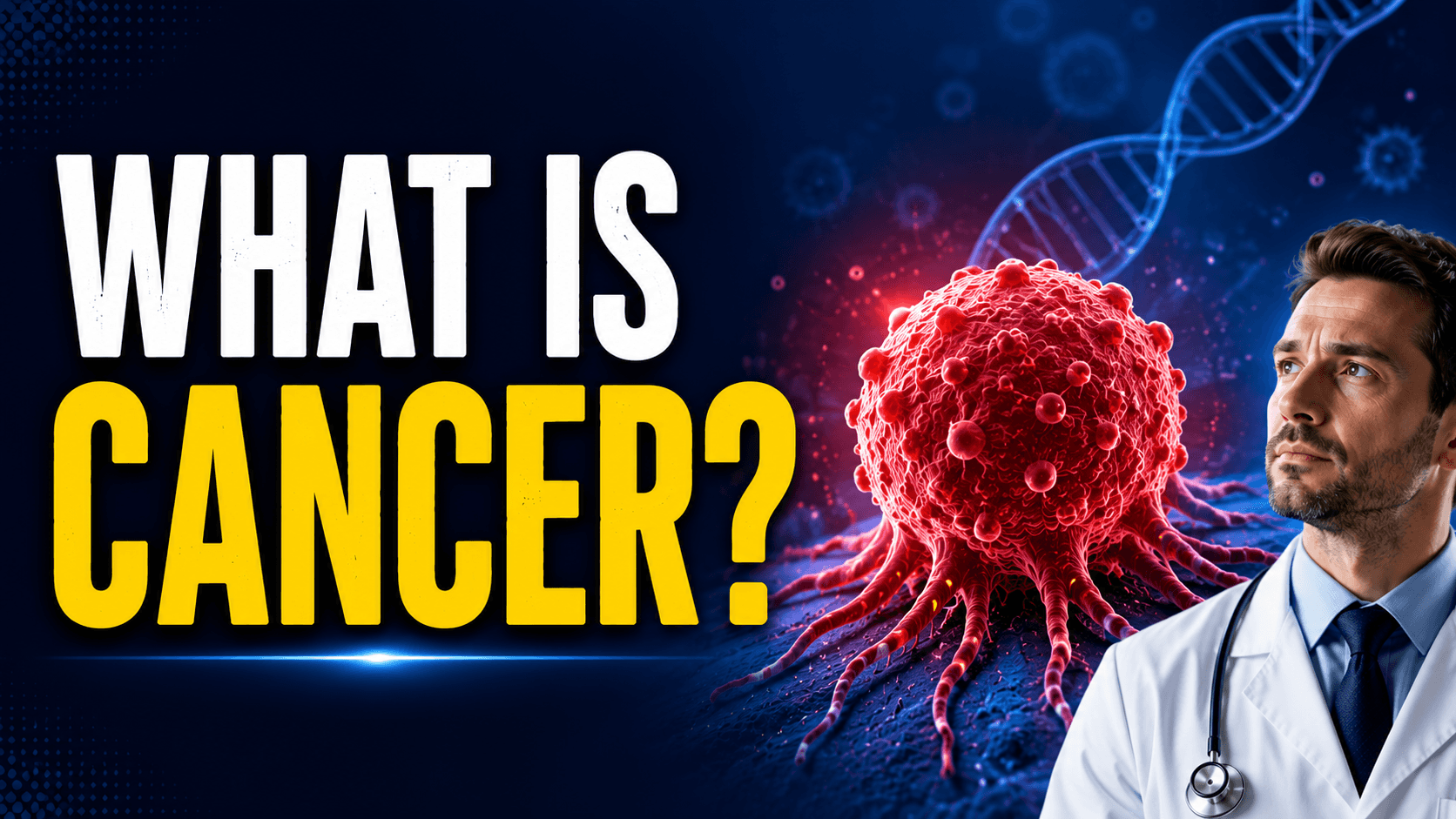
What Is Cancer? Meaning, Definition, and How It Starts
Cancer is a disease that develops when some of the body’s cells begin to grow uncontrollably instead of following their normal life cycle. In a healthy body, cells grow, divide, and die in an organized way. This natural process helps repair damaged tissues and keeps organs functioning properly. However, when certain genetic changes occur, some cells stop responding to the body’s normal control signals. These abnormal cells keep growing and form a mass called a tumor. Over time, the tumor may grow larger and interfere with the normal function of nearby organs and tissues.
Not every tumor is cancer. Tumors are generally divided into two main types:
- Benign tumors: These are non-cancerous growths that usually remain in one place and do not spread to other parts of the body.
- Malignant tumors: These are cancerous growths that can invade nearby tissues and spread to distant organs through the blood or lymphatic system.
Cancer can develop in almost any part of the human body because every organ contains cells that divide and renew themselves. Common examples include breast cancer, lung cancer, skin cancer, prostate cancer, colorectal cancer, and blood cancers such as leukemia. Each type of cancer behaves differently, but they all begin with abnormal cell growth.
How Does Cancer Start?
Cancer usually starts when a cell’s DNA becomes damaged. DNA acts as the instruction manual that tells cells when to grow, divide, and die. When these instructions change because of genetic mutations, cells may continue growing even when they should stop. Instead of dying naturally, the damaged cells survive and create more abnormal cells.
Several factors can cause these genetic changes, including:
- Smoking and tobacco use
- Too much exposure to the sun’s UV rays.
- Harmful chemicals and environmental pollution
- Certain viruses and infections
- Inherited genetic mutations
- Long-term inflammation
- Unhealthy habits like a poor diet and lack of physical activity.
In many cases, cancer develops gradually over several years. A person may not notice any symptoms during the early stages, which is why regular health checkups and screening tests are important for people at higher risk.
How Cancer Affects the Body
As cancer cells continue multiplying, they compete with healthy cells for nutrients and oxygen. They can damage nearby tissues, affect organs, and weaken the immune system. Cancer cells can travel through the blood or lymph system to other body parts. This spread is called metastasis, making cancer harder to treat.
The effects of cancer depend on several factors, including:
- The type of cancer
- Its location in the body
- How quickly it grows
- Whether it has spread to other organs
- The person’s overall health
Because every cancer is different, symptoms and treatment options also vary from one person to another.
Is Cancer Always Life-Threatening?
A diagnosis of cancer does not automatically mean that it cannot be treated. Thanks to advances in medical science, many cancers can be treated successfully, especially when they are detected early. Modern treatments such as surgery, chemotherapy, radiation therapy, targeted therapy, immunotherapy, and hormone therapy have significantly improved survival rates for many patients.
Early diagnosis plays a major role in successful treatment. Recognizing unusual symptoms, attending regular screenings when recommended, and seeking medical advice without delay can greatly improve the chances of effective treatment and recovery.
Understanding what cancer is and how it starts is the first step toward reducing fear and increasing awareness. By learning about the disease, people can make informed decisions about their health, adopt healthier lifestyle habits, and recognize the importance of early detection. Ongoing research, better treatments, and greater awareness are helping people live longer with cancer.
What Causes Cancer? Common Risk Factors and Triggers
Cancer does not have a single cause. Instead, it usually develops as a result of multiple factors that damage the DNA inside healthy cells over time. These changes, known as genetic mutations, can cause cells to grow and divide uncontrollably, eventually leading to cancer. While some risk factors are beyond a person’s control, many are linked to lifestyle choices and environmental exposure. Understanding these causes can help people make healthier decisions and reduce their overall risk.
Tobacco Use
Smoking and the use of other tobacco products are among the leading causes of cancer worldwide. Tobacco smoke contains thousands of chemicals, many of which are known to damage DNA. Smoking is strongly associated with lung cancer, but it can also increase the risk of cancers of the mouth, throat, esophagus, pancreas, bladder, kidney, and several other organs.
Even people who do not smoke can be affected by secondhand smoke, which also contains harmful cancer-causing substances.
Unhealthy Diet and Physical Inactivity
A poor diet that is high in processed foods, sugary drinks, unhealthy fats, and red or processed meats may contribute to an increased cancer risk. On the other hand, diets rich in fruits, vegetables, whole grains, and lean proteins provide nutrients and antioxidants that help protect cells from damage.
Lack of regular physical activity and excess body weight can also increase the risk of several cancers, including breast, colorectal, and endometrial cancer.
Excessive Sun Exposure
Too much exposure to ultraviolet (UV) radiation from the sun or tanning beds can damage skin cells and increase the risk of skin cancer. Spending long periods in direct sunlight without sunscreen or protective clothing raises this risk significantly.
Simple protective measures include:
- Applying broad-spectrum sunscreen.
- Wearing protective clothing, sunglasses, and a wide-brimmed hat.
- Avoiding intense sunlight during peak daytime hours.
Genetic and Family History
Some cancers are linked to inherited genetic mutations passed from parents to their children. Having a family history of cancer does not guarantee that a person will develop the disease, but it may increase the risk. People with a strong family history may benefit from genetic counseling and regular medical screenings to detect cancer at an early stage.
Infections and Environmental Factors
Certain viruses, bacteria, and parasites can increase the likelihood of developing cancer. For example, persistent infection with human papillomavirus (HPV) can increase the risk of cervical and several other cancers, while chronic hepatitis B and hepatitis C infections are linked to liver cancer.
Environmental exposure to harmful substances may also contribute to cancer risk. These include:
- Air pollution.
- Asbestos.
- Industrial chemicals.
- Radiation.
- Long-term exposure to certain toxic substances in the workplace.
Aging and Lifestyle Choices
The risk of cancer generally increases with age because DNA damage can accumulate over many years. However, cancer is not an inevitable part of aging. Daily lifestyle habits play an important role in determining overall risk.
Healthy habits that may help lower the risk include:
- Avoiding tobacco products.
- Limiting alcohol consumption.
- Eating a balanced and nutritious diet.
- Exercising regularly.
- Maintaining a healthy body weight.
- Getting recommended vaccinations, such as the HPV and hepatitis B vaccines.
- Participating in age-appropriate cancer screening programs.
Although it is impossible to prevent every case of cancer, understanding the most common risk factors allows people to take practical steps to protect their health. Healthy lifestyle changes and regular checkups can reduce cancer risk and support better health.
Types of Cancer: The Most Common Forms Explained
Cancer is not a single disease. It is a group of more than 100 different diseases that can develop in almost any part of the body. Each type of cancer begins in a specific group of cells and behaves differently. Some cancers grow slowly, while others spread quickly if they are not diagnosed and treated early. Understanding the most common types of cancer can help people recognize potential risks, understand symptoms, and appreciate the importance of regular health screenings.
Breast Cancer
Breast cancer is common, mainly in women, but men can also get it. It usually starts in the breast’s milk ducts or lobules. Common signs include a breast lump, changes in breast shape, skin dimpling, nipple discharge, or lasting breast pain. Regular breast self-examinations, clinical checkups, and mammograms can help detect breast cancer at an early stage, when treatment is often more successful.
Lung Cancer
Lung cancer begins in the lungs and is a major cause of cancer-related deaths. Smoking remains the biggest risk factor, but non-smokers can also develop lung cancer due to secondhand smoke, air pollution, or genetic factors. Symptoms may include:
- A persistent cough that does not improve.
- Chest pain.
- Shortness of breath.
- Coughing up blood.
- Unexplained weight loss.
Early diagnosis and timely treatment can improve outcomes.
Colorectal Cancer
Colorectal cancer affects the colon or rectum and often starts from small polyps. These polyps may become cancerous over time if they are not removed. People over the age of 45 or those with a family history of colorectal cancer should discuss screening with their healthcare provider. Common symptoms include changes in bowel habits, blood in the stool, stomach pain, and unexplained tiredness.
Prostate Cancer
Prostate cancer is one of the most common cancers in men.
It develops in the prostate gland, which produces fluid that nourishes sperm. In its early stages, prostate cancer may not cause noticeable symptoms. Advanced prostate cancer may cause trouble urinating, weak urine flow, blood in the urine, or pelvic pain. Regular screening helps detect it early, especially in high-risk men.
Skin Cancer
Skin cancer develops when abnormal skin cells grow uncontrollably, often from too much UV exposure.The main types are basal cell carcinoma, squamous cell carcinoma, and melanoma, with melanoma being the most serious. Warning signs include:
- A new mole or skin growth.
- Changes in the size, color, or shape of an existing mole.
- A sore that does not heal.
- Itching or bleeding skin lesions.
Protecting the skin from excessive sunlight and monitoring changes in moles are important preventive measures.
Blood Cancers
Blood cancers affect the blood, bone marrow, or lymphatic system instead of forming solid tumors. Common types include leukemia, lymphoma, and multiple myeloma. These cancers interfere with the body’s ability to produce healthy blood cells and fight infections. Symptoms include frequent infections, easy bruising, ongoing fatigue, swollen lymph nodes, and night sweats. Diagnosis often requires blood tests, bone marrow examination, and specialized laboratory investigations.
Other Common Types of Cancer
Many other cancers can also affect different organs and tissues, including:
- Liver cancer.
- Pancreatic cancer.
- Stomach cancer.
- Ovarian cancer.
- Cervical cancer.
- Kidney cancer.
- Thyroid cancer.
- Brain cancer.
Each type has its own risk factors, symptoms, and treatment options. Some cancers are strongly linked to lifestyle factors such as smoking and obesity, while others may be influenced by genetics, infections, or environmental exposures.
Every cancer is different, but early detection can save lives. Learning about the different forms of cancer, recognizing unusual symptoms, and participating in recommended screening programs can lead to earlier diagnosis and more effective treatment. Greater awareness helps people make informed health choices, improve survival, and lower their cancer risk.
What Are the Early Signs and Symptoms of Cancer?
Cancer often develops silently, especially during its early stages. Many people do not notice any symptoms until the disease has progressed, which is why understanding the early warning signs is so important. While the symptoms can vary depending on the type and location of the cancer, there are several common signs that should never be ignored. These symptoms do not always mean a person has cancer, as they can also be caused by other medical conditions. However, if any symptom persists for several weeks or becomes worse over time, it is important to consult a healthcare professional for proper evaluation.
Unexplained Weight Loss
One of the earliest warning signs of several types of cancer is losing weight without trying. Unexplained weight loss may be a sign that cancer is changing how the body uses energy.
This symptom is commonly associated with:
- Pancreatic cancer
- Stomach cancer
- Lung cancer
- Esophageal cancer
Unexplained weight loss isn’t always cancer, but it should be checked by a doctor.
Persistent Fatigue
Feeling tired after a busy day is normal, but persistent fatigue that does not improve with rest can sometimes be an early symptom of cancer. Cancer-related fatigue is often more severe than ordinary tiredness and may interfere with daily activities.
Fatigue can occur because cancer affects the body’s metabolism, causes internal bleeding, or weakens the immune system. It is frequently seen in blood cancers such as leukemia and lymphoma, but it can also occur with many other types of cancer.
Pain That Does Not Go Away
Persistent pain without an obvious cause should never be ignored. While pain is often associated with advanced cancer, some cancers may cause discomfort during their early stages.
Examples include:
- Persistent headaches that do not improve.
- Bone pain that continues for weeks.
- Ongoing abdominal pain.
- Chest pain without a clear explanation.
Pain lasting for an extended period should always be evaluated by a healthcare provider.
Changes in the Skin
The skin can sometimes reveal important clues about underlying health problems, including cancer. Certain skin changes may indicate skin cancer or even cancers affecting internal organs.
Watch for signs such as:
- A changing mole in size, color, or shape.
- A sore that does not heal.
- Yellowing of the skin or eyes (jaundice).
- Persistent itching.
- Unusual darkening or redness of the skin.
Regular skin checks can help find suspicious changes early.
Unusual Bleeding or Lumps
Unexpected bleeding is another symptom that should not be ignored. Depending on the location of the cancer, bleeding may occur in different ways.
Examples include:
- Blood in the urine.
- Blood in the stool.
- Persistent coughing up blood.
- Unusual vaginal bleeding.
- Bleeding that occurs without an obvious injury.
Similarly, finding a lump or thickened area anywhere in the body—especially in the breast, neck, armpit, or testicles—should be examined by a medical professional as soon as possible.
Persistent Digestive or Breathing Problems
Some cancers affect the digestive or respiratory systems and may cause symptoms that continue despite treatment.
These may include:
- Difficulty swallowing.
- Persistent indigestion.
- Long-lasting heartburn.
- Chronic cough.
- Hoarseness lasting more than a few weeks.
- Shortness of breath.
Although these symptoms often result from non-cancerous conditions, persistent problems deserve medical attention.
Changes in Bowel or Bladder Habits
Noticeable changes in bowel or bladder function may also be early warning signs of certain cancers.
Examples include:
- Constipation or diarrhea lasting several weeks.
- Blood in the stool.
- Frequent urination.
- Pain during urination.
- Difficulty emptying the bladder completely.
These symptoms can be associated with colorectal, bladder, or prostate cancer and should not be ignored if they continue.
When Should You See a Doctor?
Many people delay seeking medical advice because they assume their symptoms are minor or temporary. Early diagnosis improves treatment success. You should see a doctor if you have:
- Symptoms lasting longer than two to three weeks.
- Unexplained weight loss.
- A new lump or swelling.
- Persistent pain.
- Unusual bleeding.
- Continuous fatigue.
- Changes in moles or skin that worsen over time.
Recognizing the early signs and symptoms of cancer does not mean assuming the worst. In many cases, these symptoms are caused by conditions other than cancer. However, paying attention to persistent changes in your body and seeking timely medical care can lead to earlier diagnosis, more effective treatment, and better long-term health outcomes.
How Does Cancer Spread in the Body?
Cancer usually begins in one specific part of the body, but in some cases, it does not remain confined to its original location. As the disease progresses, cancer cells can break away from the primary tumor and travel to other organs or tissues. This process is known as metastasis, and it is one of the main reasons why advanced cancer becomes more difficult to treat. However, not every cancer spreads, and the speed at which it does varies depending on the type of cancer, its stage, and a person’s overall health.
The Process of Cancer Spread
Cancer spreads through a series of steps rather than all at once. First, abnormal cells multiply and form a tumor. As the tumor grows, cancer cells can break away and spread into nearby healthy tissues. These cells can then enter the bloodstream or the lymphatic system, allowing them to travel to distant parts of the body.
The spread of cancer generally follows this pattern:
- Cancer begins in one organ or tissue.
- The tumor grows and invades nearby healthy cells.
- Some cancer cells enter the blood or lymphatic vessels.
- These cells travel to another part of the body.
- They settle in a new organ and begin forming another tumor.
Even after spreading, the cancer is still named after the organ where it originally started. For example, if breast cancer spreads to the bones, it is called metastatic breast cancer, not bone cancer.
Common Places Where Cancer Spreads
Different types of cancer are more likely to spread to certain areas of the body. Although this is not always the case, doctors often observe certain patterns.
Some common examples include:
- Breast cancer may metastasize to other parts of the body, including the bones, liver, lungs, and brain.
- Lung cancer often spreads to the brain, liver, bones, or adrenal glands.
- Prostate cancer commonly spreads to the bones.
- Colorectal cancer frequently spreads to the liver or lungs.
- Melanoma can spread to the lymph nodes, lungs, liver, or brain.
Knowing these patterns helps doctors decide which imaging tests or scans may be needed during diagnosis and follow-up care.
Factors That Influence Cancer Spread
Not every cancer behaves the same way. Several factors can affect how cancer spreads, including:
- The type of cancer.
- The size and location of the original tumor.
- How aggressive the cancer cells are.
- Whether the cancer is detected early.
- The person’s immune system and overall health.
- How well the cancer responds to treatment.
Early-stage cancers are generally easier to treat because they are less likely to have spread beyond their original location.
Can Cancer Spread Be Prevented?
Once cancer has developed, there is no guaranteed way to stop it from spreading without medical treatment. However, early diagnosis and timely treatment greatly reduce the risk of metastasis. Depending on the type and stage of cancer, doctors may recommend surgery, chemotherapy, radiation therapy, targeted therapy, immunotherapy, or a combination of treatments to destroy cancer cells before they spread further.
Regular follow-up appointments are also important because they help doctors monitor the effectiveness of treatment and detect any signs of recurrence or spread at an early stage.
Understanding how cancer spreads highlights the importance of recognizing symptoms early, attending recommended screening tests, and seeking prompt medical care. The earlier cancer is diagnosed and treated, the greater the chances of preventing metastasis and achieving successful long-term outcomes.
How Is Cancer Diagnosed? Tests and Screening Methods
Diagnosing cancer accurately is one of the most important steps in planning effective treatment. Because many cancers do not cause noticeable symptoms in their early stages, doctors often rely on a combination of physical examinations, medical history, laboratory tests, imaging scans, and tissue analysis to confirm the diagnosis. No single test can detect every type of cancer, so the choice of diagnostic method depends on the person’s symptoms, age, medical history, and the suspected type of cancer.
Medical History and Physical Examination
The diagnostic process usually begins with a detailed discussion about a person’s symptoms, lifestyle, family history, and any previous medical conditions. The doctor may also perform a physical examination to check for unusual lumps, swollen lymph nodes, skin changes, or signs of organ enlargement.
During this stage, the doctor may ask questions such as:
- How long have the symptoms been present?
- Have the symptoms become worse over time?
- Is there a family history of cancer?
- Do you smoke or consume alcohol?
- Have you experienced unexplained weight loss or persistent fatigue?
This information helps determine which diagnostic tests are needed next.
Blood Tests
Although blood tests cannot confirm most types of cancer on their own, they can reveal important health indicators and identify unusual findings that may need additional testing.
Blood tests may help doctors:
- Measure the number of red and white blood cells.
- Evaluate liver and kidney function.
- Detect signs of infection or inflammation.
- Monitor certain tumor markers associated with specific cancers.
- Assess how well the body may tolerate treatment.
In blood cancers such as leukemia, blood tests can play a much more direct role in diagnosis.
Imaging Tests
Imaging scans allow doctors to look inside the body and identify abnormal growths or tumors. The choice of imaging test depends on where the cancer is suspected to be located in the body.
Common imaging tests include:
- X-rays to examine bones and the lungs.
- Ultrasound to evaluate soft tissues and internal organs.
- CT (Computed Tomography) Scan to create detailed cross-sectional images.
- MRI (Magnetic Resonance Imaging) for high-resolution images of organs and soft tissues.
- A PET scan helps detect areas of unusually high metabolic activity, which may be a sign of cancer.
These scans also help determine the size of the tumor and whether the disease has spread to nearby tissues or distant organs.
Biopsy: The Most Reliable Test
A biopsy is considered the gold standard for confirming a cancer diagnosis. In this procedure, a small tissue sample is collected from the affected area and examined under a microscope by a pathologist to determine whether cancer cells are present.
A biopsy helps determine:
- Whether the growth is cancerous or non-cancerous.
- The exact type of cancer.
- How aggressive the cancer appears to be.
- Important characteristics that help guide treatment decisions.
Without a biopsy, it is often impossible to confirm many types of cancer with complete certainty.
Cancer Screening Tests
Some cancers can be detected before symptoms appear through regular screening. Screening is especially important for people who are at higher risk because of age, family history, or other risk factors.
Common screening methods include:
- Mammography for breast cancer.
- Pap test and HPV test for cervical cancer.
- Colonoscopy for colorectal cancer.
- A low-dose CT scan is recommended to help detect lung cancer early in people who are at high risk of developing the disease.
- PSA blood test for selected men at risk of prostate cancer.
These screening tests can detect abnormalities at an early stage, making treatment more effective and improving the chances of a successful recovery.
Why Early Diagnosis Matters
Detecting cancer early provides doctors with more treatment choices and greatly increases the likelihood of successful results. If you notice persistent symptoms such as unexplained weight loss, unusual bleeding, a lump, chronic pain, or long-lasting fatigue, do not ignore them. Seeking medical advice promptly can lead to earlier diagnosis and better treatment results.
Modern diagnostic technologies continue to improve every year, making it possible to detect many cancers at an earlier stage than ever before. Combined with regular health checkups and recommended screening programs, these advances are helping save countless lives around the world.
Cancer Treatment Options: Surgery, Chemotherapy, Radiation, and More
Cancer treatment has advanced significantly over the past few decades, giving patients more options than ever before. The right treatment depends on several factors, including the type of cancer, its stage, the location of the tumor, whether it has spread to other parts of the body, and the patient’s overall health. In many cases, doctors combine two or more treatment methods to achieve the best possible outcome. The primary goal of cancer treatment is to remove or destroy cancer cells while preserving as much healthy tissue as possible.
Surgery
Surgery is one of the oldest and most effective treatments for many types of cancer, especially when the disease is detected early and remains confined to one area. During surgery, the surgeon removes the tumor along with a margin of healthy tissue to reduce the chance of cancer returning.
Surgery may be recommended to:
- Remove the entire tumor.
- Reduce the size of a large tumor before other treatments.
- Relieve symptoms caused by advanced cancer.
- Confirm a diagnosis through tissue removal.
Recovery after surgery varies based on the type of procedure, the size of the tumor, and the patient’s overall health condition. Many patients recover well with proper follow-up care and rehabilitation.
Chemotherapy
Chemotherapy involves using strong medications to kill fast-growing cancer cells throughout the body. It is often used when cancer has spread beyond its original location or when there is a high risk of recurrence after surgery.
Chemotherapy can be given:
- Through an intravenous (IV) infusion.
- As tablets or capsules.
- By injection.
- In combination with other cancer treatments.
While chemotherapy is highly effective against many cancers, it may also affect healthy fast-growing cells, leading to temporary side effects such as:
- Hair loss.
- Nausea and vomiting.
- Fatigue.
- Mouth sores.
- Increased risk of infection.
Modern supportive medications help manage many of these side effects, allowing patients to complete treatment more comfortably.
Radiation Therapy
Radiation therapy uses high-energy radiation to damage the DNA of cancer cells, stopping them from growing and multiplying. It is commonly used to treat localized cancers or to shrink tumors before surgery.
Radiation therapy may be used to:
- Destroy remaining cancer cells after surgery.
- Reduce pain caused by advanced cancer.
- Shrink tumors before an operation.
- Treat cancers that cannot be removed surgically.
Treatment is carefully planned to target cancer cells while minimizing damage to surrounding healthy tissues.
Targeted Therapy and Immunotherapy
Newer treatment approaches have transformed cancer care for many patients.
Targeted therapy focuses on specific molecules or genetic changes that help cancer cells grow. Because it attacks particular targets rather than all rapidly dividing cells, it may cause fewer side effects than traditional chemotherapy.
Immunotherapy works by strengthening the body’s immune system so it can recognize and destroy cancer cells more effectively. It has shown remarkable success in treating certain cancers such as melanoma, lung cancer, and kidney cancer, although not every patient is eligible for this treatment.
Hormone Therapy and Stem Cell Transplant
Some cancers rely on hormones to grow. Hormone therapy blocks or lowers these hormones, making it an effective treatment for certain breast and prostate cancers.
For some blood cancers, such as leukemia, lymphoma, and multiple myeloma, doctors may recommend a stem cell transplant. This procedure replaces damaged bone marrow with healthy stem cells after high-dose chemotherapy or radiation therapy.
Managing Side Effects and Supporting Recovery
Cancer treatment affects each person differently. Some patients experience only mild side effects, while others require additional medical support during therapy.
Helpful ways to support recovery include:
- Eating a balanced and nutritious diet.
- Staying physically active as recommended by the healthcare team.
- Getting adequate sleep and rest.
- Drinking enough water to stay hydrated.
- Attending all follow-up appointments.
- Seeking emotional support from family, friends, or support groups.
Doctors also prescribe medications to control pain, nausea, fatigue, and other treatment-related symptoms, helping improve quality of life during recovery.
Choosing the Right Treatment Plan
Every cancer diagnosis is unique, which means there is no single treatment that works for everyone. A team of specialists—including oncologists, surgeons, radiologists, pathologists, and other healthcare professionals—works together to develop a personalized treatment plan based on the patient’s individual needs.
With continuous advances in medical research, cancer treatments are becoming more precise, effective, and less invasive. Early diagnosis, timely treatment, and regular follow-up care greatly improve the chances of successful outcomes. By understanding the available treatment options, patients and their families can make informed decisions and work closely with their healthcare team to achieve the best possible results.
Can Cancer Be Prevented? Healthy Habits That Reduce Your Risk
Although there is no guaranteed way to prevent every type of cancer, research shows that many cases are linked to lifestyle and environmental factors that can be changed. By adopting healthy habits and reducing exposure to known risk factors, people can significantly lower their chances of developing certain cancers. Preventing cancer is not about removing every risk but about making healthy lifestyle choices that promote long-term well-being. Even small improvements in daily habits can have a positive impact over time.
Avoid Tobacco in All Forms
Tobacco use is among the most common preventable risk factors for developing cancer. Smoking cigarettes, cigars, or pipes, as well as using smokeless tobacco products, increases the risk of many cancers, including lung, mouth, throat, esophageal, bladder, kidney, and pancreatic cancer.
To reduce your risk:
- Quit smoking if you currently use tobacco.
- Avoid exposure to secondhand smoke.
- Seek professional support or smoking cessation programs if needed.
The body begins repairing itself soon after quitting, and the risk of several cancers decreases over time.
Eat a Healthy and Balanced Diet
Eating a balanced, nutritious diet strengthens the immune system and helps protect the body’s cells from damage. While no single food can prevent cancer, eating a variety of nutrient-rich foods contributes to better overall health.
Focus on including:
- Fresh fruits and vegetables.
- Whole grains.
- Lean proteins such as fish, poultry, and legumes.
- Healthy fats from nuts, seeds, and olive oil.
At the same time, try to limit:
- Processed meats.
- Sugary beverages.
- Highly processed snacks.
- Excessive amounts of red meat.
Following a healthy diet can also reduce the risk of obesity, a condition associated with several types of cancer.
Stay Physically Active and Maintain a Healthy Weight
Regular exercise benefits almost every system in the body and may reduce the risk of cancers such as breast, colorectal, and endometrial cancer. Physical activity also helps regulate hormones, improve immune function, and maintain a healthy body weight.
Simple ways to stay active include:
- Walking regularly.
- Cycling.
- Swimming.
- Strength training.
- Participating in sports or recreational activities.
Even moderate physical activity performed consistently can provide meaningful health benefits.
Protect Your Skin and Prevent Infections
Too much exposure to ultraviolet (UV) rays can raise the risk of developing skin cancer. Protecting your skin from harmful UV radiation is an essential step in reducing this risk.
Helpful measures include:
- Applying sunscreen with adequate SPF.
- Wearing protective clothing and sunglasses.
- Avoiding prolonged sun exposure during peak hours.
- Refraining from using tanning beds.
Certain infections are also linked to cancer. Vaccinations can reduce this risk. For example:
- The HPV vaccine helps prevent several cancers, including cervical cancer.
- The hepatitis B vaccine helps reduce the risk of developing liver cancer.
Practicing safe hygiene and receiving recommended vaccinations are valuable preventive steps.
Limit Alcohol and Avoid Harmful Chemicals
Excessive alcohol consumption has been linked to cancers of the mouth, throat, liver, breast, and colon. Limiting or avoiding alcohol can reduce these risks.
In addition, prolonged exposure to hazardous chemicals, asbestos, industrial pollutants, and unnecessary radiation should be minimized whenever possible. Following workplace safety guidelines and using appropriate protective equipment can help reduce exposure.
Attend Regular Health Checkups and Screening
Early detection is one of the most effective ways to improve cancer outcomes and reduce its overall impact. Screening tests can identify certain cancers before symptoms develop, allowing treatment to begin at an earlier and often more successful stage.
Based on a person’s age, family history, and overall risk factors, doctors may recommend the following screening tests or preventive measures:
- Mammograms for breast cancer.
- Colonoscopy for colorectal cancer.
- Pap and HPV tests for cervical cancer.
- Low-dose CT scans may be recommended for individuals who have a high risk of developing lung cancer.
- Other screening tests based on personal medical history.
Routine medical checkups also provide an opportunity to discuss unusual symptoms and receive professional guidance.
Healthy Choices Can Make a Difference
Cancer prevention is a lifelong commitment rather than a one-time action. While you cannot change factors such as your age or genetic makeup, adopting healthy daily habits can play a significant role in reducing your risk of cancer. Avoiding tobacco, eating a balanced diet, staying physically active, maintaining a healthy weight, protecting your skin, limiting alcohol, getting vaccinated, and participating in recommended screening programs all contribute to lowering cancer risk.
Although these habits cannot guarantee complete protection, they improve overall health and reduce the likelihood of many serious diseases, including several common types of cancer. Making healthy choices and taking preventive measures today can improve your future well-being and increase the likelihood of living a longer, healthier, and more active life.
Living With Cancer: Recovery, Survival, and Long-Term Care
A cancer diagnosis can change many aspects of a person’s life, but it does not mean that life comes to a stop. Thanks to advances in medical treatment and supportive care, millions of people around the world continue to live active and meaningful lives during and after cancer treatment. Recovery is often a gradual process that involves healing physically, emotionally, and mentally. The journey is different for every individual, depending on the type of cancer, the treatment received, and overall health.
Recovery After Cancer Treatment
Finishing cancer treatment is an important milestone, but recovery may continue for months or even years. Some people regain their strength quickly, while others need more time to recover from the effects of surgery, chemotherapy, radiation therapy, or other treatments.
During recovery, patients should focus on:
- Eating a balanced and nutritious diet.
- Staying physically active according to medical advice.
- Getting enough sleep and rest.
- Drinking plenty of water.
- Taking medications exactly as prescribed.
- Informing their healthcare provider about any new or unusual symptoms as soon as they appear.
Following these healthy habits can help restore energy, improve physical strength, and support the body’s healing process.
Emotional Health and Mental Well-Being
Living with cancer often affects emotional health as much as physical health. Feelings such as fear, anxiety, sadness, frustration, or uncertainty are common during and after treatment. These emotions are a normal response to a life-changing diagnosis.
Many people benefit from:
- Talking openly with family members and close friends.
- Joining cancer support groups.
- Speaking with a mental health professional or counselor.
- Using relaxation methods such as meditation or deep breathing exercises can help reduce stress and improve overall well-being.
- Continuing hobbies and activities that bring enjoyment.
Emotional support plays an important role in improving overall quality of life throughout the recovery journey.
Follow-Up Care and Regular Monitoring
Even after successful treatment, regular medical follow-up remains essential. Follow-up visits allow doctors to monitor recovery, identify possible side effects, and detect any signs of cancer returning.
These appointments may include:
- Physical examinations.
- Blood tests.
- Imaging scans such as CT or MRI.
- Screening tests based on the type of cancer.
- Discussions about ongoing symptoms and lifestyle changes.
Keeping all scheduled appointments helps ensure that any concerns are addressed as early as possible.
Healthy Living for Long-Term Wellness
Cancer survivors are encouraged to maintain healthy lifestyle habits that support long-term health and reduce the risk of future illnesses.
Important habits include:
- Avoiding tobacco products.
- Limiting alcohol consumption.
- Include a wide range of fruits, vegetables, whole grains, and lean protein sources in your daily diet to support overall health.
- Exercising regularly.
- Maintaining a healthy body weight.
- Protecting the skin from excessive sun exposure.
- Staying up to date with recommended vaccinations and preventive healthcare.
These habits not only support recovery but also improve heart health, strengthen the immune system, and enhance overall well-being.
Looking Ahead With Confidence
Many people who have been treated for cancer return to work, spend time with their families, travel, pursue hobbies, and enjoy fulfilling lives. Although recovery may bring physical and emotional challenges, ongoing medical care, healthy lifestyle choices, and a strong support system can make a significant difference.
Living with cancer is a journey that requires patience, resilience, and hope. By following medical advice, attending regular follow-up appointments, and taking care of both physical and emotional health, cancer survivors can improve their quality of life and confidently move forward toward a healthier future.
Conclusion
Cancer is a complex condition that can develop in people of any age, and learning about it is an important first step toward maintaining and protecting your health. Learning what cancer is, how it develops, its common causes, different types, early warning signs, methods of diagnosis, and available treatment options can help individuals make informed healthcare decisions. Although receiving a cancer diagnosis can be overwhelming, advances in modern medicine have made early detection and effective treatment possible for many patients.
Adopting healthy lifestyle habits such as avoiding tobacco, eating a balanced diet, exercising regularly, maintaining a healthy weight, limiting alcohol consumption, and participating in recommended cancer screening programs can significantly reduce the risk of developing several types of cancer. Just as importantly, paying attention to persistent symptoms and seeking medical advice without unnecessary delay can improve the chances of early diagnosis and successful treatment.
If you or someone you know experiences unusual symptoms such as unexplained weight loss, persistent fatigue, abnormal bleeding, a lump, or long-lasting pain, it is important to consult a qualified healthcare professional rather than ignoring these warning signs. Early medical evaluation can make a meaningful difference in treatment outcomes.
Ultimately, knowledge, prevention, timely diagnosis, and proper medical care are the strongest tools in the fight against cancer. By staying informed, making healthier daily choices, and following your doctor’s recommendations, you can better protect yourself and support your long-term health. Remember, awareness does not eliminate the risk of cancer, but it greatly improves the ability to detect it early and manage it effectively, giving many people the opportunity to live longer, healthier, and more fulfilling lives.
Frequently Asked Questions
Q1. What is cancer in simple words?
Answer: Cancer is a disease in which abnormal cells grow uncontrollably and may spread to other parts of the body. These cells can damage healthy tissues and interfere with the normal functioning of organs.
Q2. What are the main causes of cancer?
Answer: Cancer can develop due to a combination of factors, including tobacco use, excessive alcohol consumption, unhealthy diet, obesity, lack of physical activity, harmful radiation, certain infections, environmental pollutants, and inherited genetic mutations.
Q3. Is cancer a contagious disease?
Answer: No. Cancer is not contagious and cannot spread from one person to another through physical contact, sharing food, coughing, or any other normal daily interaction.
Q4. What are the early warning signs of cancer?
Answer: Common early signs include unexplained weight loss, persistent fatigue, unusual bleeding, a lump or swelling, long-lasting pain, changes in bowel or bladder habits, persistent cough, and changes in moles or skin. These symptoms do not always indicate cancer, but they should be evaluated if they persist.
Q5. Can cancer be cured?
Answer: Many types of cancer can be successfully treated, especially when they are detected early. Treatment outcomes depend on the type of cancer, its stage, overall health, and how well the patient responds to treatment.
Q6. How do doctors diagnose cancer?
Answer: Doctors diagnose cancer using a combination of medical history, physical examination, blood tests, imaging scans such as CT, MRI, or PET scans, and a biopsy, which is often the most reliable method for confirming cancer.
Q7. What are the most common cancer treatments?
Answer: Common treatment options include surgery, chemotherapy, radiation therapy, targeted therapy, immunotherapy, hormone therapy, and stem cell transplantation for certain blood cancers. The treatment plan depends on the type and stage of cancer.
Q8. Can cancer be prevented?
Answer: Although not every cancer can be prevented, the risk can be reduced by avoiding tobacco, maintaining a healthy weight, eating a balanced diet, exercising regularly, limiting alcohol, protecting the skin from excessive sunlight, getting recommended vaccinations, and attending routine cancer screenings.
Q9. Does cancer always spread to other parts of the body?
Answer: No. Not all cancers spread. Some remain localized and can often be treated successfully. However, certain cancers may spread through the bloodstream or lymphatic system if they are not diagnosed and treated early.
Q10. Which cancers are the most common?
Answer: Some of the most common cancers include breast cancer, lung cancer, colorectal cancer, prostate cancer, skin cancer, blood cancers such as leukemia, liver cancer, and cervical cancer. The most common types vary by age, gender, and geographic region.
Q11. Who has a higher risk of developing cancer?
Answer: People who smoke, consume excessive alcohol, have a family history of cancer, are exposed to harmful chemicals or radiation, have certain chronic infections, or maintain an unhealthy lifestyle generally have a higher risk of developing some types of cancer.
Q12. Why is early cancer detection important?
Answer: Early detection allows cancer to be treated before it spreads, increasing the chances of successful treatment, reducing complications, and improving long-term survival and quality of life.
Q13. What should I do if I notice possible cancer symptoms?
Answer: If you experience persistent symptoms such as unexplained weight loss, unusual bleeding, a new lump, chronic pain, or long-lasting fatigue, schedule an appointment with a qualified healthcare professional. Early medical evaluation is the best way to determine the cause and begin treatment if necessary.