
What Causes Face Fat and Why Does It Happen?
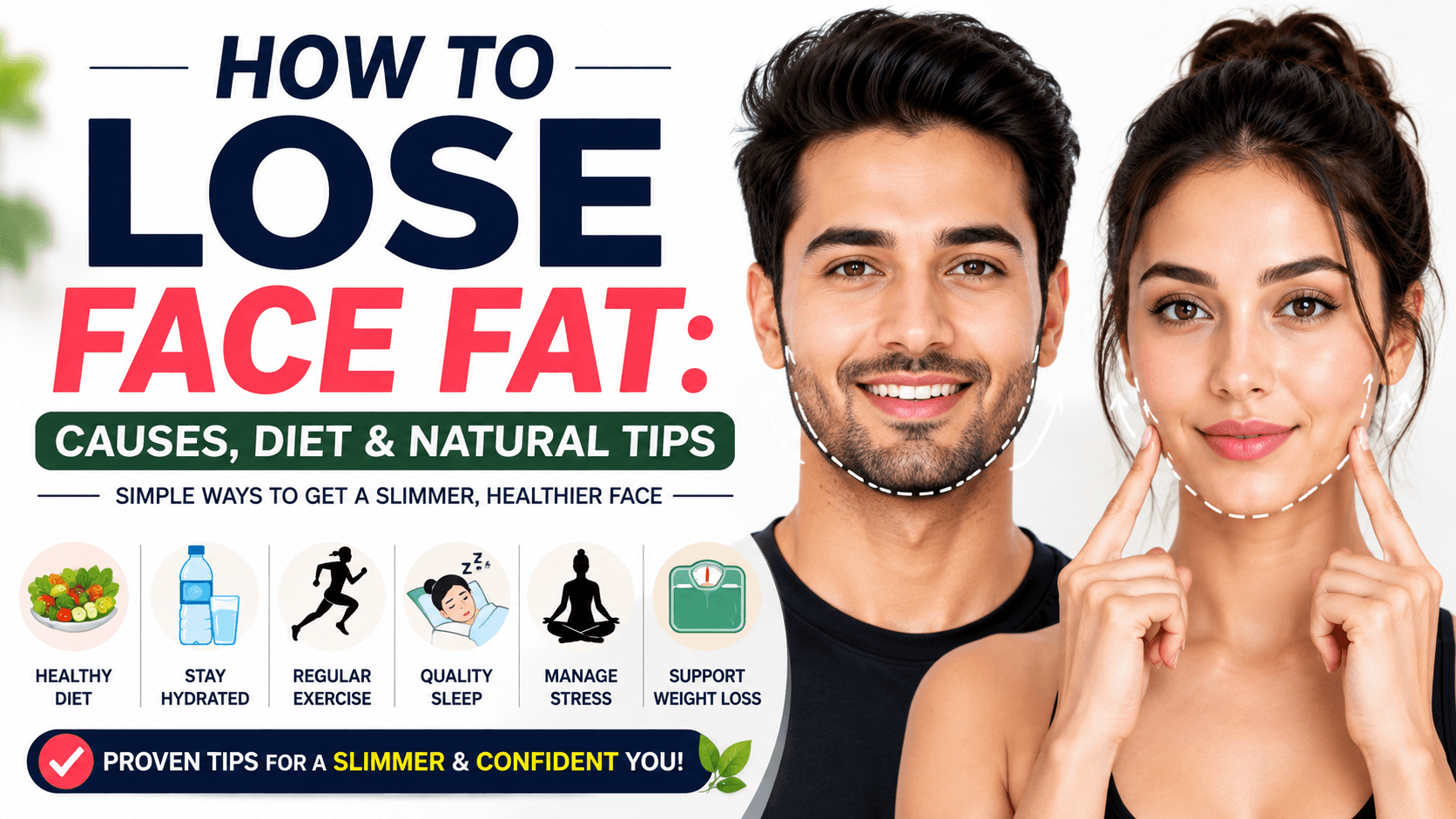
Before trying to lose face fat, it is important to understand what actually causes it. Many people assume that a fuller face is simply the result of gaining weight, but that is only one part of the picture. Your facial appearance is influenced by several factors, including body fat percentage, genetics, lifestyle habits, hydration, sleep quality, and overall health. Understanding these causes will help you focus on healthy, long-term solutions instead of relying on myths or quick fixes that rarely deliver lasting results.
The most common causes of face fat include:
- Excess body fat
- Genetics and natural facial structure
- Water retention and bloating
- Poor eating habits
- Lack of regular physical activity
- Poor sleep quality
- Alcohol consumption
- Certain medical conditions or medications
Among these, excess body fat is the leading cause for most people. Extra calories are stored as body fat. Since everyone stores fat differently, some people notice weight gain in their cheeks, chin, and jawline before seeing changes in other parts of the body. As overall body fat increases, the face may gradually appear rounder and less defined. This is why healthy weight loss often results in a naturally slimmer face.
Another important factor is genetics. Some individuals naturally have fuller cheeks, a wider face, or a softer jawline because of their inherited facial structure. Even people who are physically fit may have a naturally round face. This does not necessarily mean they have excess facial fat—it is simply the way their body is built. Comparing your face with someone else’s can therefore be misleading, as facial shape is largely determined by genetics.
Many people also mistake water retention for face fat. A face that looks puffy after waking up or following a salty meal is often caused by excess fluid rather than fat. Eating too much sodium, drinking alcohol, not drinking enough water, or consuming large amounts of processed food can all contribute to temporary swelling. Puffiness often improves with hydration, less salt, and a balanced diet.
Your daily lifestyle habits have a major influence as well. Frequently eating fast food, sugary snacks, and high-calorie beverages can lead to gradual weight gain, while spending most of the day sitting with little physical activity makes it harder to burn excess calories. Over time, these habits may increase body fat, including the fat stored around the face. Healthy eating and regular exercise support gradual body fat loss.
Poor sleep and chronic stress are two commonly overlooked factors. Not getting enough sleep may affect hormones that regulate hunger, appetite, and fluid balance. As a result, your face may look puffier, and maintaining a healthy weight can become more challenging. Likewise, long-term stress may encourage overeating or unhealthy food choices, making facial fullness more noticeable over time.
In some cases, facial swelling is not related to body fat at all. Certain medical conditions or medications can cause the face to appear swollen due to fluid retention or inflammation. Conditions such as thyroid disorders, allergies, kidney disease, or the use of corticosteroid medications may change the appearance of your face. If swelling develops suddenly, is severe, or is accompanied by other symptoms, seeking medical advice is the safest course of action.
It is also important to remember that spot reduction is a myth. There is no scientific evidence showing that you can burn fat from only your face through special exercises or products. The most effective strategy is to improve your overall health by eating a nutritious diet, exercising regularly, staying hydrated, getting enough sleep, and maintaining a healthy weight. As your overall body fat decreases, your face will often become naturally slimmer and more defined.
Understanding what causes face fat is the foundation of any successful weight-loss journey. Once you identify the possible reasons behind a fuller face, you can make informed lifestyle changes that support both your appearance and your long-term health. Rather than looking for instant results, focus on building healthy habits that deliver sustainable improvements over time.
How to Lose Face Fat Naturally and Safely
After understanding what causes face fat, the next step is learning how to lose face fat naturally and safely. Many people search for quick solutions, hoping to slim their face within a few days. However, the truth is that there is no scientifically proven way to burn fat from only your face. The safest and most effective approach is to reduce your overall body fat through healthy lifestyle changes. As your body gradually becomes leaner, your face often appears slimmer, and your facial features become more defined.
Instead of following crash diets or viral social media trends, focus on habits that improve your overall health. Sustainable lifestyle changes not only help reduce facial fat but also lower the risk of obesity, heart disease, and other health problems. While results may take time, they are more likely to last.
The most effective ways to lose face fat naturally include:
- Maintain a healthy calorie deficit without starving yourself.
- Eat a balanced diet rich in vegetables, fruits, lean protein, whole grains, and healthy fats.
- Exercise regularly with cardio and strength training.
- Drink enough water to stay hydrated and reduce water retention.
- Get 7–9 hours of quality sleep every night.
- Reduce your intake of salt, sugar, and processed foods.
- Limit alcohol consumption, which can contribute to facial puffiness.
- Stay consistent instead of expecting overnight results.
One of the most important steps is creating a healthy calorie deficit, which means consuming slightly fewer calories than your body burns each day. This encourages your body to use stored fat as an energy source. However, this does not mean skipping meals or following extreme diets. Eating too little can leave you feeling tired, increase hunger, and make it difficult to maintain healthy habits. A balanced, nutrient-rich diet is a much safer and more sustainable choice.
Regular physical activity is equally important. Facial exercises may strengthen muscles but do not specifically burn face fat. Instead, full-body activities such as brisk walking, jogging, cycling, swimming, dancing, or strength training help reduce overall body fat. Over time, this can naturally make your face appear slimmer and more defined.
Many people overlook the importance of staying hydrated. When your body is dehydrated, it may hold onto extra fluid, causing temporary puffiness in the face. Drinking enough water throughout the day supports normal body functions and may help reduce water retention. Replacing sugary soft drinks with water is also an easy way to cut unnecessary calories from your daily diet.
Getting enough quality sleep is just as important as diet and exercise. Poor sleep can disrupt hormones that control appetite and metabolism, making it easier to overeat and gain weight. It may also contribute to facial puffiness. Establishing a regular sleep routine and aiming for seven to nine hours of restful sleep each night can support both weight management and overall health.
It is also important to avoid products that promise instant face fat reduction. Creams, detox drinks, slimming patches, or miracle supplements are often marketed with unrealistic claims. At present, there is no reliable scientific evidence showing that these products can selectively remove fat from the face. Skip quick fixes and focus on healthy habits for lasting results.
Finally, be patient with your progress. Everyone loses weight at a different pace depending on factors such as age, genetics, activity level, and starting body weight. Comparing your progress to others can be discouraging. Focus on consistency rather than perfection, and celebrate small improvements along the way.
Losing face fat naturally is not about finding a shortcut—it is about building a healthier lifestyle. By eating nutritious foods, staying active, drinking enough water, sleeping well, and maintaining realistic expectations, you can gradually achieve a slimmer, healthier-looking face while improving your overall well-being.
Best Foods to Eat to Lose Face Fat Faster
When trying to lose face fat, your diet plays a bigger role than any facial exercise or beauty product. Although no specific food can burn fat from your face alone, choosing the right foods can help you reduce overall body fat, minimize water retention, and support a healthy metabolism. Over time, these changes may contribute to a slimmer and more defined facial appearance. Instead of following restrictive diets, focus on eating nutrient-dense foods that nourish your body while helping you maintain a healthy weight.
Include these healthy foods in your diet:
- Fresh fruits such as apples, berries, oranges, and grapefruit.
- Vegetables including spinach, broccoli, carrots, cucumbers, and bell peppers.
- Lean protein like chicken breast, fish, eggs, tofu, beans, and lentils.
- Whole grains such as oats, brown rice, quinoa, and whole-wheat bread.
- Healthy fats like nuts, seeds, avocados, and olive oil.
- Low-fat dairy, if it suits your diet.
- Water-rich foods like watermelon, cucumber, tomatoes, and celery.
One of the most important nutrients for healthy weight management is protein. Protein helps you stay full for longer, supports muscle maintenance, and may reduce unnecessary snacking throughout the day. Including a good source of lean protein with each meal can make it easier to control calorie intake while supporting gradual fat loss. Foods such as grilled chicken, fish, eggs, Greek yogurt, beans, and lentils are excellent choices.
Fruits and vegetables should make up a significant portion of your daily meals. They are naturally low in calories but rich in fiber, vitamins, minerals, and antioxidants. Fiber helps improve fullness, which may reduce overeating and make it easier to maintain a healthy calorie intake. Water-rich fruits and vegetables can also support hydration, which may help reduce temporary facial puffiness caused by water retention.
Choosing whole grains instead of refined carbohydrates is another smart dietary habit. Foods like oats, brown rice, quinoa, and whole-grain bread provide steady energy and are generally higher in fiber than refined grains. They help you feel satisfied for longer and may reduce sudden spikes in blood sugar that can increase cravings for sugary snacks.
Healthy fats are often misunderstood, but they are an important part of a balanced diet. Sources such as avocados, almonds, walnuts, chia seeds, flaxseeds, and olive oil provide essential fatty acids that support overall health. Because these foods are calorie-dense, they should be enjoyed in appropriate portions as part of a balanced eating plan.
Just as important as knowing what to eat is understanding which foods to limit. Frequently eating highly processed foods can make it harder to lose weight and may contribute to facial puffiness.
Try to reduce your intake of:
- Sugary soft drinks and energy drinks
- Fast food and deep-fried meals
- Chips, cookies, cakes, and pastries
- Processed meats
- Foods high in sodium (salt)
- Excessive sweets and desserts
These foods are often high in calories, unhealthy fats, added sugar, or sodium, all of which may contribute to weight gain or temporary water retention. Replacing them with fresh, minimally processed foods is a healthier long-term strategy.
Finally, remember that consistency matters more than perfection. There is no single “face fat diet” that works overnight. Instead, focus on building balanced meals, controlling portion sizes, drinking enough water, and making healthier food choices every day. Combined with regular exercise and good lifestyle habits, a nutritious diet can help reduce overall body fat and gradually give your face a leaner, healthier, and more defined appearance.
Do Face Exercises Help You Lose Face Fat?
Many people believe that doing facial exercises every day can quickly reduce cheek fat, remove a double chin, and create a sharper jawline. Videos on social media often promote facial yoga, cheek lifts, jaw exercises, and facial massage as effective ways to slim the face. While these exercises may improve muscle tone and facial movement, current scientific evidence does not show that face exercises alone can burn facial fat. Knowing their limits helps you set realistic expectations and choose what works.
Facial exercises mainly target the muscles beneath the skin, not the fat stored above them. Just as doing hundreds of arm movements will not remove fat only from your arms, exercising the facial muscles does not specifically burn fat from your cheeks or chin. Fat loss occurs throughout the body when you consistently burn more calories than you consume over time.
However, this does not mean facial exercises are completely useless. They may still provide several benefits, especially when combined with a healthy lifestyle.
Potential benefits of facial exercises include:
- Strengthening facial muscles and improving muscle control.
- Supporting better blood circulation in the face.
- Improving facial flexibility and muscle movement.
- Helping some people achieve a slightly firmer appearance over time.
- Promoting relaxation, especially when combined with facial massage.
These benefits may make the face look healthier or more refreshed, but they should not be mistaken for actual fat loss. If your goal is to lose face fat, facial exercises should be viewed as a small addition to a complete weight-management plan rather than the main solution.
If you decide to include facial exercises in your daily routine, it is important to keep your expectations realistic. Simple movements such as smiling while lifting your cheeks, gently puffing your cheeks, practicing jaw movements, or performing facial yoga may help activate facial muscles. Performing these exercises for a few minutes each day is generally safe for most healthy adults, but they should never replace regular physical activity or healthy eating habits.
To increase your chances of achieving a slimmer face, combine facial exercises with healthy lifestyle habits such as:
- Following a balanced, calorie-controlled diet.
- Doing regular cardio and strength-training exercises.
- Drinking enough water throughout the day.
- Getting 7–9 hours of quality sleep each night.
- Limiting alcohol, sugary drinks, and highly processed foods.
These evidence-based habits help reduce overall body fat, which is the most effective way to naturally slim the face. As your body fat percentage decreases, changes in your facial appearance often become more noticeable.
It is also important to be cautious about exaggerated claims on social media. Many influencers promote products or exercise routines that promise dramatic facial slimming within a few days. Such claims are rarely supported by reliable scientific research. Visible changes usually require time, consistency, and improvements in overall health rather than a single exercise routine.
Remember that genetics also influence your facial shape. Some people naturally have round cheeks or a wider face, even when they have a low body fat percentage. This is completely normal and cannot be completely changed through facial exercises. Comparing yourself to edited photos or unrealistic beauty standards may lead to unnecessary frustration.
Overall, facial exercises can be a healthy addition to your daily routine because they may strengthen facial muscles and improve facial movement. However, they cannot reduce face fat. If your goal is a leaner and more defined face, the most effective strategy is to combine a nutritious diet, regular exercise, proper hydration, quality sleep, and consistent healthy habits. Over time, these lifestyle changes offer the best chance of achieving safe, natural, and long-lasting results.
Healthy Lifestyle Habits That Help Lose Face Fat
Achieving a slimmer face is not just about following a healthy diet or exercising a few times a week. Your daily lifestyle habits have a significant impact on your overall body fat, hydration levels, and long-term health. Even small changes in your everyday routine can gradually improve your facial appearance over time. While there is no guaranteed way to target fat loss from only your face, maintaining healthy habits consistently can help reduce overall body fat, which may naturally make your face look leaner and more defined.
The following lifestyle habits can support your weight-loss journey and contribute to a healthier-looking face:
- Stay physically active every day, even if it is just a brisk walk.
- Drink enough water to stay hydrated and reduce water retention.
- Sleep for 7–9 hours every night to support healthy hormone function.
- Manage stress effectively through relaxation techniques or enjoyable activities.
- Avoid smoking and limit alcohol consumption whenever possible.
- Maintain a consistent eating schedule instead of skipping meals.
- Monitor your body weight regularly to stay motivated and track progress.
Staying physically active is one of the best habits. You do not need to spend hours at the gym every day to see results. Activities such as walking, cycling, swimming, jogging, dancing, or strength training can help burn calories and improve your overall fitness. Regular movement also supports a healthy metabolism, making it easier to reduce body fat over time. As your overall body fat decreases, your face may gradually appear slimmer as well.
Hydration is another habit that should never be overlooked. Many people do not drink enough water throughout the day, which can sometimes lead to temporary water retention and facial puffiness. Keeping your body well hydrated supports normal body functions and may help reduce bloating. Carrying a reusable water bottle or drinking water before meals are simple ways to improve your daily water intake.
Getting quality sleep is just as important as eating healthy and exercising. Poor sleep may affect hormones that regulate hunger and appetite, making it easier to overeat or crave high-calorie foods. Lack of sleep can also leave your face looking tired or puffy. A regular bedtime routine and less screen time can improve sleep quality.
Long-term stress management also plays a role in maintaining a healthy weight. When people experience ongoing stress, they may be more likely to consume comfort foods that are high in sugar and calories. Finding healthy ways to relax—such as meditation, deep breathing, yoga, reading, or spending time outdoors—can improve both mental and physical well-being. Managing stress makes it easier to stay committed to healthy eating and regular exercise.
Avoiding harmful habits is equally important. Smoking can negatively affect skin health and overall wellness, while drinking excessive alcohol may contribute to dehydration, water retention, and additional calorie intake. Reducing or avoiding these habits supports not only a healthier face but also better long-term health.
Another useful habit is maintaining a consistent daily routine. Eating meals at regular times, planning healthy snacks, preparing balanced meals in advance, and monitoring your progress can help you stay on track. Healthy weight loss comes from making better choices consistently, not being perfect.
Finally, remember that meaningful changes take time. Many people become discouraged if they do not see immediate improvements in their facial appearance. However, healthy lifestyle habits work gradually, and the results are often more sustainable than quick-fix methods. Stay patient, remain consistent, and focus on building routines that you can maintain for the long term.
By combining healthy eating, regular exercise, proper hydration, quality sleep, and effective stress management, you create a strong foundation for overall weight loss. As your health improves and your body fat gradually decreases, your face may naturally become slimmer, healthier, and more defined without relying on unrealistic shortcuts or unproven products.
Common Mistakes That Stop You from Losing Face Fat
Many people work hard to achieve a slimmer face but become disappointed when they do not see noticeable results. In most cases, the problem is not a lack of effort—it is following habits or advice that simply do not work. Avoiding these common mistakes can make your weight-loss journey more effective and help you achieve healthier, long-lasting results. Instead of looking for shortcuts, focus on building habits that are supported by science and can be maintained over time.
Common mistakes that can slow your progress include:
- Expecting overnight results.
- Following crash or fad diets.
- Skipping meals to lose weight faster.
- Relying only on facial exercises.
- Drinking sugary beverages regularly.
- Ignoring sleep and stress management.
- Eating too many processed and salty foods.
- Being inconsistent with healthy habits.
One of the biggest mistakes is expecting immediate changes. Face fat does not develop overnight, and it will not disappear overnight either. Healthy weight loss is a gradual process that requires patience and consistency. Many people give up after a few weeks because they do not see dramatic changes, even though their healthy habits are beginning to improve their overall health. Staying committed to your routine is far more important than looking for instant results.
Another mistake is following crash or overly restrictive diets. These diets may cause rapid weight loss in the beginning, but they are often difficult to maintain and can lead to muscle loss, nutrient deficiencies, and weight regain. Instead of eliminating entire food groups, focus on eating balanced meals that provide enough protein, fiber, healthy fats, and essential vitamins while maintaining a moderate calorie deficit.
Skipping meals may seem helpful, but it often leads to overeating later. Eating balanced meals regularly is a healthier, more sustainable approach.
Another misunderstanding is relying only on facial exercises while ignoring diet and overall physical activity. Although facial exercises may strengthen facial muscles, there is no strong scientific evidence that they burn fat specifically from the face. A combination of healthy eating, regular cardio, strength training, and an active lifestyle remains the most effective way to reduce overall body fat.
Your daily drink choices also matter. Sugary soft drinks, sweetened coffee beverages, and energy drinks often contain large amounts of added sugar and unnecessary calories. These beverages can make it more difficult to maintain a healthy calorie intake. Replacing them with water, unsweetened tea, or other low-calorie drinks is a simple step that supports long-term weight management.
Poor sleep and unmanaged stress are frequently overlooked. Not getting enough rest can affect hormones that regulate hunger and appetite, while chronic stress may encourage emotional eating or unhealthy food choices. Improving your sleep routine and finding healthy ways to manage stress can make it easier to stay consistent with your weight-loss goals.
Finally, one of the most damaging mistakes is being inconsistent. Following a healthy routine for only a few days before returning to old habits will not produce lasting results. Healthy weight management is built through small, consistent improvements that become part of your daily lifestyle. Progress may seem slow at times, but consistent habits often produce the best long-term outcomes.
Avoiding these common mistakes can significantly improve your chances of achieving a slimmer face in a healthy and sustainable way. Instead of chasing quick fixes, concentrate on eating nutritious foods, staying physically active, drinking enough water, sleeping well, and remaining patient with your progress. Over time, these evidence-based habits can help you achieve not only a leaner face but also better overall health.
How to Maintain a Slim Face After Losing Face Fat
Losing face fat is a significant achievement, but maintaining those results is just as important as reaching them. Many people notice that after successfully losing weight, their face becomes slimmer and more defined. However, returning to old eating habits, becoming less active, or neglecting healthy routines can gradually lead to weight regain and a fuller facial appearance. The key to maintaining a slim face is not following strict diets—it is building healthy habits that you can continue for years.
To maintain a slimmer face, focus on these long-term habits:
- Continue eating a balanced and nutritious diet.
- Stay physically active throughout the week.
- Drink enough water every day.
- Maintain a healthy body weight.
- Get consistent, quality sleep.
- Limit processed foods, sugary drinks, and excessive alcohol.
- Manage stress in healthy ways.
- Monitor your progress without becoming obsessive.
One of the best ways to maintain your results is by following a balanced diet instead of returning to unhealthy eating patterns. You do not have to avoid your favorite foods completely, but they should be enjoyed in moderation. Filling your meals with vegetables, fruits, lean protein, whole grains, and healthy fats helps provide the nutrients your body needs while supporting a healthy weight. Making smart food choices most of the time is far more effective than trying to follow a perfect diet.
Regular physical activity should also remain part of your lifestyle. Many people stop exercising once they achieve their target weight, but this can make it easier to regain body fat over time. Choose activities you enjoy, like walking, swimming, or cycling. Staying active helps maintain muscle mass, supports metabolism, and makes long-term weight management easier.
Hydration continues to play an important role after losing face fat. Drinking enough water supports normal body functions and may help reduce temporary facial puffiness caused by dehydration or excess sodium intake. Choosing water instead of sugary drinks is also an easy way to avoid unnecessary calories while supporting your overall health.
Getting 7–9 hours of quality sleep each night is another habit worth protecting. Poor sleep may influence hormones that regulate appetite and increase cravings for high-calorie foods. It can also cause water retention and facial puffiness. Maintaining a consistent sleep schedule benefits both your physical health and your appearance.
Stress management is equally important for long-term success. Chronic stress can lead to overeating, unhealthy choices, and less exercise. Finding healthy ways to relax—such as meditation, yoga, reading, spending time outdoors, or enjoying hobbies—can help you maintain both your mental well-being and your healthy lifestyle.
It is also important to remember that occasional fluctuations are completely normal. Factors such as hydration, salt intake, hormonal changes, and sleep quality can temporarily affect how your face looks from one day to the next. A slightly puffier face after a salty meal or a late night does not necessarily mean you have regained fat. Focus on your long-term habits rather than worrying about daily changes in the mirror.
Finally, avoid comparing your appearance with edited photos or unrealistic beauty standards on social media. Every person has a unique facial structure, and genetics continue to influence how your face looks even after losing weight. A naturally round face can still be healthy and attractive. The goal should be to maintain a healthy lifestyle rather than trying to achieve perfection.
Maintaining a slim face is ultimately about maintaining a healthy body. By continuing to eat nutritious foods, staying active, drinking enough water, sleeping well, and managing stress, you can preserve your results and support your overall well-being. Consistency—not perfection—is what leads to lasting success. Healthy habits practiced every day will not only help keep your face looking slimmer but will also improve your quality of life for years to come.
Conclusion
Losing face fat is not about finding a miracle product or following a shortcut—it is about building healthy habits that improve your overall health. Since spot reduction is not scientifically proven, the most effective way to achieve a slimmer face is by reducing overall body fat through a balanced diet, regular exercise, proper hydration, quality sleep, and consistent lifestyle changes.
Remember that your facial appearance is influenced by several factors, including genetics, body weight, water retention, and daily habits. While you cannot change your natural facial structure, you can improve your overall fitness and reduce excess body fat in a safe and sustainable way. Small improvements made every day often lead to noticeable changes over time.
If your goal is to lose face fat naturally, avoid crash diets, miracle supplements, or social media trends that promise instant results. Instead, focus on eating nutritious foods, staying physically active, managing stress, and maintaining a healthy routine. These evidence-based habits not only help create a leaner and more defined face but also support your long-term physical and mental well-being.
Finally, be patient with your progress. Healthy weight loss takes time, and every person’s journey is different. Stay consistent, celebrate small achievements, and focus on becoming healthier rather than chasing perfection. As your overall health improves, a slimmer and more confident-looking face will often be one of the many positive results.
Frequently Asked Questions
Q1. Is it possible to lose face fat only?
A: No. According to current scientific evidence, you cannot lose fat from only one specific area of the body, including the face. The most effective way to reduce face fat is by lowering your overall body fat through a healthy diet, regular exercise, quality sleep, and consistent lifestyle habits.
Q2. How long does it take to lose face fat?
A: The time varies from person to person depending on factors such as body weight, diet, physical activity, genetics, and metabolism. Some people may notice changes within a few weeks, while others may take several months. Consistency is more important than speed.
Q3. What foods help reduce face fat?
A: A balanced diet that includes fruits, vegetables, lean protein, whole grains, healthy fats, and plenty of water can support overall weight loss. Limiting sugary drinks, processed foods, and excess salt may also help reduce facial puffiness.
Q4. Do face exercises really work for losing face fat?
A: Facial exercises may strengthen facial muscles and improve muscle tone, but there is no strong scientific evidence that they can burn fat specifically from the face. They are best used alongside a healthy diet and regular full-body exercise.
Q5. Can drinking more water make your face look slimmer?
A: Drinking enough water may help reduce temporary water retention and bloating, making your face appear less puffy. While water alone does not burn fat, staying hydrated supports overall health and healthy weight management.
Q6. Does losing body weight also reduce face fat?
A: In many cases, yes. As your overall body fat decreases through healthy eating and regular exercise, your face often becomes slimmer and your jawline may appear more defined.
Q7. Why does my face stay fat even though I exercise regularly?
A: Genetics, water retention, hormonal changes, and your natural facial structure can all affect the appearance of your face. Some people naturally have fuller cheeks even when they are physically fit. If you have concerns about sudden facial swelling, consult a healthcare professional.
Q8. Are there any supplements or creams that burn face fat?
A: No supplement, cream, or cosmetic product has been scientifically proven to remove fat from the face alone. Be cautious of products that promise instant facial slimming, as many of these claims are not supported by reliable evidence.
Q9. What is the safest way to lose face fat naturally?
A: The safest approach is to follow a balanced diet, exercise regularly, stay hydrated, sleep 7–9 hours each night, manage stress, and maintain a healthy body weight. These long-term habits support overall fat loss and may naturally lead to a slimmer-looking face.