
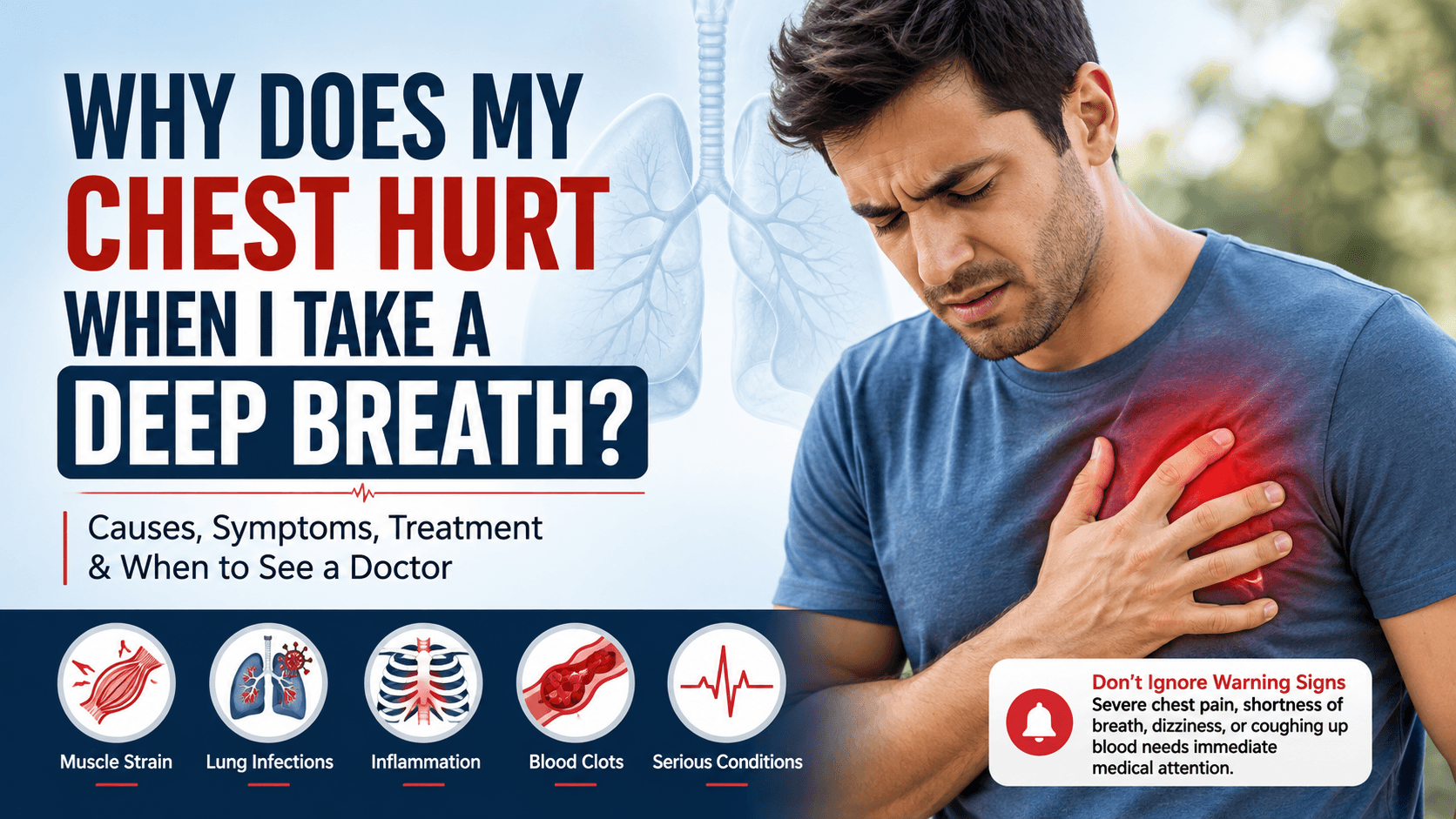
Chest Pain When Taking a Deep Breath: Causes & Warning Signs
Chest pain that becomes noticeable or worse when you take a deep breath can be uncomfortable and sometimes frightening. This type of pain does not always mean that something is wrong with the heart. In many cases, it may be related to the muscles, ribs, lungs, or the thin tissues surrounding the lungs. However, because chest pain can occasionally be linked to a serious medical condition, it is important not to ignore severe, sudden, or unexplained symptoms.
One common reason for chest pain during deep breathing is muscle strain. The muscles between the ribs help the chest expand and contract as you breathe. If these muscles become strained because of exercise, heavy lifting, coughing, an awkward movement, or another physical activity, taking a deep breath may stretch the affected area and cause pain. The discomfort may also become more noticeable when you twist your upper body, move your arms, cough, or press on the sore area.
Another possible cause is inflammation around the lungs, sometimes called pleuritic pain. The lungs are surrounded by a thin layer of tissue called the pleura. When inflamed, these tissues can rub together during breathing. This can lead to a sharp or stabbing sensation that becomes worse when taking a deep breath, coughing, or sneezing. Respiratory infections can sometimes cause this type of irritation.
Coughing and respiratory infections can also contribute to chest discomfort. A persistent cough can repeatedly strain the muscles and tissues around the chest. Conditions such as a common respiratory infection, bronchitis, or pneumonia may cause coughing, chest discomfort, fever, tiredness, or difficulty breathing. When chest pain occurs together with breathing problems or other significant symptoms, medical evaluation may be necessary.
Chest pain that worsens with breathing can sometimes be associated with inflammation of the cartilage connecting the ribs to the breastbone. This condition can cause localized pain or tenderness in the front of the chest. The discomfort may become more noticeable with deep breathing, coughing, certain movements, or pressure over the affected area. Although alarming, this pain often comes from the chest wall, not the heart.
There are also less common but potentially serious causes. A pulmonary embolism can cause sudden chest pain that worsens with deep breathing. It may also be accompanied by sudden shortness of breath, rapid heartbeat, coughing, dizziness, or coughing up blood. A collapsed lung can also produce sudden chest pain and breathing difficulty.
Because several different conditions can produce similar symptoms, the location, severity, duration, and accompanying symptoms all matter. Pain that is mild and clearly connected to a recent muscle strain may have a very different explanation from sudden chest pain accompanied by breathing difficulty.
Seek urgent medical attention if chest pain is sudden or severe, especially if it occurs with:
- Severe or unexplained shortness of breath
- Fainting, severe dizziness, or unusual weakness
- A very fast or irregular heartbeat
- Coughing up blood
- Blue or gray lips or skin
- Heavy pressure, squeezing, or tightness in the chest
- Pain spreading to the arm, shoulder, back, neck, or jaw
Consider your overall health and medical history. Recent surgery, prolonged immobility, long-distance travel, a previous blood clot, or certain other risk factors can increase the likelihood of serious problems such as pulmonary embolism.
In some situations, chest pain may be caused by a relatively minor problem, but it is not possible to determine the exact cause based on the pain alone. A healthcare professional may ask when the pain started, whether it changes with breathing or movement, whether you have a cough or fever, and whether you have other symptoms. Depending on the situation, they may perform a physical examination and recommend tests such as an electrocardiogram, chest imaging, or blood tests.
The key point is that chest pain when taking a deep breath has many possible causes. Muscle strain, chest-wall inflammation, respiratory infections, and irritation around the lungs are among the possibilities, while conditions such as a pulmonary embolism or collapsed lung require urgent attention. If the pain is new, persistent, worsening, or accompanied by breathing difficulty or other concerning symptoms, getting medical advice is the safest approach.
Common Causes of Chest Pain When Breathing Deeply
Chest pain that worsens with deep breathing can have several causes, including muscle strain, rib problems, lung issues, or inflammation. It may follow an injury, physical activity, infection, or another condition. Knowing the possible causes can help you recognize when medical care may be needed.
1. Muscle Strain
A strained chest muscle is a common cause. The muscles between and around the ribs work continuously as you breathe. Heavy lifting, strenuous exercise, sudden movements, intense coughing, or repetitive upper-body activity can strain these muscles.
Deep breathing or upper-body movement can worsen muscle-strain pain. Rest and avoiding painful activities may help mild strains improve.
2. Costochondritis
Costochondritis occurs when rib cartilage becomes inflamed. It can cause pain or tenderness in the front or side of the chest. Deep breathing, coughing, sneezing, or certain movements may make the discomfort more noticeable.
The pain can sometimes feel alarming because it occurs in the chest. However, chest-wall inflammation is different from heart-related chest pain. A healthcare professional can help determine the cause when the symptoms are unclear or persistent.
3. Respiratory Infection
A respiratory infection can cause chest discomfort, particularly when it produces frequent or forceful coughing. Conditions such as bronchitis or pneumonia may cause symptoms including cough, fever, fatigue, mucus production, and breathing discomfort.
Inflammation caused by an infection may also make deep breathing uncomfortable. If chest pain occurs with fever, worsening cough, shortness of breath, or significant weakness, medical evaluation may be appropriate.
4. Pleurisy
The lungs are covered by thin layers of tissue called the pleura. When these tissues become inflamed or irritated, a condition known as pleurisy can develop. Pleuritic pain is often sharp and may become worse when you breathe deeply, cough, or sneeze.
Pleurisy can occur for different reasons, including respiratory infections and other inflammatory conditions. Persistent or unexplained pleuritic pain should be evaluated by a healthcare professional.
5. Pneumonia
Pneumonia is an infection that affects the lungs and can sometimes cause chest pain that becomes worse during deep breathing or coughing. Other symptoms may include fever, chills, cough, tiredness, and difficulty breathing.
Pneumonia can range from mild to serious. Older adults, children, and people with certain health conditions may face higher complication risks. Prompt medical care is important when symptoms are significant or getting worse.
6. Pulmonary Embolism
A pulmonary embolism occurs when a blood clot blocks a lung blood vessel, causing sudden chest pain, shortness of breath, rapid heartbeat, dizziness, or coughing up blood.
This is a medical emergency requiring immediate evaluation. The risk can be higher in certain situations, such as after prolonged immobility, some surgeries, or previous blood clots.
7. Collapsed Lung
A collapsed lung, medically known as pneumothorax, occurs when air enters the space around the lung and causes part or all of the lung to collapse. It can cause sudden chest pain and shortness of breath, often worse with deep breathing.
A collapsed lung requires medical assessment, particularly when symptoms develop suddenly or breathing becomes difficult.
8. Acid Reflux
Acid reflux can cause chest burning or discomfort. Although reflux-related discomfort is not typically caused specifically by taking a deep breath, it can sometimes be confused with other forms of chest pain.
Heartburn may occur after meals or when lying down, often with a sour taste or acid rising.
When Should You Take Chest Pain Seriously?
Not every episode of chest pain indicates an emergency, but certain symptoms should not be ignored. Sudden or severe chest pain, significant shortness of breath, fainting, coughing up blood, blue or gray lips, or pain that spreads to the arm, back, neck, or jaw requires urgent medical attention.
The exact cause cannot be determined from symptoms alone. If chest pain when breathing deeply is new, persistent, worsening, or accompanied by other concerning symptoms, speak with a healthcare professional. Identifying the cause is important because treatment depends on it.
Symptoms That May Occur With Chest Pain
Chest pain that becomes worse when taking a deep breath can occur with many different conditions. The type of pain and the symptoms that appear alongside it can sometimes provide useful clues about what may be happening. Some people experience a sharp or stabbing sensation, while others may notice soreness, pressure, burning, or discomfort in one particular area of the chest.
The symptoms can vary depending on whether the pain is related to the chest muscles, ribs, lungs, the tissues surrounding the lungs, or another condition. For this reason, chest pain should not be judged by one symptom alone. Paying attention to when the pain began, what makes it worse, and whether other symptoms are present can help a healthcare professional assess the situation.
Sharp or Stabbing Chest Pain
A sharp or stabbing pain that becomes worse when you inhale deeply is sometimes described as pleuritic chest pain. It may also become more noticeable when coughing, sneezing, or moving the upper body.
This type of pain can occur when tissues around the lungs become irritated or inflamed. It may also occur with certain chest-wall problems. Although sharp pain does not automatically mean there is a serious problem, sudden or unexplained pain should be taken seriously, especially if it occurs with breathing difficulty.
Tenderness or Soreness
Chest pain caused by muscle strain or irritation of the chest wall may feel sore or tender. You might notice discomfort when pressing on a particular area or when moving your arms, shoulders, or upper body.
This can happen after activities such as heavy lifting, intense exercise, repeated coughing, or an unusual movement. Pain that clearly changes with movement or pressure may suggest a musculoskeletal cause, but it is still important to consider the full range of symptoms.
Shortness of Breath
Shortness of breath means feeling that you cannot get enough air or that breathing requires more effort than usual. When chest pain occurs together with sudden or significant breathing difficulty, it can be more concerning.
Certain lung conditions can cause both chest pain and shortness of breath. A pulmonary embolism, pneumothorax, pneumonia, and other respiratory problems are examples of conditions that may produce these symptoms.
Sudden chest pain accompanied by significant shortness of breath should receive urgent medical attention.
Cough
A cough may occur alongside chest pain when a respiratory infection or another lung-related problem is involved. Frequent coughing can also strain the muscles between the ribs and make the chest sore.
Depending on the cause, a cough may be dry or produce mucus. A persistent cough accompanied by fever, breathing difficulty, worsening chest pain, or blood should not be ignored.
Fever and Chills
Fever or chills together with chest pain may indicate an infection, particularly when accompanied by cough, tiredness, or difficulty breathing. Pneumonia and some other respiratory infections can cause these symptoms.
A healthcare professional may need to assess the symptoms to determine whether an infection is present and whether treatment is required.
Rapid Heartbeat or Palpitations
Some people with chest discomfort may notice that their heart is beating faster, harder, or irregularly. A faster heartbeat can happen for many reasons, including stress, pain, fever, dehydration, or physical exertion.
However, chest pain combined with a very fast or irregular heartbeat, fainting, severe weakness, or breathing difficulty should be assessed promptly.
Dizziness or Fainting
Feeling lightheaded, extremely weak, or faint while experiencing chest pain can be a warning sign. It may indicate that the body is not receiving enough oxygen or that blood circulation is being affected.
If chest pain is accompanied by fainting or severe dizziness, particularly when the symptoms begin suddenly, seek urgent medical care.
Coughing Up Blood
Coughing up blood is abnormal and requires medical evaluation. When it occurs together with sudden chest pain or shortness of breath, it can sometimes be associated with a serious lung problem such as a pulmonary embolism.
Other causes are also possible, but blood in the cough should not simply be assumed to be harmless.
Pain That Spreads to Other Areas
Chest discomfort can sometimes extend beyond the original area. Pain or pressure that spreads toward the arm, shoulder, back, neck, or jaw can be associated with certain heart-related conditions.
Although pain that changes with deep breathing may have several non-cardiac causes, chest pain that spreads to other areas should be taken seriously, especially when accompanied by sweating, nausea, weakness, shortness of breath, or pressure in the chest.
When Symptoms Need Urgent Attention
The combination of symptoms matters. Mild chest soreness after physical activity may have a different explanation from sudden chest pain accompanied by breathing difficulty or fainting.
Seek urgent medical attention if chest pain occurs with:
- Sudden or severe shortness of breath
- Fainting or severe dizziness
- Coughing up blood
- Blue or gray lips or skin
- Severe weakness or confusion
- A very fast or irregular heartbeat
- Chest pressure or pain spreading to the arm, back, neck, or jaw
It is important to remember that symptoms alone cannot confirm the exact cause of chest pain. A healthcare professional may need to ask questions, perform an examination, and sometimes order tests to identify the underlying problem.
If chest pain when taking a deep breath is new, persistent, worsening, or accompanied by concerning symptoms, it is safer to seek medical advice rather than trying to diagnose the condition yourself. Early evaluation can help identify serious causes and provide appropriate treatment when necessary.
When Should You See a Doctor for Chest Pain?
Chest pain that becomes worse when you take a deep breath can have many possible causes, ranging from muscle strain and chest-wall inflammation to infections and more serious lung or heart conditions. Because chest pain can sometimes signal an emergency, it is important to know when professional medical attention is necessary.
Not every episode of chest pain requires an emergency visit. For example, mild soreness that begins after heavy exercise, lifting something, or repeated coughing may be related to strained chest muscles. However, it can be difficult to identify the cause based on symptoms alone. If the pain is new, unexplained, persistent, or getting worse, contacting a healthcare professional is a sensible step.
Seek Emergency Care for Severe or Sudden Symptoms
Chest pain that starts suddenly or becomes severe deserves immediate attention, particularly when it occurs with breathing problems or other warning signs. Some serious conditions affecting the lungs, heart, or blood vessels can develop quickly and require urgent treatment.
Get emergency medical help if chest pain occurs with:
- Severe or sudden difficulty breathing
- Fainting or loss of consciousness
- Severe dizziness or unusual weakness
- Coughing up blood
- Blue or gray lips or skin
- A very fast or irregular heartbeat
- Severe chest pressure, squeezing, or tightness
- Pain that spreads to the arm, shoulder, back, neck, or jaw
- Sudden confusion or a major change in alertness
These symptoms should not be ignored or treated at home without professional evaluation.
See a Doctor for Persistent Chest Pain
If the pain is not severe but continues for several hours, repeatedly returns, or does not seem to be improving, make an appointment with a healthcare professional. Persistent pain can sometimes indicate an underlying problem that needs diagnosis and treatment.
A doctor may ask questions about when the pain started, whether it occurs only during deep breathing, whether movement affects it, and whether you have symptoms such as cough, fever, shortness of breath, or heart palpitations.
Seek Medical Advice After an Injury
Chest pain that develops after a fall, accident, sports injury, or blow to the chest should be assessed when the pain is significant or does not improve. Injuries can affect muscles, ribs, cartilage, or other structures in the chest.
Pain may become worse with deep breathing because the chest wall moves during each breath. If you have significant tenderness, swelling, difficulty breathing, or worsening pain after an injury, medical evaluation is particularly important.
Get Checked When Chest Pain Occurs With an Infection
Chest discomfort accompanied by fever, persistent cough, chills, unusual tiredness, mucus production, or shortness of breath may occur with respiratory infections. Some infections can affect the lungs and may require medical treatment.
If symptoms are severe, worsening, or lasting longer than expected, speak with a healthcare professional. Do not assume that chest pain during breathing is simply a normal part of a cough or cold.
Consider Your Risk Factors
Your personal health history can influence how seriously chest pain should be evaluated. Certain factors can increase the risk of blood clots, heart problems, or lung conditions.
For example, recent major surgery, prolonged immobility, a previous blood clot, or certain other medical conditions may increase the risk of a pulmonary embolism. A healthcare professional can consider these factors along with your symptoms.
Do Not Try to Diagnose Chest Pain Yourself
Chest pain can be difficult to interpret because different conditions can produce similar sensations. A sharp pain that becomes worse with deep breathing may come from the chest wall or tissues around the lungs, but symptoms alone cannot reliably rule out more serious conditions.
A healthcare professional may perform a physical examination and, depending on your symptoms, recommend tests such as an electrocardiogram, chest imaging, or blood tests. The appropriate evaluation depends on the individual situation.
The Bottom Line
You should seek medical attention for chest pain when it is sudden, severe, persistent, unexplained, worsening, or accompanied by breathing difficulty or other concerning symptoms. Severe shortness of breath, fainting, coughing blood, or spreading chest pain requires urgent medical care.
If the pain is mild but keeps returning or does not improve, arrange a medical assessment. It is better to have unexplained chest pain checked than to assume that it is harmless. The underlying cause determines the appropriate treatment, so getting an accurate diagnosis is an important part of staying safe.
How Is Chest Pain With Deep Breathing Treated?
Treatment for chest pain that gets worse when you take a deep breath depends on what is causing the discomfort. There is no single treatment that works for every type of chest pain because the underlying causes can be very different. For example, pain caused by a strained chest muscle may improve with rest, while chest pain caused by an infection or a lung problem may require medical treatment.
The first step is usually identifying the cause. A healthcare professional may ask when the pain started, whether it becomes worse with deep breathing or movement, whether you recently exercised or injured yourself, and whether you have symptoms such as cough, fever, shortness of breath, or dizziness. Depending on the symptoms and medical history, an examination or additional tests may be recommended.
Treatment for Muscle Strain
If chest pain is caused by a mild muscle strain, reducing activities that make the pain worse can give the affected muscles time to recover. Avoiding heavy lifting and strenuous upper-body exercise for a short period may be helpful.
Some people may use an over-the-counter pain reliever, but the appropriate medication depends on individual health factors and other medicines being taken. If pain is severe, persistent, or getting worse, it should be evaluated rather than assumed to be a simple muscle strain.
Treatment for Chest-Wall Inflammation
When inflammation of the cartilage around the ribs is responsible for the pain, treatment may focus on reducing irritation and managing discomfort. Rest and avoiding movements that trigger the pain may help.
A healthcare professional may recommend appropriate pain-relief options when necessary. Because chest-wall inflammation can feel similar to other forms of chest pain, a medical assessment may be appropriate when the diagnosis is uncertain.
Treatment for Respiratory Infections
If chest pain is associated with a respiratory infection, treatment depends on the type and severity of the infection. Viral infections often improve with supportive care such as adequate rest and fluids, while some bacterial infections may require prescription treatment.
Pneumonia, in particular, can sometimes become serious and may require medical evaluation and specific treatment. Symptoms such as persistent fever, worsening cough, significant weakness, or difficulty breathing should not be ignored.
Treatment for Pleurisy
When inflammation affects the tissues surrounding the lungs, treatment is directed toward the underlying cause. If an infection is responsible, treating that infection may help reduce the inflammation and discomfort.
Pain may become worse with coughing or deep breathing, so medical advice can help determine the safest way to manage symptoms while the underlying problem is treated.
Treatment for Pulmonary Embolism
A pulmonary embolism is a serious condition caused by a blood clot blocking a blood vessel in the lungs. It requires urgent medical evaluation and treatment.
Treatment may involve prescription medicines that prevent blood clots from growing or new clots from forming. The exact treatment depends on the severity of the condition and the individual’s overall health. Sudden chest pain combined with shortness of breath, rapid heartbeat, fainting, or coughing up blood requires emergency medical attention.
Treatment for a Collapsed Lung
A collapsed lung, or pneumothorax, can cause sudden chest pain and difficulty breathing. Treatment depends on how much the lung has collapsed and the person’s symptoms.
A small pneumothorax may sometimes be monitored by healthcare professionals, while a larger or more serious collapse may require procedures to remove trapped air and allow the lung to expand. Sudden chest pain with breathing difficulty should therefore be evaluated urgently.
What You Can Do While Waiting for Medical Advice
If chest pain is mild and you are waiting for a medical appointment, avoid strenuous activity and pay attention to changes in your symptoms. Do not push through activities that clearly make the pain worse.
Keep track of useful details, such as when the pain began, whether it occurs only during deep breathing, whether coughing or movement changes it, and whether other symptoms develop. This information can help a healthcare professional understand the situation.
Do not rely on home treatment when chest pain is severe, sudden, unexplained, or accompanied by breathing difficulty or other emergency symptoms.
Why Proper Diagnosis Matters
Chest pain with deep breathing can result from a minor chest-wall problem, but it can also occur with conditions that need prompt medical treatment. Treating the wrong cause may delay appropriate care.
Doctors may use an exam, ECG, imaging, or blood tests to find the cause of chest pain.
The most appropriate treatment depends entirely on the underlying condition. If the pain is new, persistent, worsening, or associated with symptoms such as severe shortness of breath, fainting, coughing up blood, or pain spreading to other parts of the body, seek urgent medical attention rather than attempting to manage it at home.
Conclusion
Chest pain when taking a deep breath can happen for many different reasons, and the cause is not always serious. Muscle strain, chest-wall inflammation, respiratory infections, and irritation around the lungs are some possible explanations. However, similar pain can also occur with more serious conditions affecting the lungs or blood vessels, so it is important to pay attention to how the pain begins and what other symptoms occur with it.
Symptoms such as sharp or stabbing pain, tenderness, coughing, fever, or discomfort with movement may provide useful clues, but they cannot confirm the exact cause on their own. If chest pain is new, persistent, unexplained, or repeatedly returns, speaking with a healthcare professional can help identify the underlying problem.
The situation becomes more urgent when chest pain occurs with sudden shortness of breath, fainting, severe dizziness, coughing up blood, a very fast heartbeat, or pain spreading to the arm, back, neck, or jaw. These symptoms can sometimes indicate a serious medical condition and should not be ignored.
Treatment depends entirely on the underlying cause. Mild muscle-related pain may improve with rest and avoiding activities that aggravate the area, while infections or lung-related conditions may require specific medical care. Serious causes, such as a pulmonary embolism or collapsed lung, need prompt professional treatment.
Ultimately, chest pain that worsens with deep breathing should not automatically be assumed to be harmless. Understanding possible causes and warning signs can help you make safer decisions about when to monitor symptoms and when to seek medical care. If you are experiencing severe, sudden, or unexplained chest pain, especially with breathing difficulty, seek urgent medical attention rather than trying to diagnose or treat the problem yourself.
Frequently Asked Questions
Q1. Why does my chest hurt when I take a deep breath?
A: Chest pain during a deep breath can have several causes, including muscle strain, chest-wall inflammation, respiratory infections, or irritation around the lungs. Sudden, severe, or unexplained pain should be medically evaluated.
Q2. Is chest pain when breathing deeply always serious?
A: No. Muscle strain or inflammation can cause temporary chest discomfort. However, serious lung or cardiovascular conditions can sometimes cause similar symptoms, so severe or sudden pain should not be ignored.
Q3. Can a muscle strain cause chest pain when taking a deep breath?
A: Yes. A strained chest muscle can hurt when the chest expands during deep breathing. Pain may also increase with movement, coughing, stretching, or pressing on the affected area.
Q4. Can a respiratory infection cause chest pain?
A: Yes. Respiratory infections can cause chest discomfort, especially when frequent coughing is present. Bronchitis and pneumonia may also cause cough, fever, tiredness, mucus, or breathing difficulties.
Q5. Why does my chest hurt more when I cough or sneeze?
A: Coughing and sneezing cause the chest muscles and surrounding tissues to move forcefully. If these tissues are strained or irritated, this movement can make the pain more noticeable.
Q6. When should I worry about chest pain when breathing?
A: Seek urgent medical attention if chest pain is sudden or severe, especially if it occurs with significant shortness of breath, fainting, severe dizziness, coughing up blood, a very fast heartbeat, or pain spreading to the arm, back, neck, or jaw.
Q7. Can anxiety cause chest pain when taking a deep breath?
A: Anxiety can contribute to chest tightness, rapid breathing, and muscle tension. However, new, severe, persistent, or unexplained chest pain should not automatically be blamed on anxiety.
Q8. Can pneumonia cause pain when taking a deep breath?
A: Yes. Pneumonia can cause chest pain that becomes worse with deep breathing or coughing. Fever, cough, chills, tiredness, and difficulty breathing may also occur.
Q9. Can a blood clot cause chest pain when breathing deeply?
A: Yes. A pulmonary embolism can cause sudden chest pain that may worsen with deep breathing. Shortness of breath, rapid heartbeat, dizziness, or coughing up blood may also occur and require urgent medical attention.
Q10. How is chest pain when breathing deeply treated?
A: Treatment depends on the cause. Muscle-related pain may improve with rest and avoiding activities that worsen symptoms, while infections and other conditions may require specific medical treatment.
Q11. Should I see a doctor if chest pain when breathing does not go away?
A: Yes. Persistent, recurring, worsening, or unexplained chest pain should be evaluated by a healthcare professional. Seek urgent care if it occurs with severe breathing difficulty, fainting, coughing up blood, or other serious symptoms.