
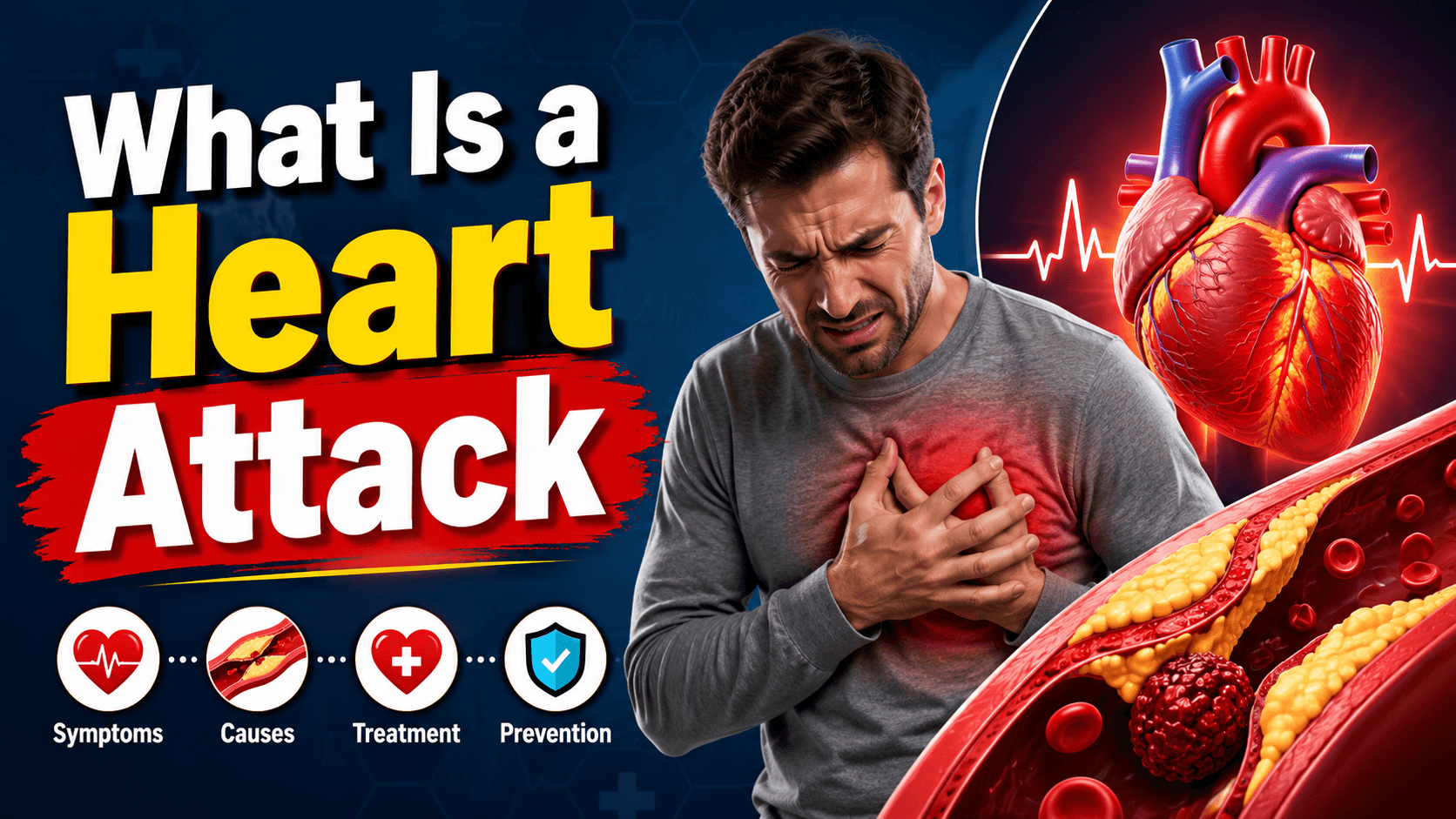
What Is a Heart Attack?
A heart attack, also known as a myocardial infarction, is a life-threatening medical emergency that happens when the blood flow to part of the heart muscle is blocked. Because the heart needs a continuous supply of oxygen-rich blood to work properly, even a short interruption can damage the heart muscle. If treatment is delayed, the damage may become permanent.
Unlike many other health conditions, a heart attack requires immediate medical attention. The sooner treatment begins, the better the chances of saving the heart muscle and preventing serious complications.
How Does a Heart Attack Happen?
The heart relies on the coronary arteries to receive the oxygen and essential nutrients required for healthy function. When one of these arteries becomes blocked, the heart muscle cannot receive enough oxygen.
This usually happens in the following steps:
- Fatty deposits (plaque) gradually build up inside the coronary arteries.
- The plaque may suddenly rupture or break open.
- A blood clot forms around the ruptured plaque.
- The clot blocks the artery completely or partially.
- The blocked artery stops oxygen-rich blood from reaching the heart muscle.
- When the heart is deprived of oxygen, the affected muscle tissue can begin to suffer permanent damage within minutes.
This is what doctors refer to as a heart attack.
Heart Attack vs. Cardiac Arrest
Many people believe these two conditions are the same, but they are different.
Heart Attack
- Blood flow to the heart muscle is blocked.
- The heart usually continues beating.
- It is caused by blocked coronary arteries.
Cardiac Arrest
- The heart suddenly stops beating because of an electrical problem.
- Blood stops circulating throughout the body.
- It requires immediate CPR and defibrillation.
A severe heart attack can sometimes lead to cardiac arrest if it affects the heart’s electrical system.
Why Is a Heart Attack So Dangerous?
A heart attack can become fatal if it is not treated quickly. Every minute without proper blood flow increases the amount of damage to the heart muscle.
Possible complications include:
- Permanent heart muscle damage
- Heart failure
- Abnormal heart rhythms (arrhythmias)
- Cardiogenic shock
- Sudden cardiac death
Quick medical treatment can significantly reduce these risks.
Who Can Have a Heart Attack?
Although heart attacks are more common in older adults, they can occur at almost any age. Certain health conditions and lifestyle habits greatly increase the risk.
Common risk factors include:
- High blood pressure
- High cholesterol
- Diabetes
- Smoking or tobacco use
- Obesity
- Lack of regular exercise
- Unhealthy diet
- Chronic stress
- Excessive alcohol consumption
- Family history of heart disease
- Increasing age
Having one or more of these risk factors does not guarantee a heart attack, but it does increase the likelihood.
Why Early Recognition Matters
Recognizing a heart attack early can save a person’s life. Many people confuse the early warning signs with indigestion, muscle pain, or ordinary fatigue, which can delay timely medical treatment. Delaying medical care can lead to severe heart damage.
If you or someone nearby experiences symptoms such as chest pain, pressure, shortness of breath, pain spreading to the arm or jaw, cold sweats, or sudden dizziness, call emergency medical services immediately. Never ignore these warning signs.
Key Takeaways
To better understand a heart attack, remember these important points:
- A heart attack occurs when the blood supply to part of the heart muscle becomes blocked, preventing oxygen from reaching the tissue.
- The majority of heart attacks result from plaque accumulation and blood clots that obstruct the coronary arteries.
- Without oxygen, heart muscle cells begin to die quickly.
- Immediate treatment can save heart muscle and reduce complications.
- Healthy lifestyle choices and regular medical checkups can lower the risk of future heart attacks.
Understanding what a heart attack is is the first step toward protecting your heart. Knowing how it happens, who is at risk, and why early treatment is essential can help you respond quickly in an emergency and may even save a life.
Common Symptoms of a Heart Attack
A heart attack does not always begin with sudden, severe chest pain. Some people experience mild symptoms that gradually become worse, while others develop intense pain without warning. The symptoms can also vary depending on a person’s age, gender, and overall health.
Recognizing the warning signs early is one of the best ways to reduce heart damage and improve the chances of survival.
Most Common Heart Attack Symptoms
The following are the symptoms most people experience during a heart attack:
- Chest pain or pressure – A feeling of tightness, squeezing, heaviness, or burning in the center or left side of the chest.
- Pain spreading to other parts of the body – The discomfort may move to the left arm, both arms, shoulders, neck, jaw, or back.
- Shortness of breath – Difficulty breathing may occur before, during, or after chest pain.
- Cold sweats – Sudden sweating without physical activity is a common warning sign.
- Nausea or vomiting – Some people feel sick to their stomach or may vomit.
- Dizziness or lightheadedness – Feeling faint or losing balance can occur when the heart cannot pump blood effectively.
- Unusual fatigue – Extreme tiredness without a clear reason, especially in women, may appear hours or even days before a heart attack.
Symptoms in Women
Women often experience symptoms that are different from the classic chest pain many people expect.
These may include:
- Unusual fatigue
- Shortness of breath
- Discomfort that spreads to the neck, jaw, shoulder, or upper back.
- Nausea or vomiting
- Indigestion-like discomfort
- Lightheadedness
- Mild chest pressure instead of severe pain
Because these symptoms can be subtle, many women delay seeking medical care, increasing the risk of serious complications.
Symptoms That Should Never Be Ignored
Seek emergency medical help right away if you experience any of the following warning signs:
- Chest pain lasting more than a few minutes
- Pain that comes and goes repeatedly
- Severe pressure or tightness in the chest
- Pain that extends to the arm, neck, jaw, shoulder, or upper back.
- Difficulty breathing
- Sudden cold sweats
- Fainting or loss of consciousness
Even if you are unsure whether it is a heart attack, it is always safer to get checked by a healthcare professional.
What Should You Do During a Heart Attack?
If you believe that you or someone nearby may be having a heart attack:
- Call emergency medical services immediately.
- Stay calm and avoid unnecessary movement.
- Sit down and rest while waiting for medical help.
- If advised by a healthcare professional, chew an aspirin (only if it is safe and there is no allergy or medical reason to avoid it).
- Do not ignore the symptoms or try to drive yourself to the hospital if emergency services are available.
Key Takeaways
Keep these important points in mind:
- Chest pain is the most common symptom, but not everyone experiences it.
- Women, older adults, and individuals with diabetes often experience less typical heart attack symptoms.
- Shortness of breath, nausea, cold sweats, and dizziness can also signal a heart attack.
- Every minute counts—getting immediate medical care can save your life and reduce heart damage.
Learning to recognize the common symptoms of a heart attack can help you act quickly during an emergency. Early diagnosis and treatment are the most effective ways to protect the heart and improve recovery.
What Causes a Heart Attack?
A heart attack rarely occurs suddenly without an underlying cause. In most cases, it develops after years of gradual damage and narrowing of the coronary arteries. Knowing what causes a heart attack can help you make healthier lifestyle choices and reduce your risk of serious heart disease.
The leading cause of a heart attack is coronary artery disease (CAD), where the arteries supplying blood to the heart gradually become narrowed or blocked.
1. Coronary Artery Disease (CAD)
Coronary artery disease is responsible for most heart attacks worldwide.
It develops when:
- Cholesterol
- Fat
- Calcium
- Other substances in the blood
Fatty deposits slowly accumulate within the coronary arteries, creating plaque over time.
As plaque builds up over time, the arteries become narrower, restricting blood flow to the heart muscle. If the plaque suddenly breaks open, a blood clot forms around it. The clot can completely block the artery, causing a heart attack.
2. High Cholesterol Levels
Elevated LDL (“bad”) cholesterol promotes plaque buildup inside the arteries, increasing the risk of blockages.
If high cholesterol is left untreated for years, it can:
- Narrow the coronary arteries
- Reduce oxygen-rich blood flow
- Increase the risk of blood clot formation
- Raise the chances of a heart attack
Keeping cholesterol within a healthy range is one of the best ways to protect the heart.
3. High Blood Pressure
High blood pressure makes the heart work harder than it normally should, increasing strain on the heart and blood vessels.
Over time, it can:
- Damage artery walls
- Make plaque buildup more likely
- Increase strain on the heart
- Raise the risk of heart attack and stroke
Since high blood pressure often has no obvious symptoms, regular health checkups are essential for early detection and timely treatment.
4. Smoking and Tobacco Use
Smoking is one of the biggest preventable causes of heart attacks.
Tobacco chemicals can:
- Damage blood vessels
- Lower oxygen levels in the blood
- Increase blood pressure
- Make blood more likely to clot
Exposure to secondhand smoke can also raise the risk of developing heart disease.
5. Diabetes
Having diabetes greatly increases the likelihood of developing heart disease.
High blood sugar can:
- Damage blood vessels
- Increase inflammation
- Speed up plaque buildup
- Affect blood circulation
Proper diabetes management helps reduce the risk of heart attack.
6. Unhealthy Lifestyle Habits
Certain everyday lifestyle habits can quietly raise the risk of developing heart disease.
These include:
- Frequently consuming foods high in saturated fat, salt, and added sugar.
- Lack of regular physical activity
- Being overweight or obese
- Excessive alcohol consumption
- Poor sleep habits
- Long-term stress
Small, consistent lifestyle changes can greatly lower your risk of a heart attack over time.
7. Other Risk Factors
Although some risk factors cannot be changed, recognizing them helps identify individuals who are more likely to develop heart disease.
These include:
- Increasing age
- Family history of heart disease
- Being male (at younger ages)
- Post-menopausal women
- Chronic kidney disease
- Inflammatory conditions
People with these risk factors should pay extra attention to their heart health and follow regular medical advice.
Can a Heart Attack Be Prevented?
Although not every heart attack can be prevented, many cases can be avoided through healthy habits.
Simple preventive steps include:
- Eat a heart-healthy diet rich in fruits, vegetables, and whole grains.
- Exercise for at least 150 minutes per week.
- Stop smoking and avoid tobacco products.
- Maintain a healthy body weight.
- Control blood pressure, cholesterol, and diabetes.
- Manage stress through relaxation and adequate sleep.
- Schedule regular medical checkups.
Key Takeaways
Remember these important facts:
- Coronary artery disease remains the most common cause of heart attacks.
- Plaque deposits and blood clots may partially or completely obstruct blood flow to the heart muscle.
- High cholesterol, high blood pressure, smoking, and diabetes greatly increase the risk.
- An unhealthy lifestyle can silently damage the heart over many years.
- Maintaining healthy daily habits and getting regular medical checkups are among the most effective ways to reduce your risk.
Understanding the causes of a heart attack is the first step toward prevention. By controlling risk factors and adopting a healthier lifestyle, you can significantly reduce your chances of developing heart disease and protect your heart for years to come.
Who Is Most at Risk of a Heart Attack?
Although a heart attack can happen to anyone, certain individuals are at a significantly greater risk than others. Certain medical conditions, lifestyle habits, and family history can increase the chances of developing heart disease over time. Knowing these risk factors allows you to take preventive steps before a serious problem occurs.
Some risk factors can be controlled through healthy lifestyle changes, while others, such as age and genetics, cannot be changed. Understanding both types is essential for protecting your heart.
Major Risk Factors You Can Control
Many of the biggest heart attack risks are linked to daily habits and overall health.
These include:
- High Blood Pressure (Hypertension) – Over time, elevated blood pressure can harm the arteries and force the heart to work harder than normal.
- High Cholesterol – Excess LDL (“bad”) cholesterol can accumulate in the arteries, restricting blood flow to the heart.
- Diabetes – High blood sugar damages blood vessels and significantly increases the risk of heart disease.
- Smoking or tobacco use – Smoking narrows blood vessels, reduces oxygen levels, and increases blood clot formation.
- Obesity or excess body weight – Being overweight places additional strain on the heart and often leads to other health conditions.
- Physical inactivity – A lack of regular exercise weakens the heart and contributes to high blood pressure, obesity, and diabetes.
- Unhealthy diet – Diets high in saturated fats, trans fats, processed foods, salt, and added sugars increase cardiovascular risk.
- Chronic stress – Long-term stress may contribute to high blood pressure, unhealthy eating habits, and poor sleep.
The good news is that improving these factors can greatly reduce the risk of a heart attack.
Risk Factors You Cannot Control
Some heart attack risk factors are beyond your control, but being aware of them helps you take extra precautions.
These include:
- Age – The risk increases as people get older, especially after the age of 45 for men and 55 for women.
- Family history – Having a close relative with early heart disease increases your own risk.
- Gender – Men generally develop heart disease earlier than women, although women’s risk rises after menopause.
- Genetic factors – Certain inherited conditions can increase cholesterol levels or affect blood vessel health.
Although these risks cannot be changed, regular medical checkups and a healthy lifestyle can help reduce their impact.
Lifestyle Habits That Increase Heart Attack Risk
Everyday choices play a major role in heart health.
Habits that may increase your risk include:
- Smoking cigarettes or using other tobacco products
- Drinking excessive amounts of alcohol
- Eating fast food frequently
- Spending long hours sitting without exercise
- Sleeping less than 7 hours regularly
- Ignoring stress and mental health
- Skipping routine health screenings
Changing even a few of these habits can improve heart health over time.
Who Should Get Regular Heart Checkups?
Regular health screenings are especially important for people who:
- Have high blood pressure or diabetes
- Have high cholesterol levels
- Are overweight or obese
- Smoke or previously smoked
- Have a family history of heart disease
- Are over the age of 40
- Experience chest discomfort or shortness of breath during physical exertion.
Early detection allows doctors to identify problems before they become life-threatening.
How to Lower Your Risk
Even if you have several risk factors, there are many ways to protect your heart.
You can reduce your risk by:
- Eating a balanced, heart-healthy diet
- Try to get at least 30 minutes of physical activity on most days of the week.
- Maintaining a healthy body weight
- Quitting smoking completely
- Limiting alcohol intake
- Managing stress through relaxation techniques
- Getting enough sleep every night
- Taking prescribed medications as directed by your doctor
- Scheduling regular medical checkups
These simple habits can significantly improve long-term heart health.
Key Takeaways
Remember these important points:
- Anyone can have a heart attack, but some people are at much higher risk.
- High blood pressure, diabetes, smoking, obesity, and high cholesterol are the biggest controllable risk factors.
- Age, family history, and genetics also play an important role.
- Healthy daily habits can lower the risk even if you have inherited risk factors.
- Regular health screenings help detect problems early and improve treatment outcomes.
Understanding who is most at risk of a heart attack empowers you to make informed decisions about your health. Whether your risk is high or low, adopting a healthier lifestyle today can help protect your heart, reduce future complications, and improve your overall quality of life.
How Is a Heart Attack Diagnosed?
Diagnosing a heart attack quickly is extremely important because early treatment can reduce heart damage and improve survival. When a person arrives at the hospital with symptoms such as chest pain, shortness of breath, or pain spreading to the arm or jaw, doctors begin a series of tests to confirm whether a heart attack is occurring.
No single test is enough in every case. Instead, healthcare providers combine the patient’s symptoms, medical history, physical examination, and several diagnostic tests to make an accurate diagnosis.
1. Medical History and Physical Examination
The first step involves asking about the person’s symptoms, medical history, and overall health.
Doctors may ask questions such as:
- When did the chest pain start?
- How long has the pain lasted?
- Does the pain spread to the arm, neck, jaw, or back?
- Have you experienced nausea, dizziness, or shortness of breath?
- Do you have diabetes, high blood pressure, or high cholesterol?
- Is there a family history of heart disease?
During the physical examination, the doctor may also assess:
- Blood pressure
- Heart rate
- Breathing
- Oxygen levels
- Heart and lung sounds
This information helps the doctor determine how serious the condition may be and how quickly treatment is needed.
2. Electrocardiogram (ECG or EKG)
An Electrocardiogram (ECG) is usually the first test performed when a heart attack is suspected.
This painless test measures the heart’s electrical activity and helps identify:
- Reduced blood flow to the heart
- Damage to the heart muscle
- Abnormal heart rhythms (arrhythmias)
- Signs of a current or previous heart attack
An ECG takes only a few minutes and often provides valuable information immediately.
3. Blood Tests
When heart muscle cells are damaged, they release certain proteins into the bloodstream.
Doctors commonly measure:
- Cardiac Troponin (the most accurate marker)
- CK-MB (Creatine Kinase-MB) in some cases
High troponin levels strongly suggest heart muscle injury and help confirm the diagnosis.
Blood tests may be repeated several times over a few hours because these markers rise gradually after a heart attack begins.
4. Imaging Tests
If additional information is needed, doctors may recommend imaging studies.
Common imaging tests include:
- Echocardiogram (Heart Ultrasound) – Shows how well the heart is pumping and identifies damaged areas.
- Chest X-ray – Helps rule out other causes of chest pain and checks the size of the heart.
- Cardiac CT Scan – Creates detailed images of the heart and coronary arteries.
- Cardiac MRI – Provides detailed information about heart muscle damage and blood flow.
These tests help doctors assess the severity of the condition and guide the most appropriate treatment.
5. Coronary Angiography
Coronary angiography is one of the most important procedures for identifying blocked coronary arteries.
During this procedure:
- A thin, flexible catheter is carefully inserted through an artery in the wrist or groin.
- A special contrast dye is injected into the coronary arteries to make them clearly visible on X-ray images.
- X-ray images show where blood flow is blocked.
If a blockage is found, doctors may immediately perform angioplasty and place a stent to restore blood flow.
When Should You Seek Medical Help?
Never ignore possible heart attack symptoms.
Seek emergency medical care immediately if you experience:
- Chest pain lasting more than a few minutes
- Chest pressure or tightness
- Pain spreading to the left arm, shoulder, neck, jaw, or back
- Difficulty breathing
- Cold sweats
- Sudden nausea or vomiting
- Severe dizziness or fainting
Early diagnosis greatly increases the chances of successful treatment.
Key Takeaways
Keep these important facts in mind:
- A heart attack is diagnosed using symptoms, medical history, physical examination, and specialized tests.
- An ECG is typically the first diagnostic test performed during a suspected heart attack emergency.
- Blood tests, especially cardiac troponin, help confirm heart muscle damage.
- Imaging tests provide detailed information about heart function and blocked arteries.
- Coronary angiography can identify blockages and often allows immediate treatment with angioplasty and a stent.
Recognizing symptoms early and seeking immediate medical care gives doctors the best opportunity to diagnose a heart attack quickly and begin life-saving treatment. Fast diagnosis not only improves survival but also helps protect the heart from permanent damage and supports a better recovery.
Treatment and Recovery Options
A heart attack is a serious medical emergency that requires immediate treatment to save lives. The main goal of treatment is to restore blood flow to the heart as quickly as possible, reduce damage to the heart muscle, and prevent future complications. Thanks to modern medical advancements, many people recover successfully after a heart attack when they receive prompt care.
Recovery does not end after leaving the hospital. It also involves lifestyle changes, medications, and regular follow-up appointments to keep the heart healthy.
Emergency Treatment for a Heart Attack
Once a heart attack is confirmed or strongly suspected, doctors may begin treatment immediately.
Common emergency treatments include:
- Aspirin – Helps prevent blood clots from getting bigger.
- Blood-thinning medications – Reduce the risk of new clots forming.
- Nitroglycerin – Improves blood flow and helps relieve chest pain.
- Pain-relieving medicines – Reduce discomfort and lower stress on the heart.
- Oxygen Therapy – Oxygen may be provided if blood oxygen levels are lower than normal.
These treatments help stabilize the patient before additional procedures are performed.
Medical Procedures
Some people need procedures to reopen blocked coronary arteries.
The most common treatments are:
Coronary Angioplasty and Stent Placement
During this procedure:
- A thin catheter is inserted through an artery.
- A small balloon is inflated to open the blocked artery.
- A stent (small mesh tube) is placed to keep the artery open and improve blood flow.
This is considered one of the most effective treatment options for many heart attack patients.
Coronary Artery Bypass Surgery (CABG)
If multiple arteries are severely blocked, doctors may recommend bypass surgery.
In this operation:
- A healthy blood vessel taken from another part of the body is used to bypass the blocked artery.
- Blood is redirected around the blocked artery.
- This improves blood flow to the heart muscle.
Recovery After a Heart Attack
Recovery takes time and varies from person to person. Most patients can return to normal activities gradually with proper medical guidance.
Doctors usually recommend:
- Getting enough rest during the first few weeks.
- Taking all prescribed medications exactly as directed.
- Attending follow-up medical appointments.
- Participating in a cardiac rehabilitation program, if available.
- Gradually increasing physical activity under medical supervision.
Cardiac rehabilitation combines exercise, education, and counseling to help improve heart health and reduce the risk of another heart attack.
Lifestyle Changes for Long-Term Recovery
Healthy habits play an important role in preventing future heart problems.
These include:
- Maintain a heart-healthy diet by eating plenty of fruits, vegetables, whole grains, and lean protein.
- Exercise regularly after receiving approval from your doctor.
- Quit smoking completely.
- Limit alcohol intake.
- Maintain a healthy body weight.
- Control blood pressure, cholesterol, and diabetes.
- Manage stress through relaxation techniques, meditation, or yoga.
- Get 7–9 hours of quality sleep every night.
Key Takeaways
Remember these important points:
- Immediate treatment can save heart muscle and improve survival.
- Medications, angioplasty, stent placement, or bypass surgery may be needed depending on the severity of the blockage.
- Recovery continues even after leaving the hospital and requires regular follow-up care.
- Cardiac rehabilitation helps patients recover safely and regain strength.
- A healthy lifestyle greatly reduces the risk of another heart attack and supports long-term heart health.
With timely medical treatment, proper recovery, and lifelong healthy habits, many people can return to an active and fulfilling life after a heart attack. Following your healthcare provider’s advice and making positive lifestyle changes are the best ways to protect your heart and improve your overall well-being.
How to Prevent a Heart Attack
Although not every heart attack can be prevented, the good news is that many cases are linked to lifestyle and health conditions that can be managed. By making healthy daily choices and keeping common risk factors under control, you can significantly reduce your chances of developing heart disease and improve your overall quality of life.
Heart attack prevention is not about making one big change—it is about building healthy habits that protect your heart every day.
Follow a Heart-Healthy Diet
A well-balanced diet is one of the best ways to support long-term heart health.
Try to include:
- Fresh fruits and vegetables
- Whole grains
- Lean proteins such as fish, chicken, and beans
- Nuts and seeds in moderation
- Low-fat dairy products
- Healthy fats from foods like olive oil and avocados
Limit foods that are high in:
- Saturated fat
- Trans fat
- Salt (sodium)
- Added sugar
- Processed and fast foods
Eating nutritious meals can help control cholesterol, blood pressure, and body weight.
Stay Physically Active
Regular exercise strengthens the heart and improves blood circulation.
Aim for at least:
- 150 minutes of moderate exercise each week, or
- 75 minutes of vigorous physical activity each week
Simple activities include:
- Walking
- Cycling
- Swimming
- Jogging
- Dancing
Even small amounts of daily movement are better than remaining inactive.
Avoid Smoking and Limit Alcohol
Smoking greatly increases the risk of heart disease and other cardiovascular conditions.
Quitting smoking can:
- Improve blood circulation
- Lower blood pressure
- Reduce the risk of blood clots
- Improve lung function
- Decrease the risk of another heart attack
If you drink alcohol, do so only in moderation or follow your healthcare provider’s recommendations.
Manage Medical Conditions
Several health problems increase the risk of heart attacks if left untreated.
Work with your healthcare provider to manage:
- High blood pressure
- High cholesterol
- Diabetes
- Obesity
- Chronic kidney disease
Take prescribed medications regularly and never stop treatment without medical advice.
Reduce Stress and Get Enough Sleep
Long-term stress and poor sleep can negatively affect heart health.
Healthy ways to reduce stress include:
- Meditation
- Deep breathing exercises
- Yoga
- Spending time with family and friends
- Enjoying hobbies
- Taking regular breaks from work
Also, aim for 7–9 hours of quality sleep every night, as poor sleep is linked to high blood pressure and heart disease.
Schedule Regular Health Checkups
Routine medical checkups help detect health problems before they become serious.
Your doctor may monitor:
- Blood pressure
- Cholesterol levels
- Blood sugar
- Body weight
- Heart function
Early detection allows timely treatment and lowers the risk of future heart attacks.
Key Takeaways
Keep these prevention tips in mind:
- Eat a balanced, heart-healthy diet every day.
- Exercise regularly and maintain a healthy weight.
- Avoid smoking and limit alcohol consumption.
- Control blood pressure, cholesterol, and diabetes.
- Manage stress and get enough sleep.
- Visit your doctor regularly for preventive health checkups.
Preventing a heart attack starts with the choices you make today. Small but consistent lifestyle changes can have a powerful impact on your heart health. Staying physically active, eating a nutritious diet, avoiding unhealthy habits, and properly managing medical conditions can significantly reduce your risk of heart disease and help you live a longer, healthier life.
Conclusion
A heart attack is one of the most serious medical emergencies, but understanding its causes, symptoms, risk factors, diagnosis, treatment, and prevention can make a life-saving difference. While anyone can experience a heart attack, many cases can be prevented through healthy lifestyle choices, regular medical checkups, and proper management of conditions such as high blood pressure, high cholesterol, and diabetes.
Recognizing the warning signs early is especially important. Symptoms like chest pain, shortness of breath, pain spreading to the arm or jaw, cold sweats, and sudden dizziness should never be ignored. Getting immediate medical care can limit heart damage, improve the chances of recovery, and potentially save a person’s life.
Modern treatments, including medications, angioplasty, stent placement, and bypass surgery, have greatly improved survival rates. However, long-term recovery depends on adopting heart-healthy habits such as eating a balanced diet, exercising regularly, avoiding smoking, managing stress, maintaining a healthy weight, and following your doctor’s advice.
Remember, protecting your heart is a lifelong commitment. Even small daily changes can significantly reduce your risk of heart disease and improve your overall health. By staying informed, recognizing symptoms early, and taking preventive measures, you can protect your heart, support your well-being, and enjoy a healthier, more active life for years to come.
Frequently Asked Questions
Q1. What is a heart attack?
Answer: A heart attack is a medical emergency that occurs when blood flow to part of the heart muscle is blocked, usually due to a blood clot in a coronary artery. Without enough oxygen, the affected heart muscle begins to suffer damage and may die if treatment is delayed.
Q2. What are the first signs of a heart attack?
Answer: The most common early signs include chest pain or pressure, pain spreading to the left arm, neck, jaw, or back, shortness of breath, cold sweats, nausea, dizziness, and unusual fatigue. Symptoms can vary from person to person.
Q3. What causes a heart attack?
Answer: Most heart attacks are caused by coronary artery disease, where fatty deposits (plaque) build up inside the arteries. When a plaque ruptures, a blood clot can form and block blood flow to the heart.
Q4. Who is most at risk of having a heart attack?
Answer: People with high blood pressure, high cholesterol, diabetes, obesity, or a family history of heart disease have a higher risk. Smoking, lack of exercise, unhealthy eating habits, and increasing age also increase the risk.
Q5. Can young people have a heart attack?
Answer: Yes. Although heart attacks are more common in older adults, younger people can also experience them, especially if they smoke, have obesity, diabetes, high cholesterol, high blood pressure, or a strong family history of heart disease.
Q6. How is a heart attack diagnosed?
Answer: Doctors diagnose a heart attack using your symptoms, physical examination, an electrocardiogram (ECG), blood tests such as cardiac troponin, and imaging tests. In many cases, coronary angiography is performed to locate blocked arteries.
Q7. What should I do if I think someone is having a heart attack?
Answer: Call emergency medical services immediately. Help the person sit comfortably, keep them calm, and follow emergency instructions. Do not ignore the symptoms or wait for them to go away, as early treatment can save a life.
Q8. Can a heart attack be treated successfully?
Answer: Yes. With prompt medical care, many heart attacks can be treated successfully using medications, angioplasty with stent placement, or coronary artery bypass surgery. Early treatment greatly improves survival and recovery.
Q9. How long does it take to recover from a heart attack?
Answer: Recovery time varies depending on the severity of the heart attack and the treatment received. Many people recover within a few weeks to a few months by following their doctor’s advice, taking prescribed medications, and making healthy lifestyle changes.
Q10. How can I reduce my risk of a heart attack?
Answer: You can lower your risk by eating a heart-healthy diet, exercising regularly, maintaining a healthy weight, quitting smoking, limiting alcohol, controlling blood pressure, cholesterol, and diabetes, managing stress, and having regular medical checkups.
Q11. Is a heart attack the same as cardiac arrest?
Answer: No. A heart attack occurs when blood flow to the heart muscle is blocked, while cardiac arrest happens when the heart suddenly stops beating because of an electrical problem. However, a severe heart attack can sometimes lead to cardiac arrest.