
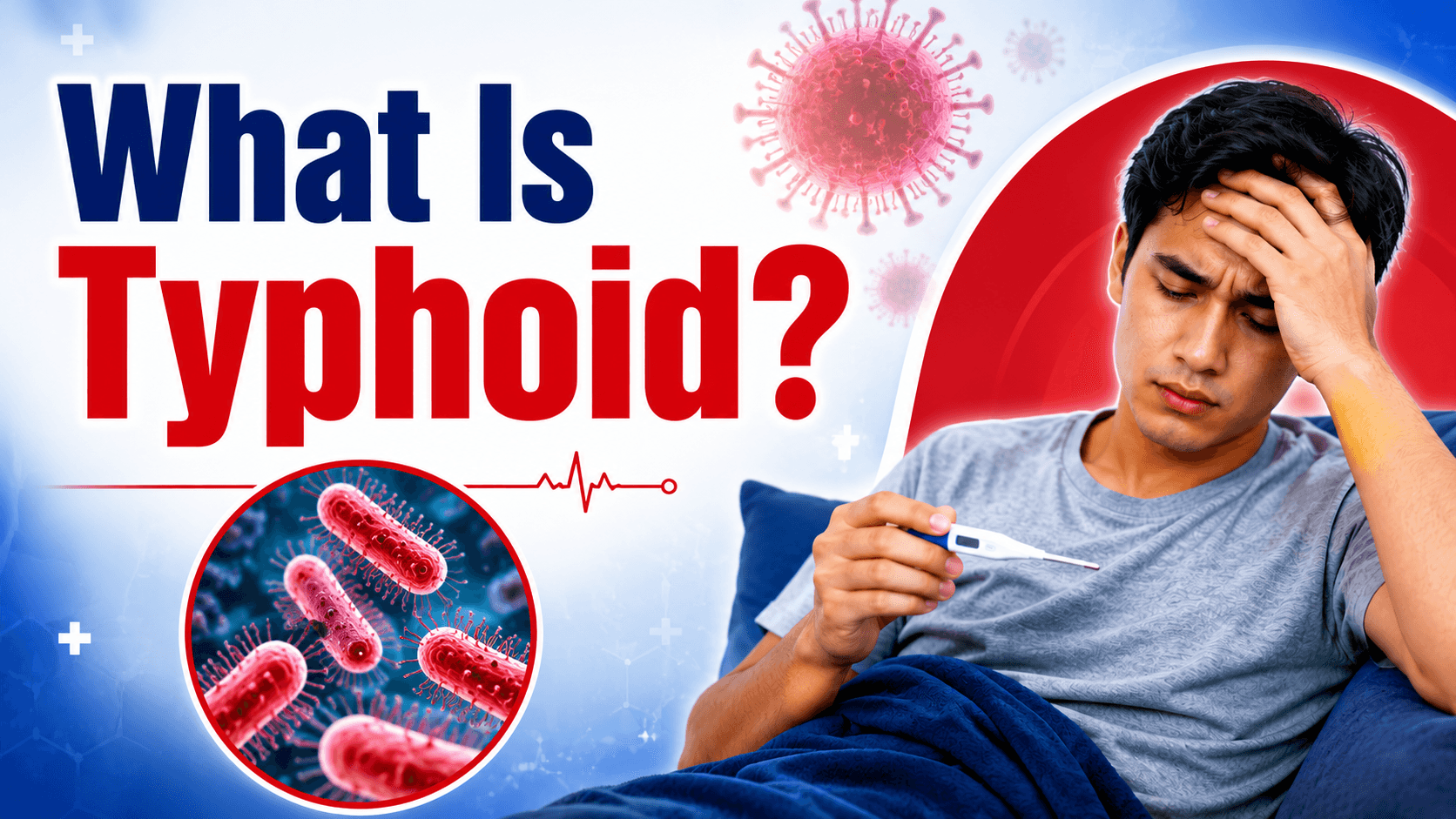
What Is Typhoid?
Typhoid is a potentially life-threatening illness that develops when the Salmonella Typhi bacterium infects the body. It mainly affects the digestive system and bloodstream, leading to a high fever, weakness, stomach discomfort, and several other symptoms. Although typhoid is less common in countries with good sanitation, it remains a significant public health problem in many developing regions where access to clean drinking water and proper hygiene is limited.
The infection spreads when a person consumes food or water contaminated with the feces of someone carrying the Salmonella Typhi bacteria. In some cases, infected individuals may continue to carry the bacteria even after recovering, allowing the disease to spread if proper hygiene is not maintained.
Key Facts About Typhoid
- Cause: The disease is caused by the bacterium Salmonella Typhi.
- Transmission: It spreads through contaminated food, water, or close contact with an infected person.
- Affected Areas: The bacteria primarily attack the intestines and can spread into the bloodstream.
- Common Risk: People living in or traveling to areas with poor sanitation are at higher risk.
- Treatment: Most cases can be treated successfully with appropriate antibiotics and supportive care.
Unlike common stomach infections, typhoid usually develops gradually. Symptoms often begin within 6 to 30 days after exposure to the bacteria. Typhoid usually starts with a low-grade fever and a feeling of tiredness, but without timely treatment, it can progress to a prolonged high fever and more severe health problems.
How Typhoid Affects the Body
Once Salmonella Typhi enters the body, it travels through the digestive tract and reaches the intestines. The bacteria then pass into the bloodstream, where they multiply and spread to different organs. As the infection progresses, it can affect the liver, spleen, gallbladder, and other parts of the body.
During this process, the immune system reacts to fight the bacteria, which causes symptoms such as:
- Persistent high fever
- Weakness and fatigue
- Headache
- Loss of appetite
- Abdominal pain
- Digestive problems such as constipation or diarrhea
Without timely treatment, the infection may damage the intestinal lining and increase the risk of severe complications.
Who Is Most at Risk?
Anyone can develop typhoid, but certain groups have a higher chance of becoming infected.
People at greater risk include:
- Individuals living in areas with poor sanitation.
- Travelers visiting countries where typhoid is common.
- Children, who are often more vulnerable to infection.
- People who consume untreated water or unhygienically prepared food.
- Family members or caregivers who have close contact with infected individuals.
Good hygiene practices and access to clean water significantly reduce the risk of infection.
Is Typhoid Contagious?
Yes. Typhoid is considered a contagious disease because the bacteria can spread from one person to another through the fecal-oral route. This means that if an infected person does not wash their hands properly after using the toilet, the bacteria can contaminate food, drinks, or surfaces that others may touch.
However, typhoid does not usually spread through coughing, sneezing, or casual contact like shaking hands. Practicing good hand hygiene, preparing food safely, and using clean drinking water are the best ways to reduce the spread of typhoid.
Why Early Diagnosis Matters
Recognizing typhoid early is important because prompt treatment greatly reduces the risk of serious complications. Antibiotics prescribed by a healthcare provider can clear the infection, while staying well hydrated, getting enough rest, and eating a nutritious diet help promote recovery.
Ignoring symptoms or delaying treatment can allow the infection to worsen, increasing the likelihood of complications such as intestinal bleeding, intestinal perforation, or bloodstream infection. Seeking medical attention as soon as symptoms appear is the safest approach.
Understanding what typhoid is and how it spreads is the first step toward protecting yourself and your family. Maintaining proper hygiene, drinking safe water, eating well-cooked food, and seeking timely medical care can significantly reduce the risk of infection and help ensure a faster recovery if the disease occurs.
What Causes Typhoid Fever?
Typhoid fever develops when Salmonella Typhi bacteria enter the body after a person consumes contaminated food or drinks. Unlike viruses that spread through the air, Salmonella Typhi primarily spreads through the fecal-oral route, meaning the bacteria from an infected person’s stool can contaminate food, water, or surfaces if proper hygiene is not followed.
The disease is closely linked to poor sanitation, unsafe drinking water, and inadequate food hygiene. It is more common in regions where access to clean water and proper sewage systems is limited. However, anyone can contract typhoid by consuming contaminated food or water, regardless of where they live.
The Main Cause of Typhoid
The direct cause of typhoid fever is infection with Salmonella Typhi bacteria. Once the bacteria enter the body through the mouth, they travel to the intestines, multiply, and then enter the bloodstream. From there, they can spread to different organs, causing a wide range of symptoms and, if untreated, serious complications.
Unlike many foodborne illnesses that improve within a few days, typhoid can continue to worsen over time without proper medical treatment.
Common Ways Typhoid Spreads
There are several ways the bacteria can spread from one person to another.
1. Drinking Contaminated Water
Unsafe drinking water is one of the leading sources of typhoid infection. Water contaminated with human waste may contain Salmonella Typhi, allowing the bacteria to enter the body when consumed.
2. Eating Contaminated Food
Food can become contaminated when:
- It is prepared by someone who is infected and does not wash their hands properly.
- Fruits and vegetables are washed with contaminated water.
- Raw or undercooked foods are handled in unhygienic conditions.
- Food is stored improperly, allowing bacteria to multiply.
Street food prepared under poor sanitary conditions may also increase the risk of infection.
3. Poor Hand Hygiene
Not washing hands thoroughly after using the toilet or before preparing meals can spread bacteria to food, kitchen utensils, and other people.
Good hand hygiene remains one of the simplest and most effective ways to reduce the risk of typhoid.
4. Close Contact with an Infected Person
Although typhoid is not usually spread through coughing or sneezing, close contact with someone who is infected can increase the risk if hygiene practices are poor. Sharing contaminated food or drinks may also contribute to transmission.
Who Is More Likely to Get Typhoid?
Certain people have a higher risk of developing typhoid fever than others.
Higher-risk groups include:
- People living in areas with poor sanitation.
- Travelers visiting countries where typhoid is common.
- Children and teenagers.
- Individuals who drink untreated water.
- People who regularly eat food prepared in unhygienic conditions.
- Healthcare workers or caregivers who have close contact with infected patients.
These individuals should take extra precautions to lower their risk of infection.
Can Someone Spread Typhoid Without Feeling Sick?
Yes. Some people become chronic carriers, meaning they continue to carry Salmonella Typhi in their body even after recovering from the illness. These individuals may have no symptoms but can still spread the bacteria to others through poor hygiene.
This is one reason why proper handwashing and food safety are essential, even after recovery.
Factors That Increase the Risk of Infection
Several environmental and lifestyle factors can make typhoid more likely.
These include:
- Drinking untreated or unfiltered water.
- Poor sanitation and sewage disposal.
- Lack of regular handwashing.
- Eating raw or undercooked food.
- Consuming unpasteurized milk or dairy products.
- Traveling to regions where typhoid is widespread without taking precautions.
Managing these risk factors can greatly reduce the likelihood of developing a typhoid infection.
Why Prevention Is Important
Since typhoid spreads mainly through contaminated food and water, preventing exposure is the best defense. Washing hands with soap, drinking safe water, eating freshly cooked meals, and practicing good food hygiene can greatly reduce the risk of infection. In addition, typhoid vaccines are available for people traveling to areas where the disease is common, providing an extra layer of protection.
Understanding what causes typhoid fever helps people make safer choices in their daily lives. By maintaining proper hygiene, improving sanitation, and avoiding contaminated food and water, the spread of Salmonella Typhi can be significantly reduced, protecting both individuals and communities from this potentially serious infection.
Common Symptoms of Typhoid
Typhoid fever usually develops gradually rather than appearing suddenly. After a person is exposed to Salmonella Typhi, symptoms typically begin 6 to 30 days later. During the early stages, the illness may resemble the flu or a common viral infection, making it difficult to recognize. As the infection spreads through the bloodstream, symptoms can worsen and may require immediate medical attention.
Recognizing the warning signs early is important because timely diagnosis and treatment can reduce the risk of serious complications and help speed up recovery.
Early Symptoms of Typhoid
The first symptoms are often mild and gradually worsen over several days.
Common early symptoms include:
- Persistent fever that slowly increases over time
- Headache
- Weakness and fatigue
- Loss of appetite
- General body aches
- Feeling tired even after resting
- Chills or occasional sweating
Many people mistake these symptoms for a common viral illness. However, unlike a typical cold or flu, the fever associated with typhoid usually continues to rise and does not improve without proper treatment.
Digestive Symptoms
As the infection progresses, the digestive system becomes more affected.
You may experience:
- Abdominal pain or stomach cramps
- Constipation, especially in adults
- Diarrhea, which is more common in children
- Nausea
- Vomiting in some cases
- Bloating or a feeling of fullness
- Discomfort after eating
These symptoms occur because Salmonella Typhi multiplies in the intestines and causes inflammation, affecting normal digestion.
High Fever Is the Most Common Sign
One of the most recognizable symptoms of typhoid is a high, persistent fever, which may reach 103°F to 104°F (39.4°C to 40°C). Unlike many other infections where the fever comes and goes, typhoid fever often remains elevated for several days if left untreated.
The fever may be accompanied by:
- Excessive sweating
- Chills
- Extreme tiredness
- Dehydration
- Difficulty performing normal daily activities
A persistent high fever should never be ignored, especially if it occurs after travel to an area where typhoid is common or after consuming potentially contaminated food or water.
Less Common Symptoms
Some people may also develop additional symptoms, including:
- Dry cough
- Sore throat
- Muscle pain
- Joint pain
- Confusion or difficulty concentrating
- Weight loss due to poor appetite
- Swollen abdomen
In some cases, small pink-colored spots may appear on the chest or abdomen. These spots are known as rose spots and are considered a classic sign of typhoid, although they do not occur in everyone.
Symptoms That Require Immediate Medical Attention
Typhoid can become life-threatening if it is not treated promptly.
Seek medical care immediately if you experience:
- A fever above 103°F (39.4°C) that does not improve
- Severe abdominal pain
- Persistent vomiting
- Bloody stools or black stools
- Difficulty staying awake or confusion
- Severe dehydration, such as dizziness, dry mouth, or very little urine
- Difficulty breathing or chest pain
These symptoms may indicate serious complications and require urgent medical evaluation.
Symptoms in Children
The signs of typhoid in children can differ somewhat from those commonly seen in adults.
They commonly experience:
- High fever
- Diarrhea
- Vomiting
- Poor feeding or loss of appetite
- Irritability
- Weakness
- Sleepiness
Because children can become dehydrated more quickly, parents should seek medical advice if a child has a persistent fever along with digestive symptoms.
When Symptoms Start to Improve
With appropriate antibiotics, most people begin to feel better within 3 to 5 days after starting treatment. However, it is essential to complete the full course of prescribed medication, even if symptoms improve earlier. Stopping treatment too soon may allow the bacteria to survive, increasing the risk of relapse or antibiotic resistance.
Typhoid symptoms can range from mild to severe, and they often worsen gradually if left untreated. A persistent high fever, stomach discomfort, weakness, and digestive problems are among the most common warning signs. Recognizing these symptoms early and seeking prompt medical care can help prevent serious complications and support a faster, safer recovery.
How Is Typhoid Diagnosed?
Diagnosing typhoid fever as early as possible is essential for effective treatment and to prevent serious complications. Because the early symptoms of typhoid—such as fever, headache, fatigue, and stomach discomfort—are similar to those of many other infections, doctors cannot confirm the disease based on symptoms alone. Instead, they combine a physical examination, medical history, and laboratory tests to make an accurate diagnosis.
If you have recently traveled to an area where typhoid is common, consumed unsafe food or water, or had close contact with someone diagnosed with typhoid, be sure to inform your healthcare provider. This information can help guide the diagnostic process.
Medical History and Physical Examination
The first step in diagnosing typhoid is a detailed medical evaluation.
During the appointment, your doctor may ask questions such as:
- When did your fever and other symptoms begin?
- How high has your temperature been?
- Have you recently traveled to a country where typhoid is common?
- Have you eaten food or drunk water that may have been contaminated?
- Has anyone around you been diagnosed with typhoid fever?
- Are you experiencing diarrhea, constipation, vomiting, or abdominal pain?
The doctor will also perform a physical examination to look for signs that may suggest typhoid, including:
- Persistent high fever
- Tenderness in the abdomen
- Enlarged liver or spleen
- Signs of dehydration
- Skin rash (rose spots), although these are not present in every patient
Although these signs may suggest typhoid, laboratory tests are essential to accurately confirm the diagnosis.
Laboratory Tests Used to Diagnose Typhoid
Several laboratory tests can help identify Salmonella Typhi.
1. Blood Culture
A blood culture is considered one of the most reliable tests during the early stages of typhoid fever.
In this test:
- A small blood sample is collected.
- The collected sample is transferred to a specially prepared culture medium to encourage bacterial growth for testing.
- If Salmonella Typhi is present, the bacteria grow and can be identified.
This test also helps determine which antibiotics are most effective against the infection.
2. Stool Culture
A stool sample can be tested to determine whether Salmonella Typhi bacteria are present.
This test may be especially useful:
- Later in the course of the illness.
- During recovery.
- To identify people who continue to carry the bacteria without symptoms.
3. Urine Culture
Although used less frequently than blood or stool cultures, a urine culture may sometimes detect the bacteria and support the diagnosis.
4. Bone Marrow Culture
In certain situations, especially when blood culture results are negative but typhoid is still strongly suspected, doctors may recommend a bone marrow culture.
This test is considered highly accurate because the bacteria can remain in the bone marrow even after antibiotics have been started. However, it is generally reserved for complex or uncertain cases because it is more invasive.
What About the Widal Test?
The Widal test is a blood test used to identify antibodies produced by the immune system in response to Salmonella Typhi infection. It has been used for many years in some countries, but it has important limitations.
Results may be affected by:
- Previous typhoid vaccination
- Past infection
- Other bacterial illnesses
- False-positive or false-negative results
Because of these limitations, many healthcare providers prefer culture-based tests whenever possible.
Why Early Diagnosis Matters
Prompt diagnosis allows treatment to begin before the infection becomes severe.
Early diagnosis can help:
- Reduce the duration of illness.
- Lower the risk of complications.
- Prevent the spread of infection to others.
- Improve recovery with appropriate antibiotics.
- Reduce the chance of hospitalization.
Delaying diagnosis may allow the bacteria to spread further through the body, increasing the risk of intestinal bleeding, intestinal perforation, or bloodstream infection.
When Should You Get Tested?
You should seek medical evaluation if you have:
- A fever that continues for more than two or three days without improving.
- Fever combined with stomach pain or digestive problems.
- Recent travel to a region where typhoid is common.
- Exposure to contaminated food or drinking water.
- Close contact with someone diagnosed with typhoid fever.
Do not attempt to diagnose or treat typhoid on your own. Self-medicating with antibiotics without medical advice may delay proper treatment and contribute to antibiotic resistance.
Accurate diagnosis is the foundation of successful typhoid treatment. By combining a medical evaluation with laboratory tests such as blood cultures, stool cultures, and other appropriate investigations, healthcare providers can confirm the infection and recommend the most effective treatment plan. Seeking medical attention as soon as symptoms appear gives you the best chance of a full recovery while reducing the risk of serious complications.
Treatment Options for Typhoid
Typhoid fever is a serious bacterial infection, but with early diagnosis and proper treatment, most people recover completely. The primary goals of treatment are to eliminate the Salmonella Typhi bacteria, relieve symptoms, prevent complications, and reduce the risk of spreading the infection to others. The exact treatment plan depends on the severity of the illness, the patient’s age, overall health, and whether the bacteria are resistant to certain antibiotics.
Anyone with suspected typhoid should seek medical attention as soon as possible. Self-treating the infection or taking antibiotics without a prescription may lead to treatment failure and contribute to antibiotic resistance.
1. Antibiotics
Antibiotics are the main treatment for typhoid fever. They work by killing the Salmonella Typhi bacteria and stopping the infection from spreading further in the body.
A healthcare provider will choose an antibiotic based on factors such as:
- The severity of the infection.
- The patient’s age and medical history.
- Local patterns of antibiotic resistance.
- Laboratory test results, including culture and sensitivity testing when available.
It is essential to:
- Take the medication exactly as prescribed.
- Continue taking all prescribed antibiotics until the full course is finished, even if your symptoms improve before the medication is completed.
- Never share antibiotics with others.
- Avoid stopping treatment early, as this can lead to relapse or antibiotic-resistant bacteria.
Most people begin to feel better within 3 to 5 days after starting the correct antibiotic, but recovery times can vary.
2. Staying Hydrated
Typhoid fever can cause dehydration due to high fever, diarrhea, vomiting, or poor appetite. Replacing lost fluids is an important part of recovery.
To stay hydrated:
- Drink plenty of clean, safe water.
- Use oral rehydration solutions (ORS) if recommended.
- Sip fluids frequently if nausea is present.
- Include clear soups and electrolyte-rich drinks when appropriate.
People with severe dehydration may need intravenous (IV) fluids and hospital-based medical care.
3. Proper Nutrition
Eating nutritious foods helps the body fight infection and recover more quickly.
During recovery, many healthcare providers recommend:
- Soft, easy-to-digest meals.
- Freshly cooked foods.
- Fruits and vegetables that have been washed safely or cooked.
- Lean protein sources such as eggs, fish, or chicken.
- Whole grains if they are well tolerated.
It is generally best to avoid:
- Raw or undercooked foods.
- Spicy or greasy meals if they worsen stomach discomfort.
- Unpasteurized dairy products.
- Alcohol, as it may interfere with recovery.
If your appetite is poor, try eating smaller meals more frequently throughout the day.
4. Rest and Recovery
Typhoid places significant stress on the body, making adequate rest an essential part of treatment.
During recovery:
- Get plenty of sleep.
- Avoid strenuous physical activity.
- Return to work or school only after your healthcare provider advises it.
- Continue resting even if you start feeling better, as the body may still be healing.
Recovery may take several weeks in some cases, particularly after a severe infection.
5. Hospital Treatment for Severe Cases
Some patients require hospitalization, especially if complications develop or symptoms become severe.
Hospital care may include:
- Intravenous antibiotics.
- IV fluids to treat dehydration.
- Close monitoring of vital signs.
- Nutritional support.
- Treatment for complications such as intestinal bleeding or perforation.
Children, older adults, pregnant women, and people with weakened immune systems may be more likely to require hospital-based care.
6. Follow-Up Care
Even after symptoms disappear, follow-up appointments may be recommended to ensure the infection has cleared completely.
Your doctor may advise:
- Repeat stool testing in certain cases.
- Monitoring for recurring symptoms.
- Additional treatment if you become a chronic carrier of Salmonella Typhi.
People who work in food preparation, healthcare, or childcare may need medical clearance before returning to work.
Important Tips During Treatment
To aid recovery and help prevent the infection from spreading:
- Clean your hands thoroughly with soap and water after using the toilet and before preparing or touching food.
- Drink only safe, treated, or boiled water.
- Eat freshly cooked meals whenever possible.
- Avoid preparing food for others until your healthcare provider confirms that you are no longer contagious.
- Follow all medical instructions carefully and attend follow-up appointments.
Can Typhoid Be Cured?
Yes. Most people recover completely when typhoid is diagnosed early and treated with appropriate antibiotics. However, delaying treatment can increase the risk of serious complications, including intestinal bleeding, intestinal perforation, and bloodstream infection.
The combination of prescribed antibiotics, adequate hydration, proper nutrition, sufficient rest, and good hygiene provides the best chance for a full recovery. Seek immediate medical care if your symptoms become more severe, return after initially improving, or do not improve within a few days of starting treatment.
How to Prevent Typhoid
Preventing typhoid fever is far easier than treating it. Since Salmonella Typhi spreads mainly through contaminated food and water, maintaining good hygiene and following safe food and drinking habits can significantly reduce the risk of infection. These preventive measures are especially important for people living in or traveling to regions where typhoid is common.
While no single method provides complete protection, combining good personal hygiene, food safety, clean drinking water, and vaccination offers the best defense against typhoid fever.
1. Wash Your Hands Regularly
Practicing proper handwashing is one of the easiest and most effective ways to protect yourself from typhoid infection.
Make it a habit to wash your hands thoroughly with soap and clean water:
- Before eating or preparing food.
- After using the toilet.
- After changing a child’s diaper.
- Before feeding children.
- After handling waste or dirty items.
Rub your hands with soap for at least 20 seconds, making sure to clean between your fingers, under your nails, and the backs of your hands. If soap and water are unavailable, use an alcohol-based hand sanitizer, although handwashing is generally more effective when hands are visibly dirty.
2. Drink Safe and Clean Water
Contaminated drinking water is one of the leading causes of typhoid infection.
To reduce your risk:
- Drink boiled, filtered, or bottled water from trusted sources.
- Avoid drinking untreated tap water in areas where typhoid is common.
- Use safe water for brushing your teeth.
- Avoid ice cubes unless you know they were made with safe drinking water.
If clean water is unavailable, boiling water for at least one minute is an effective way to kill harmful bacteria.
3. Practice Safe Food Habits
Food safety plays a major role in preventing typhoid.
Follow these guidelines:
- Eat freshly cooked meals whenever possible.
- Wash fruits and vegetables thoroughly with safe water.
- Peel fruits yourself before eating.
- Avoid raw or undercooked meat, seafood, and eggs.
- Keep cooked food covered to protect it from flies and contamination.
- Keep food at the proper temperature to reduce the risk of bacterial growth.
When dining out, eat only at restaurants or food vendors that follow proper hygiene and food safety practices.
4. Be Careful When Traveling
People traveling to regions where typhoid is widespread should follow additional safety measures to reduce their risk of infection.
Helpful travel tips include:
- Drink only bottled, boiled, or properly treated water.
- Avoid street food if cleanliness is uncertain.
- Choose hot, freshly cooked meals.
- Avoid raw salads unless you are confident they were prepared safely.
- Wash or sanitize your hands before every meal.
Following these simple precautions can significantly lower your risk of contracting typhoid while traveling.
5. Get Vaccinated if Recommended
A typhoid vaccine can provide additional protection, especially for people traveling to areas where the disease is widespread or for those at increased risk of exposure.
Healthcare providers may recommend vaccination for:
- International travelers visiting high-risk regions.
- Laboratory workers who handle Salmonella Typhi.
- Individuals with ongoing exposure to infected people.
- People living in communities where typhoid outbreaks occur.
While vaccination helps reduce the risk of typhoid, it does not guarantee complete protection against the infection. Even after vaccination, you should continue following good hygiene practices and consume safe food and clean drinking water.
6. Improve Sanitation and Hygiene
Community sanitation is just as important as personal hygiene in preventing typhoid.
Communities can reduce the spread of the disease by:
- Ensuring proper sewage disposal.
- Protecting drinking water supplies from contamination.
- Maintaining clean public toilets.
- Promoting handwashing education.
- Improving waste management systems.
Better sanitation benefits entire communities by reducing the spread of many waterborne diseases, including typhoid.
7. Prevent Spreading the Infection
If someone has typhoid, taking precautions can help protect family members and others.
People recovering from typhoid should:
- Wash their hands carefully after using the toilet.
- Avoid preparing food for others until a healthcare provider confirms it is safe.
- Follow the full course of prescribed antibiotics.
- Attend follow-up appointments if recommended.
- Keep bathrooms and frequently touched surfaces clean.
These steps help prevent the bacteria from spreading to others.
Why Prevention Matters
Typhoid fever can lead to serious complications if left untreated, but it is largely preventable. Simple daily habits such as washing your hands, drinking clean water, eating safely prepared food, and maintaining good sanitation can dramatically reduce the risk of infection. For travelers and individuals at higher risk, vaccination provides an additional layer of protection.
By combining these preventive measures with awareness of how typhoid spreads, you can protect yourself, your family, and your community. Preventing infection not only reduces the risk of illness but also helps limit the spread of Salmonella Typhi, contributing to better public health and safer living conditions for everyone.
When to See a Doctor
Typhoid fever is a potentially dangerous bacterial illness that requires prompt attention and should not be overlooked. While some symptoms may initially seem similar to the flu or a stomach infection, typhoid can become life-threatening if treatment is delayed. Seeking medical care at the right time is essential for reducing the risk of complications and improving the chances of a full recovery.
If you develop a persistent fever along with digestive symptoms, especially after consuming unsafe food or water or traveling to an area where typhoid is common, you should contact a healthcare provider as soon as possible. Detecting typhoid early makes it possible to start treatment promptly, helping prevent the infection from spreading to other parts of the body.
Signs You Should See a Doctor
You should schedule a medical evaluation if you experience one or more of the following symptoms:
- A fever that continues for longer than two to three days.
- A temperature above 102°F (38.9°C) that continues to rise.
- Persistent headache that does not improve.
- Ongoing weakness or extreme fatigue.
- Loss of appetite lasting several days.
- Abdominal pain or stomach cramps.
- Diarrhea or constipation that does not improve.
- Nausea or repeated vomiting.
- Unexplained weight loss.
- Recent travel to a region where typhoid is common.
Although these symptoms do not always mean you have typhoid, they should be evaluated by a healthcare professional to determine the underlying cause.
Seek Emergency Medical Care Immediately
Some symptoms may indicate that typhoid has become severe or has caused serious complications.
Go to the nearest emergency department or seek urgent medical care if you experience:
- Severe abdominal pain that becomes sudden or intense.
- Blood in the stool or black, tarry stools.
- Repeated vomiting that makes it difficult to keep liquids or food down.
- Difficulty breathing or chest pain.
- Confusion, unusual drowsiness, or difficulty waking up.
- Signs of severe dehydration, including dizziness, very dry mouth, rapid heartbeat, or little to no urine.
- Fainting or loss of consciousness.
- A very high fever that does not improve with medical treatment.
These symptoms require immediate medical attention because they may indicate complications such as intestinal bleeding, intestinal perforation, or a severe bloodstream infection.
Special Considerations for Children and Older Adults
Children and older adults are often more vulnerable to severe typhoid infection.
Parents should seek medical care promptly if a child has:
- A persistent high fever.
- Refusal to eat or drink.
- Frequent vomiting or diarrhea.
- Extreme sleepiness or irritability.
- Symptoms of dehydration, including dry lips or fewer wet diapers than usual in young children.
Older adults may develop complications more quickly, particularly if they have chronic medical conditions or weakened immune systems. They should not delay seeking medical advice if symptoms appear.
What to Expect During Your Medical Visit
During a medical consultation, your healthcare provider will generally:
- Ask about your symptoms and when they started.
- Review your recent travel history.
- Ask whether you have consumed unsafe food or water.
- Perform a physical examination.
- Recommend laboratory tests, such as a blood culture or stool culture, to confirm the diagnosis.
- Prescribe appropriate treatment if typhoid is suspected or confirmed.
Providing accurate information about your recent activities and symptoms can help your doctor make a faster diagnosis.
Avoid Self-Treatment
It may be tempting to take leftover antibiotics or medications without consulting a doctor, but this is not recommended.
Self-treatment can:
- Delay the correct diagnosis.
- Increase the risk of antibiotic resistance.
- Hide important symptoms.
- Lead to incomplete treatment and relapse.
- Increase the chance of serious complications.
Always take antibiotics only when prescribed by a qualified healthcare professional and complete the full course of treatment.
Why Early Medical Care Is Important
Seeking medical attention early offers several important benefits.
Early treatment can:
- Stop the infection before it becomes severe.
- Reduce the risk of complications.
- Shorten the duration of illness.
- Improve recovery.
- Lower the chance of spreading the infection to family members and others.
Most people recover fully when typhoid is diagnosed and treated promptly. Delaying medical care, however, can allow the infection to progress and increase the likelihood of hospitalization.
Typhoid fever should always be taken seriously. If you experience a persistent high fever, stomach pain, digestive problems, or other symptoms that suggest typhoid—especially after travel or possible exposure to contaminated food or water—seek medical attention without delay. Early diagnosis, proper treatment, and close follow-up can make a significant difference in recovery and help prevent potentially life-threatening complications.
Conclusion
Typhoid fever is a serious bacterial infection caused by Salmonella Typhi, but it is both preventable and treatable when recognized early. Learning about typhoid, including how it spreads, its warning signs, and the treatment available, can help you act quickly and prevent the infection from becoming more serious.
The best way to protect yourself is by practicing good hygiene, drinking safe water, eating properly cooked food, and washing your hands regularly. If you are traveling to areas where typhoid is more common, following food safety precautions and discussing typhoid vaccination with your healthcare provider can provide additional protection.
It is equally important to pay attention to warning signs such as a persistent high fever, stomach pain, weakness, or ongoing digestive problems. Seeking medical care as soon as these symptoms appear can lead to an earlier diagnosis, more effective treatment, and a faster recovery while reducing the risk of serious complications.
Remember that self-medicating with antibiotics is not recommended. Always follow the advice of a qualified healthcare professional and complete the full course of prescribed treatment. In addition, maintaining proper sanitation and encouraging good hygiene practices within your family and community can help reduce the spread of typhoid.
By staying informed and taking simple preventive measures every day, you can significantly lower your risk of typhoid fever and protect both your own health and the well-being of those around you. Recognizing the illness early, getting prompt medical treatment, and maintaining good hygiene and healthy daily habits are the best ways to prevent and manage this potentially life-threatening infection.
Frequently Asked Questions
Q1. What is typhoid?
A: Typhoid is a bacterial infection caused by Salmonella Typhi. It spreads through contaminated food and water and can cause high fever, weakness, stomach pain, and digestive problems. Without proper treatment, it may lead to serious complications.
Q2. How does typhoid spread from one person to another?
A: Typhoid spreads through the fecal-oral route. People become infected by eating contaminated food, drinking unsafe water, or consuming food prepared by someone who has poor hand hygiene after using the toilet.
Q3. What are the first symptoms of typhoid?
A: Early symptoms usually include a gradually increasing fever, headache, weakness, fatigue, loss of appetite, and stomach discomfort. As the infection progresses, diarrhea or constipation, nausea, and abdominal pain may also develop.
Q4. How is typhoid diagnosed?
A: Doctors diagnose typhoid using your medical history, physical examination, and laboratory tests. Blood culture is the most reliable test in the early stage, while stool or urine cultures may also help confirm the infection.
Q5. Can typhoid be cured completely?
A: Yes. Most people recover completely when typhoid is diagnosed early and treated with the appropriate antibiotics. Completing the full course of medication is essential to prevent relapse and antibiotic resistance.
Q6. How long does it take to recover from typhoid?
A: Many patients begin to feel better within 3 to 5 days after starting effective antibiotics. However, full recovery may take several weeks depending on the severity of the infection and the person’s overall health.
Q7. What foods should you eat during typhoid recovery?
A: During recovery, choose soft, freshly cooked, and easy-to-digest foods such as rice, bananas, boiled vegetables, soups, yogurt (if tolerated), eggs, and lean protein. Drink plenty of safe fluids to stay hydrated.
Q8. How can typhoid be prevented?
A: You can reduce your risk by washing your hands regularly, drinking clean or boiled water, eating properly cooked food, maintaining good sanitation, and getting vaccinated if recommended before traveling to high-risk areas.
Q9. Is typhoid contagious?
A: Yes. Typhoid is contagious because infected individuals can spread Salmonella Typhi through contaminated food or water if proper hygiene is not maintained. It does not usually spread through coughing or sneezing.
Q10. When should you see a doctor for typhoid symptoms?
A: You should seek medical attention if you have a persistent high fever, severe stomach pain, diarrhea or constipation lasting several days, vomiting, signs of dehydration, or if you have recently traveled to an area where typhoid is common.
Q11. Can typhoid come back after treatment?
A: Yes. Although uncommon, typhoid can return if the infection is not completely eliminated or if the full course of antibiotics is not completed. Following your doctor’s instructions and attending follow-up appointments can help reduce the risk of recurrence.