
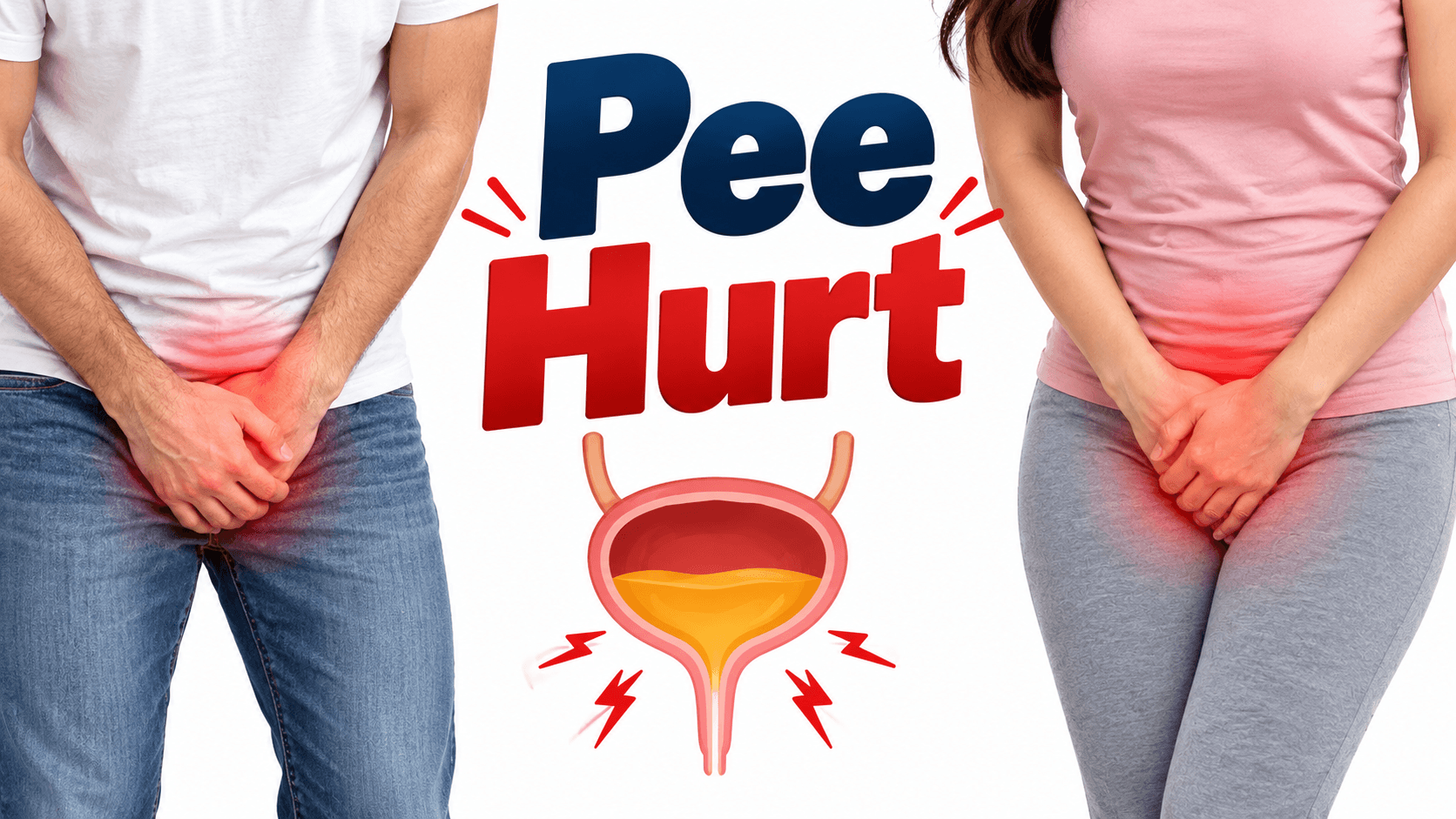
Experiencing pain or a burning sensation while urinating can be both uncomfortable and worrying. You may notice a burning sensation, sharp pain, pressure, or discomfort while urinating. Sometimes the pain lasts only for a short time, while in other cases it may continue for several days.
Why does it hurt when I pee? There are several possible reasons, including urinary tract infections, irritation, kidney or bladder problems, sexually transmitted infections, and other conditions affecting the urinary system.
Understanding the possible causes can help you recognize when simple care may be enough and when you should speak with a healthcare professional.
What Does Painful Urination Feel Like?
The way painful urination feels can vary depending on the person and the underlying cause. Some people notice a mild burning sensation, while others may experience sharp pain, stinging, pressure, or irritation when they pee. The discomfort may happen at the beginning of urination, continue throughout the process, or remain for a short time after urinating.
The medical term for painful urination is dysuria. It is a symptom rather than a specific disease, which means different conditions can cause a similar feeling.
Burning or Stinging When You Pee
A common symptom of painful urination is a burning or stinging feeling as urine moves through the urethra. Some people may experience it as irritation or discomfort along the urinary passage.
The burning can be:
- Mild and temporary
- Moderate and uncomfortable
- Strong enough to make urination difficult or unpleasant
- Present every time you urinate or only occasionally
A burning sensation is commonly associated with urinary tract problems, but it can also occur because of irritation, inflammation, or certain infections.
Sharp or Aching Pain
Some people describe painful urination as a sharp, aching, or sore feeling. The pain may be felt around the urethra or in the lower abdomen or pelvic area.
Where the discomfort occurs and how intense it feels can differ based on the condition causing it. For example, irritation around the urethra may cause discomfort mainly while urine is passing, whereas bladder-related problems may cause pressure or pain in the lower abdomen as well.
Feeling Like You Need to Pee Frequently
Painful urination may occur along with a frequent urge to urinate. You may feel that you need to use the bathroom repeatedly, even when only a small amount of urine comes out.
You may also experience:
- A sudden urge to pee
- Urinating more frequently than usual
- Passing only a small amount of urine
- Feeling that your bladder has not completely emptied
These signs may be associated with various urinary tract conditions and should be evaluated together with any other symptoms you may have.
Pressure or Discomfort in the Lower Abdomen
Some people experience pressure, heaviness, or discomfort in the lower abdomen along with painful urination.
This type of discomfort may be particularly noticeable when the bladder is full or immediately after urinating. Ongoing pain in the lower abdomen along with urinary symptoms may warrant an evaluation by a healthcare professional.
Changes in Your Urine
Pain or discomfort during urination may sometimes be accompanied by noticeable changes in the appearance or characteristics of your urine. Depending on the underlying problem, you may notice:
- Cloudy urine
- Strong-smelling urine
- Dark or unusual-looking urine
- Blood in the urine
Blood in the urine should be taken seriously, especially when it is clearly visible or accompanied by considerable pain.
Genital Irritation or Discomfort
Sometimes the burning sensation is not coming entirely from the urinary tract. Irritated skin around the genital area can also make urination painful, especially when urine touches sensitive or inflamed tissue.
You may notice:
- Itching
- Redness
- Swelling
- Soreness
- Unusual discharge
- Genital irritation
These signs may be linked to various health conditions, so the underlying cause should be determined through appropriate medical evaluation rather than assumed.
Pain Can Occur Before, During, or After Urination
The timing of the discomfort can also be different.
Some people experience pain before urinating, while others feel it mainly during urination. In some cases, discomfort continues shortly after the bladder has been emptied.
Noting when the discomfort starts, how long it continues, and whether it occurs alongside other symptoms can give a healthcare professional helpful details when assessing the problem.
When Should Painful Urination Be Checked?
Mild urinary discomfort may occasionally settle on its own, but symptoms that persist or become more severe should be assessed by a healthcare professional.
Contact a healthcare professional if:
- The burning or painful sensation persists for more than one or two days.
- The symptoms keep coming back.
- You have frequent or urgent urination.
- You notice blood in your urine.
- You have unusual genital discharge.
- You develop lower abdominal, pelvic, back, or side pain.
- You have fever or chills.
Get medical care promptly if you experience severe pain, a high fever, vomiting, noticeable blood in your urine, intense pain in your back or side, or difficulty urinating.
What does painful urination feel like? It may feel like burning, stinging, sharp pain, pressure, soreness, or irritation when you pee. Some people also experience frequent urination, an urgent need to pee, lower abdominal discomfort, urine changes, or genital irritation.
Since painful urination can result from a variety of conditions, the sensation by itself is not enough to identify the exact underlying problem. Persistent, severe, or recurring pain should be evaluated by a healthcare professional so the underlying cause can be identified and treated appropriately.
Urinary Tract Infection (UTI)
A Urinary Tract Infection (UTI) is one of the common reasons why it may hurt or burn when you pee. A UTI occurs when germs, most often bacteria, enter the urinary system and cause an infection. The infection can affect different parts of the urinary tract, including the urethra, bladder, ureters, or kidneys.
A bladder infection is a common form of urinary tract infection (UTI) that affects the bladder. It can cause irritation and inflammation, making urination uncomfortable or painful.
Common Symptoms of a UTI
Painful urination is often one of the main symptoms. You may experience a burning or stinging feeling when you pee. Other symptoms can include:
- Frequent urination, even when only a small amount of urine comes out
- A sudden or strong urge to urinate
- Pressure or discomfort in the lower abdomen
- Cloudy-looking urine
- Strong-smelling urine
- Blood in the urine in some cases
- Feeling that your bladder has not completely emptied
A person with a UTI may not experience every possible symptom. The signs can differ based on the specific area of the urinary tract involved.
What Causes a UTI?
Most urinary tract infections develop when bacteria enter the urinary system through the urethra and begin to grow. The bacteria can then travel toward the bladder and cause infection.
Certain factors can increase the risk of developing a UTI, including previous UTIs, difficulty completely emptying the bladder, urinary tract abnormalities, and some other health or lifestyle factors.
How Is a UTI Diagnosed?
If a healthcare professional suspects a UTI, they may ask about your symptoms and recommend a urine test. Medical testing can help confirm whether an infection is present and, in some cases, determine which type of bacteria may be causing it.
The appropriate treatment can vary depending on what is causing the infection and how severe it is. Bacterial UTIs are commonly treated with prescription antibiotics, but the appropriate medicine and duration should be determined by a healthcare professional.
When Should You Seek Medical Care?
Do not ignore urinary symptoms that are persistent or getting worse. Seek medical advice if painful urination continues, keeps returning, or is accompanied by other concerning symptoms.
Get prompt medical attention if you have:
- Fever or chills
- Pain in your back or side
- Nausea or vomiting
- Significant blood in your urine
- Severe or worsening pain
- Difficulty passing urine
These signs may sometimes indicate that an infection has spread beyond the bladder and may require timely medical care.
A urinary tract infection (UTI) may cause a burning or painful sensation during urination, along with an increased need to urinate, sudden urgency, lower abdominal discomfort, or noticeable changes in urine. Because other conditions can cause similar symptoms, it is important to get an appropriate evaluation rather than assuming that every case of painful urination is a UTI.
Bladder Infection
A bladder infection, medically called cystitis, is a common form of urinary tract infection (UTI) that develops in the bladder. It usually occurs when bacteria enter the urinary tract through the urethra and travel into the bladder, where they multiply and cause inflammation.
One of the most common signs of a bladder infection is experiencing burning or discomfort while urinating. The discomfort may range from mild irritation to more intense burning. You may notice a stronger or more frequent urge to urinate, even if only a small amount of urine is passed each time.
Common Symptoms of a Bladder Infection
A bladder infection can lead to a range of urinary symptoms, such as:
- Burning or pain during urination
- A frequent need to urinate
- A sudden or strong urge to pee
- Pressure or discomfort in the lower abdomen
- Cloudy urine
- Strong-smelling urine
- Blood in the urine in some cases
- Feeling that the bladder has not completely emptied
Some individuals may experience just a few of these signs, while others may notice multiple symptoms occurring together.
What Causes a Bladder Infection?
Most bladder infections are caused by bacteria entering the urinary tract. Certain factors can increase the risk, including previous urinary infections, problems emptying the bladder completely, and some conditions affecting the urinary system.
When symptoms point toward a bladder infection, a healthcare professional may suggest a urine test to check for signs of infection. If bacteria are responsible, prescription antibiotics may be used when appropriate.
When Should You See a Doctor?
Persistent bladder symptoms should not be ignored. Seek medical advice if burning or pain continues, becomes worse, or keeps coming back.
Prompt medical attention is especially important if symptoms occur with fever, chills, back or side pain, vomiting, significant blood in the urine, or difficulty urinating, as these may indicate a more serious urinary problem.
A bladder infection may lead to painful urination, frequent urges to urinate, lower abdominal discomfort, or noticeable changes in urine. Seeking medical evaluation early can help determine the underlying cause and guide appropriate treatment.
Sexually Transmitted Infections (STIs)
Sexually transmitted infections (STIs) are infections that can be transmitted between people through sexual contact or activity. Certain STIs can affect the urinary system and may lead to burning, discomfort, or pain during urination. Some STIs may cause only subtle signs or no noticeable symptoms at all. As a result, symptoms alone cannot reliably confirm whether an STI is present, and appropriate testing by a healthcare professional may be necessary for an accurate diagnosis.
Sexually transmitted infections may involve various areas of the body, including the genitals, urethra, rectum, and reproductive system. Common examples include chlamydia, gonorrhea, trichomoniasis, genital herpes, and syphilis.
How Can STIs Cause Painful Urination?
Some STIs can cause inflammation or irritation of the urethra, the tube that carries urine out of the body. When urine passes through an inflamed or irritated urethra, it may cause a burning, stinging, or painful sensation.
The sensation can range from slight irritation to more pronounced discomfort and may appear while urinating or soon afterward. Because similar symptoms can occur with UTIs and other medical conditions, proper testing may be needed to establish what is causing the symptoms.
Common Symptoms of STIs
The symptoms of an STI can vary widely depending on the specific type of infection a person has. Some people may experience:
- Burning or pain when urinating
- Unusual discharge from the vagina or penis
- Genital itching or irritation
- Sores, blisters, or bumps around the genital area
- Pelvic or lower abdominal pain
- Pain during sexual activity
- Unusual vaginal bleeding
- Swollen or painful testicles in some cases
Having no noticeable symptoms does not necessarily mean an STI is absent. Some sexually transmitted infections can cause very mild signs or none at all, allowing them to go unnoticed for a long time.
Chlamydia and Gonorrhea
Chlamydia and gonorrhea are bacterial STIs that can cause urethral inflammation and painful urination.
A person may also notice unusual genital discharge, pelvic discomfort, or testicular pain. Because certain infections may not produce obvious symptoms, testing can be an important step after a possible exposure.
Many bacterial STIs are treatable, but the appropriate medication depends on the specific infection and should be prescribed or recommended by a qualified healthcare professional.
Genital Herpes
Genital herpes is an STI that occurs due to infection with the herpes simplex virus (HSV). It may lead to painful blisters, sores, or irritation around the genital region. Urinating may become uncomfortable when urine comes into contact with irritated or open sores.
Other symptoms can include itching, tingling, or discomfort around the affected area. A qualified healthcare professional can assess your symptoms and determine whether herpes or another medical condition may be responsible.
How Are STIs Diagnosed?
The STI tests recommended for you may depend on your symptoms, possible exposure, and the particular infection that needs to be checked. A healthcare professional may recommend:
- Urine testing
- Blood tests
- Swab tests
- Physical examination
Sharing clear and accurate details about your symptoms and any potential sexual exposure can help a healthcare professional choose the most appropriate tests.
How Are STIs Treated?
Treatment depends on the specific infection.
Some bacterial STIs can be treated with prescription antibiotics, while viral infections may require different forms of management. The treatment approach varies from one STI to another, so there is no single treatment that works for every infection.
Do not take antibiotics without medical advice. Using the wrong medication may not treat the infection and can contribute to antibiotic resistance.
If an STI is confirmed through testing, your current or recent sexual partners may also need testing or treatment, depending on the type of infection. Following a healthcare professional’s advice can help reduce the risk of passing the infection to other people.
How Can You Reduce the Risk of STIs?
Certain steps can help lower the risk of sexually transmitted infections:
- Use condoms correctly and consistently.
- Consider regular STI testing when appropriate.
- Have open conversations with sexual partners about testing and sexual health.
- Avoid sexual contact when you or your partner has symptoms of an active genital infection until medical advice has been obtained.
- Follow the recommended treatment if an STI is diagnosed.
No prevention method eliminates every risk, but safer-sex practices can reduce the chance of transmission.
When Should You Get Medical Help?
If you have burning or pain when you pee after sexual contact, unusual genital discharge, genital sores, pelvic pain, or other symptoms that could indicate an STI, consider getting tested by a healthcare professional.
You should also seek medical advice if symptoms persist, become worse, or repeatedly return.
Sexually transmitted infections can be a possible cause of painful urination, particularly when they cause inflammation or irritation of the urethra or genital area. Symptoms may include burning when peeing, unusual discharge, genital sores, itching, pelvic discomfort, or pain during sexual activity.
However, symptoms alone cannot determine which infection is responsible, and some STIs may cause no obvious symptoms at all. Appropriate testing is the best way to identify an STI, while treatment should be based on the specific infection diagnosed by a healthcare professional.
Urethritis
Urethritis is inflammation or irritation of the urethra, the tube that carries urine from the bladder out of the body. One of the most common symptoms of urethritis is pain or burning when you pee. The discomfort may be mild or quite noticeable and can occur while urinating or shortly afterward.
Urethritis can have several possible causes. In some cases, it is caused by an infection, including certain sexually transmitted infections (STIs) such as chlamydia or gonorrhea. However, urethral irritation can also occur for other reasons, so painful urination does not automatically mean that an STI is present.
Common Symptoms of Urethritis
In addition to burning or painful urination, urethritis may cause:
- Burning or stinging when urinating
- Frequent or urgent need to pee
- Irritation around the opening of the urethra
- Unusual discharge from the penis or vagina
- Redness or soreness around the urethral opening
- Pelvic or genital discomfort
Some people with urethritis may have only mild symptoms or no obvious symptoms at all.
What Causes Urethritis?
Infectious urethritis can be caused by bacteria or other microorganisms. STIs are an important cause, but irritation from certain personal-care products or physical irritation may also contribute in some cases.
If an infection is suspected, a healthcare professional may recommend urine tests, swab tests, or other STI testing to identify the underlying cause.
How Is Urethritis Treated?
Treatment depends on what is causing the inflammation. Bacterial infections may require prescription antibiotics, while other causes may need different treatment. It is important not to take antibiotics without medical advice because the correct treatment depends on the specific cause.
When Should You See a Doctor?
If burning or pain when urinating persists, becomes worse, or occurs with unusual discharge, genital sores, fever, pelvic pain, or other concerning symptoms, seek medical advice.
Getting the correct diagnosis is important because urethritis can have different causes and similar symptoms can occur with other urinary or genital conditions.
Kidney Stones
Kidney stones are solid, crystal-like formations that develop in the kidneys when certain minerals and substances in urine become concentrated enough to form deposits. They can vary in size, and some small stones may pass through the urinary tract without causing major problems. However, a larger stone can become stuck and cause significant pain or difficulty passing urine.
Kidney stones can sometimes cause pain or burning when you pee, particularly when a stone moves into the ureter or closer to the bladder. The pain may be sudden and can vary in intensity.
Common Symptoms of Kidney Stones
Along with painful urination, kidney stones may cause:
- Sharp pain in the side or back
- Pain that moves toward the lower abdomen or groin
- Pain that comes and goes in waves
- Frequent or urgent urination
- Blood in the urine
- Cloudy or unusual-smelling urine
- Nausea or vomiting
- Difficulty urinating in some cases
The location and severity of pain can change as the stone moves through the urinary tract.
What Causes Kidney Stones?
Kidney stones may form when specific minerals and salts in the urine become highly concentrated, allowing crystals to develop and grow. Several factors can increase the risk, including not drinking enough fluids, certain dietary patterns, family history, and some medical conditions.
Drinking enough water is an important part of maintaining healthy urine concentration, although hydration alone cannot prevent every type of kidney stone.
How Are Kidney Stones Treated?
Treatment depends on the size and location of the stone, as well as the person’s symptoms and overall situation. Small stones may sometimes pass naturally, while larger or obstructing stones may require medical treatment.
A healthcare professional may use imaging tests and urine or blood tests to evaluate the stone and determine the appropriate approach.
When Should You Seek Medical Care?
Seek prompt medical attention if kidney-stone symptoms occur with fever, chills, vomiting, severe or worsening pain, significant blood in the urine, or difficulty passing urine.
These symptoms can sometimes indicate an obstruction or infection that needs timely medical evaluation.
Kidney stones can cause painful urination, severe side or back pain, blood in the urine, and other urinary symptoms. If the pain is severe or persistent, getting medical evaluation can help identify the stone and determine appropriate treatment.
Vaginal or Genital Irritation
Vaginal or genital irritation can sometimes make it hurt or burn when you pee. This happens when the skin or tissues around the genital area become irritated, inflamed, or sensitive. When urine comes into contact with irritated skin, it can cause a burning, stinging, or painful sensation.
Not every case of painful urination is caused by a urinary tract infection (UTI). Genital irritation can have several possible causes, including personal-care products, friction, infections, or other skin conditions.
Common Causes of Genital Irritation
Several things may contribute to irritation around the vaginal or genital area, including:
- Scented soaps or body washes
- Fragranced feminine hygiene products
- Certain lubricants or personal-care products
- Tight or poorly ventilated clothing
- Friction from exercise or sexual activity
- Excessive washing or scrubbing
- Skin conditions affecting the genital area
- Some vaginal infections
Using a new product shortly before symptoms begin may provide a clue, but it does not necessarily prove that the product is the cause.
Symptoms You May Notice
Genital irritation can cause more than just burning when you pee. You may also experience:
- Redness or soreness
- Itching around the genital area
- Burning or stinging
- Dry or sensitive skin
- Swelling or tenderness
- Discomfort during sexual activity
- Irritation when urine touches the skin
If there is unusual vaginal discharge, a strong change in odor, genital sores, or persistent itching, an infection may also need to be considered.
What Can Help?
If you suspect that a personal-care product is causing irritation, avoiding the suspected irritant may help the area recover. Keep the genital area clean without excessive washing or scrubbing, and avoid products that cause burning or discomfort.
Do not use random creams, antibiotics, or other medications without knowing the cause. Some products can make irritated skin worse or may mask symptoms of an infection.
When Should You See a Doctor?
You should consider medical evaluation if the irritation does not improve, keeps returning, or is accompanied by painful urination, unusual discharge, genital sores, fever, pelvic pain, or significant swelling.
A healthcare professional can determine whether the symptoms are caused by simple irritation, an infection, or another condition.
Vaginal or genital irritation can cause burning or pain when you pee, especially when urine touches inflamed or sensitive skin. Avoiding potential irritants and using gentle hygiene may help in some cases. However, persistent or recurring symptoms should be evaluated because genital irritation and infections can produce similar symptoms.
Vaginal Infections
Vaginal infections can sometimes cause burning, stinging, or discomfort when you pee. This may happen because the vaginal tissues or surrounding skin become inflamed or irritated. When urine comes into contact with sensitive tissue, it can create a burning sensation that may feel similar to a urinary tract infection (UTI).
There are different types of vaginal infections, and each can have different causes and symptoms. Common examples include vaginal yeast infections and bacterial vaginosis (BV). Some sexually transmitted infections (STIs) can also affect the vaginal area and cause similar discomfort.
Common Symptoms of Vaginal Infections
Depending on the cause, symptoms may include:
- Burning or irritation around the vagina
- Itching or soreness
- Unusual vaginal discharge
- Changes in vaginal odor
- Redness or swelling
- Discomfort during sexual activity
- Burning when urine touches irritated tissue
The appearance, amount, and odor of vaginal discharge can vary depending on the condition. However, symptoms by themselves may not be enough to determine the precise underlying cause.
Vaginal Yeast Infection
A yeast infection is commonly caused by an overgrowth of Candida yeast. It may cause intense itching, redness, soreness, and irritation. Some people also experience thick vaginal discharge.
Because yeast infections can resemble other vaginal conditions, it is better to get an accurate diagnosis rather than assuming that every case of itching or burning is a yeast infection.
Bacterial Vaginosis
Bacterial vaginosis (BV) develops when the usual balance of bacteria within the vagina becomes disrupted. It may cause unusual discharge and a noticeable change in vaginal odor. Some people may have few or no symptoms.
BV is different from a yeast infection, so the treatment is also different.
How Are Vaginal Infections Treated?
Treatment depends on the specific cause. A healthcare professional may ask about your symptoms and perform an examination or recommend testing when necessary.
Avoid using antibiotics or antifungal medicines without knowing what is causing the symptoms. The wrong treatment may not help and can sometimes make the problem more difficult to manage.
When Should You See a Doctor?
Consider medical evaluation if vaginal burning, itching, discharge, or painful urination continues, becomes worse, or keeps coming back.
You should also seek medical advice if symptoms occur with:
- Fever or chills
- Pelvic or lower abdominal pain
- Genital sores
- Significant swelling
- Unusual bleeding
- Strong or persistent vaginal odor
Vaginal infections can cause burning when you pee, itching, irritation, unusual discharge, and genital discomfort. Because several different infections and conditions can cause similar symptoms, proper evaluation can help identify the cause and guide appropriate treatment.
Prostate Problems in Men
Prostate problems can sometimes cause pain or burning when a man urinates. The prostate is a small gland situated beneath the bladder and surrounding a portion of the urethra, which carries urine out of the body. If the prostate becomes swollen, inflamed, enlarged, or affected by another condition, it may interfere with normal urinary function and cause changes in urination.
One prostate condition that may cause painful urination is prostatitis, which means inflammation of the prostate. Prostatitis can have different causes, and symptoms can vary from person to person.
Common Symptoms of Prostate Problems
Depending on the underlying condition, a man may experience:
- Burning or pain when urinating
- Frequent need to urinate
- A strong or sudden urge to pee
- Difficulty starting urination
- A weak or interrupted urine stream
- Dribbling after urination
- Feeling that the bladder has not completely emptied
- Pain in the lower abdomen, pelvis, lower back, or genital area
- Pain during or after ejaculation
Not every man with a prostate problem will experience all of these symptoms.
Prostatitis and Painful Urination
Prostatitis can cause inflammation of the prostate and may lead to urinary discomfort. Some forms are associated with bacterial infection, while other forms have different causes.
When inflammation affects the area around the prostate and urinary tract, urination may become painful or uncomfortable. A healthcare professional may need to perform an examination and order urine or other tests to determine the cause.
If bacterial prostatitis is diagnosed, prescription antibiotics may be used. The right treatment varies according to the underlying cause and should be selected with guidance from a qualified healthcare professional.
Enlarged Prostate
An enlarged prostate, known medically as benign prostatic hyperplasia (BPH), becomes more common as men age. Because the prostate surrounds part of the urethra, enlargement can put pressure on the urinary passage.
BPH commonly causes difficulty starting urination, a weak urine stream, frequent urination, and nighttime urination. Although BPH is not prostate cancer, its symptoms can overlap with other urinary conditions.
When Should Men See a Doctor?
Men experiencing ongoing, worsening, or disruptive urinary symptoms should consider consulting a healthcare professional for an appropriate evaluation.
Seek prompt medical attention if urinary symptoms occur with:
- Fever or chills
- Severe pelvic or back pain
- Blood in the urine
- Inability to urinate
- Severe or rapidly worsening pain
- Vomiting or feeling seriously unwell
These symptoms may require timely evaluation.
Prostate problems can be one possible reason why it hurts when a man pees. Conditions such as prostatitis and an enlarged prostate can affect urination and cause burning, difficulty starting the urine stream, frequent urination, or pelvic discomfort.
Because similar symptoms can occur with urinary infections, kidney stones, urethritis, and other conditions, persistent urinary problems should be evaluated by a healthcare professional. Identifying the root cause of the symptoms is an essential step in determining the most suitable treatment approach.
Dehydration and Concentrated Urine
Dehydration can sometimes contribute to discomfort when you pee. When your body does not get enough fluids, your kidneys conserve water and produce less urine. As a result, the urine can become more concentrated, meaning it contains a higher amount of waste products and other substances.
Concentrated urine may appear darker yellow than usual and can have a stronger smell. In some people, passing concentrated urine may cause mild irritation or discomfort, particularly if the urinary tract is already sensitive.
Common Signs of Dehydration
In addition to changes in urine, dehydration may cause:
- Dark yellow urine
- Feeling thirsty
- Dry mouth or lips
- Tiredness or weakness
- Headache
- Dizziness
- Urinating less frequently than usual
The color of urine can provide a general indication of hydration, but it cannot diagnose a medical condition by itself.
Can Drinking More Water Help?
If mild dehydration is contributing to urinary discomfort, drinking enough fluids may help your urine become more diluted. For most people, drinking water is a simple and effective way to stay properly hydrated.
However, drinking extra water does not treat an underlying urinary infection, sexually transmitted infection, kidney stone, or other medical condition. If pain or burning continues despite adequate hydration, another cause may need to be considered.
It is also important not to force excessive amounts of water in a short period. Fluid needs vary depending on factors such as activity, weather, diet, and individual health.
When Should You See a Doctor?
Do not assume that painful urination is caused only by dehydration. If burning or pain continues or becomes more severe, seek an evaluation from a healthcare professional.
Seek medical attention promptly if painful urination occurs with fever, chills, blood in the urine, severe back or side pain, vomiting, unusual genital discharge, or difficulty urinating.
Dehydration can make urine more concentrated and may contribute to urinary discomfort in some people. Drinking enough fluids can help support healthy urinary function, but persistent burning or discomfort during urination may point to an underlying issue that should be medically evaluated.
When Should You See a Doctor?
Pain or burning when you pee can sometimes be caused by a minor irritation, but it can also be a sign of a urinary tract infection (UTI), bladder infection, kidney stone, sexually transmitted infection (STI), urethritis, or another urinary or genital condition. Because different conditions can cause similar symptoms, persistent or recurring painful urination should not be ignored.
If the discomfort is mild but continues for more than a day or two, consider contacting a healthcare professional. You should also seek medical advice if the symptoms repeatedly return, even if they improve temporarily.
Symptoms That Need Medical Evaluation
Consider scheduling a medical appointment if you notice any of the following:
- Burning or pain when urinating that does not improve
- Frequent or urgent urination
- Pain or pressure in the lower abdomen
- Cloudy, unusually dark, or strong-smelling urine
- Blood in your urine
- Unusual vaginal or penile discharge
- Genital itching, irritation, sores, or swelling
- Pain during sexual activity
- Repeated episodes of painful urination
These symptoms may have different causes, and testing may be needed to determine what is responsible.
When Should You Seek Prompt Medical Care?
Some symptoms can indicate a more serious urinary problem and require prompt medical attention.
Seek urgent medical care if painful urination occurs with:
- High fever or chills
- Severe pain in your back or side
- Severe or rapidly worsening abdominal or pelvic pain
- Repeated vomiting
- Significant blood in the urine
- Inability or severe difficulty to pass urine
- Feeling very weak, confused, or seriously unwell
A urinary infection that affects the kidneys can cause fever, chills, back or side pain, nausea, and vomiting. A blocked urinary tract can also require timely medical evaluation.
What May Happen During a Medical Visit?
A healthcare professional may ask about when the pain started, how often you urinate, other symptoms, medications, sexual health, and any previous urinary problems.
Depending on your symptoms, they may recommend a urine test, STI testing, physical examination, or other tests. These evaluations can help distinguish between conditions that may require different treatments.
Don’t Self-Treat Without Knowing the Cause
It can be tempting to assume that burning when you pee is always a UTI and take leftover antibiotics. However, painful urination does not always mean you have a bacterial infection.
Taking the wrong medication may not improve the symptoms and can cause unwanted effects or contribute to antibiotic resistance.
You should see a healthcare professional when painful urination persists, returns repeatedly, or occurs with other urinary, genital, or systemic symptoms. Severe pain, fever, vomiting, significant blood in the urine, or difficulty urinating requires prompt medical attention.
Getting the underlying cause identified can help ensure that you receive the appropriate treatment instead of simply trying to relieve the symptom.
When Is Painful Urination an Emergency?
Painful urination is often caused by conditions that can be treated, but in some situations, burning or pain when you pee may require urgent medical attention. This is especially important when urinary symptoms occur together with signs of infection, blockage, or another serious problem.
Warning Signs That Need Urgent Medical Care
Seek prompt medical attention if painful urination occurs with:
- High fever or chills
- Severe pain in the back or side
- Severe lower abdominal or pelvic pain
- Repeated nausea or vomiting
- Significant blood in the urine
- Inability or severe difficulty to urinate
- Rapidly worsening urinary symptoms
- Feeling extremely weak or seriously unwell
These symptoms can sometimes occur with a kidney infection, urinary obstruction, or another condition that requires timely evaluation.
Why Can These Symptoms Be Serious?
A urinary infection that spreads to the kidneys can cause fever, chills, back or side pain, nausea, and vomiting. Similarly, a kidney stone may block the normal flow of urine and cause severe pain. An obstruction combined with an infection can be particularly concerning and requires prompt medical care.
If you are unable to pass urine, do not wait for the symptoms to resolve on their own. Urinary retention can require immediate evaluation.
What Should You Do?
If you have severe symptoms, contact a healthcare professional or seek urgent medical care rather than trying to treat the problem yourself. Avoid taking leftover antibiotics or other prescription medicines without medical advice.
Mild burning when you pee may not always be an emergency, but painful urination accompanied by fever, severe pain, vomiting, significant blood in the urine, or difficulty passing urine should be evaluated promptly.
How Is Painful Urination Treated?
The treatment for painful urination depends on what is causing the pain or burning. Pain when you pee is a symptom rather than a disease, so the correct treatment can be different for each person. A urinary tract infection (UTI), kidney stone, sexually transmitted infection (STI), urethritis, genital irritation, and prostate problems may all require different approaches.
Treatment Based on the Cause
A healthcare professional may recommend different treatments depending on the diagnosis:
- Bacterial UTI: A healthcare professional may prescribe antibiotics when a bacterial infection is diagnosed or considered likely.
- STIs: Treatment depends on the specific infection. Some bacterial STIs require prescription antibiotics, while viral infections may require different management.
- Kidney stones: Small stones may sometimes pass naturally, while larger or obstructing stones may require medical treatment or procedures.
- Urethritis: Treatment depends on whether the inflammation is caused by an infection, irritation, or another condition.
- Vaginal infections: Treatment varies depending on whether the cause is a yeast infection, bacterial vaginosis, or another condition.
- Genital irritation: Avoiding products or activities that trigger irritation may help, although persistent symptoms should be evaluated.
Can Drinking Water Help?
Staying adequately hydrated can help maintain normal urine production and may make concentrated urine less irritating. However, drinking more water does not cure bacterial infections, STIs, kidney stones, or other underlying conditions.
Avoid drinking unusually large amounts of water within a short period of time. Your fluid needs can vary depending on your health, activity level, and environment.
Avoid Self-Treating With Antibiotics
It may be tempting to take leftover antibiotics when you experience burning while urinating. However, painful urination does not always mean you have a bacterial infection.
Taking an inappropriate antibiotic may not help and can cause side effects or contribute to antibiotic resistance. The right medication should be selected based on the suspected or confirmed cause.
When Should You Seek Medical Care?
If painful urination continues, becomes worse, repeatedly returns, or occurs with fever, blood in the urine, severe back or side pain, vomiting, unusual discharge, or difficulty urinating, contact a healthcare professional promptly.
Treating painful urination starts with identifying its underlying cause. The right treatment may involve prescription medication, treatment of an infection, management of kidney stones, or avoiding an irritant, depending on the diagnosis. Getting appropriate medical advice is safer than treating the symptom without knowing what is causing it.
Tips That May Help Prevent Urinary Problems
Some everyday habits may help support urinary health and reduce the risk of certain urinary problems. However, no prevention method can completely eliminate the possibility of infections, kidney stones, or other urinary conditions.
Stay Adequately Hydrated
Drink enough fluids throughout the day to support normal urine production. Water is generally a good choice. Your fluid needs can vary depending on your activity level, weather, diet, and individual health.
Avoid Holding Urine for Long Periods
Try not to regularly hold your urine for extended periods. When you need to pee, use the bathroom rather than repeatedly delaying urination.
Practice Good Personal Hygiene
Keep the genital area clean, but avoid excessive washing or harsh products. Scented soaps, sprays, and other fragranced products may irritate sensitive skin in some people.
Practice Safer Sex
Using condoms correctly and consistently can help reduce the risk of sexually transmitted infections (STIs), some of which can cause painful urination.
Regular STI testing may also be appropriate depending on your sexual health and circumstances.
Don’t Ignore Urinary Symptoms
If you notice burning, pain, frequent urination, unusual discharge, blood in your urine, or other changes, do not ignore symptoms that persist or keep returning.
Maintain Healthy Habits
A balanced diet, regular physical activity, and adequate fluid intake can support overall health. People who are prone to kidney stones may also benefit from discussing diet and fluid recommendations with a healthcare professional.
Simple habits such as staying hydrated, avoiding prolonged urine holding, practicing good hygiene, and using safer-sex practices may help support urinary health. If urinary symptoms continue or become worse, medical evaluation can help identify the underlying cause.
Final Thoughts
Why does it hurt when I pee? Pain, burning, or discomfort during urination can have several possible causes. Common reasons include urinary tract infections (UTIs), bladder infections, sexually transmitted infections (STIs), urethritis, kidney stones, vaginal or genital irritation, vaginal infections, and prostate problems.
Because many different conditions can cause similar urinary symptoms, it is important not to assume the exact cause based only on how the pain feels. Paying attention to other symptoms, such as frequent urination, unusual discharge, blood in the urine, lower abdominal discomfort, or genital irritation, can provide useful information.
Persistent or worsening painful urination should not be ignored. If the pain continues, repeatedly returns, or occurs with fever, chills, severe back or side pain, vomiting, blood in the urine, or difficulty passing urine, seek medical attention promptly.
The best treatment depends on the underlying cause. A healthcare professional may recommend a physical examination, urine testing, STI testing, or other tests when appropriate.
Ultimately, finding the underlying cause of painful urination is important for receiving the right treatment. Instead of simply trying to mask the burning or discomfort, proper medical evaluation can help address the condition responsible for the symptoms.
Frequently Asked Questions
1.Question: Why does it hurt when I pee?
Answer: Pain or burning when you pee can be caused by UTIs, bladder infections, STIs, kidney stones, urethritis, genital irritation, vaginal infections, or prostate problems.
2.Question: What is the most common cause of painful urination?
Answer: A urinary tract infection (UTI) is a common cause of painful urination. It may also cause frequent urination, urgency, and lower abdominal discomfort.
3.Question: Can an STI cause burning when you pee?
Answer: Yes. STIs such as chlamydia and gonorrhea can cause burning or pain during urination. Unusual discharge, itching, or genital sores may also occur.
4.Question: Can kidney stones cause painful urination?
Answer: Yes. Kidney stones can cause painful urination, along with severe pain in the back or side, blood in the urine, frequent urination, nausea, or vomiting.
5.Question: Can dehydration cause pain when I pee?
Answer: Dehydration can make urine more concentrated and may cause some urinary discomfort. However, persistent burning should not automatically be blamed on dehydration.
6.Question: When should I see a doctor for painful urination?
Answer: See a healthcare professional if the pain continues, becomes worse, or keeps returning, especially if you have blood in your urine, unusual discharge, pelvic pain, or frequent urination.