
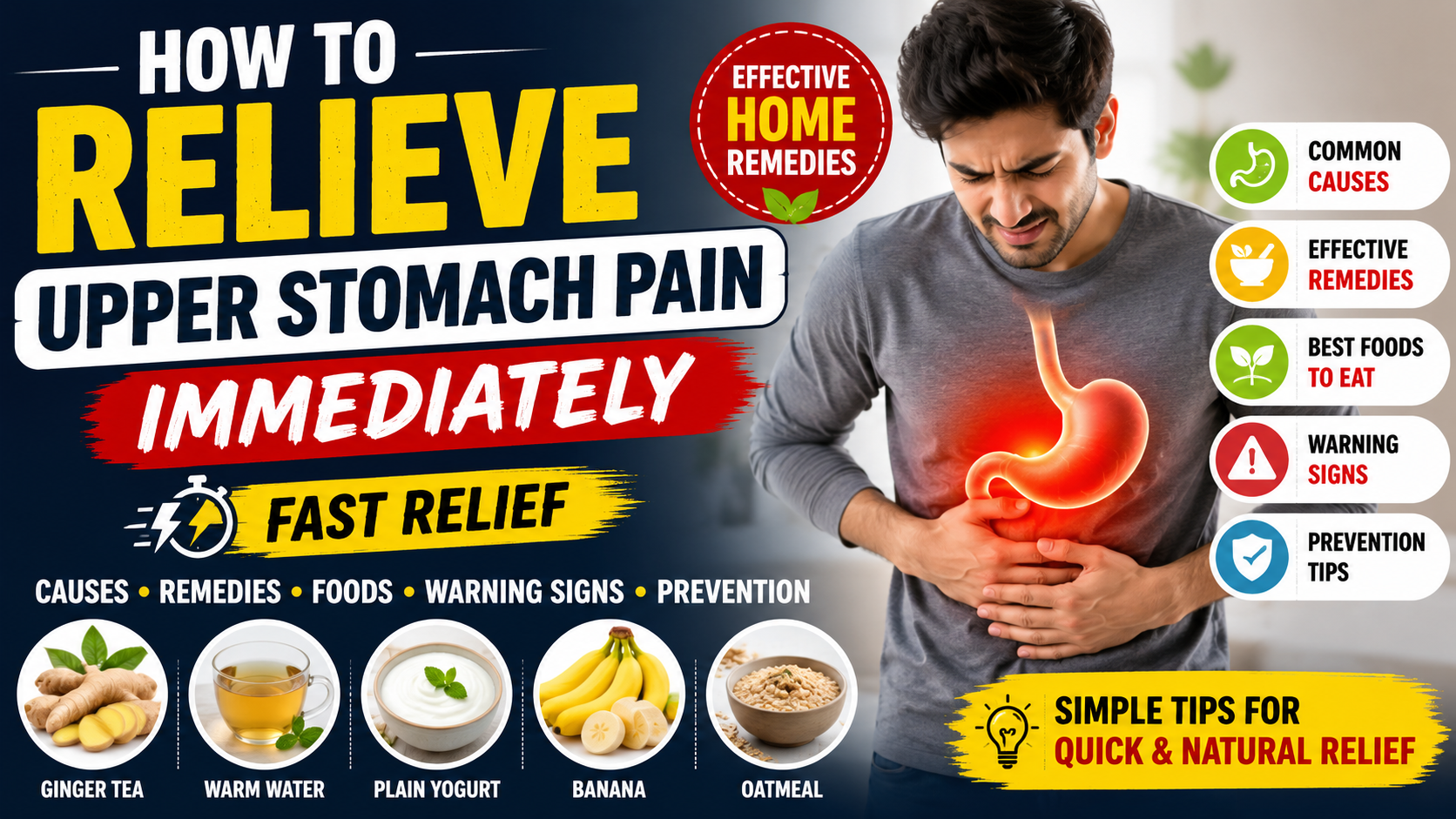
What Causes Upper Stomach Pain? Understanding the Hidden Triggers Before Treatment
Upper stomach pain is something almost everyone experiences at some point, but many people ignore it until it becomes uncomfortable or difficult to manage. The truth is, this type of pain is often your body’s way of telling you that something is not right internally. Instead of rushing to take medicine immediately, it is important to first understand what might be causing the discomfort.
One of the most common reasons behind upper stomach pain is indigestion. This usually happens when you eat too much, too fast, or consume heavy, oily, or spicy foods. As a result, your digestive system struggles to process everything properly, which leads to:
- A feeling of fullness
- Bloating and heaviness
- Mild pain in the upper abdomen
Another frequent cause is gas and bloating. When excess gas builds up in your stomach, it creates pressure that can feel like sharp or cramping pain. This problem is often triggered by:
- Drinking carbonated beverages
- Eating gas-producing foods
- Not chewing food properly
In many cases, people also suffer from acid reflux, where stomach acid moves back into the esophagus. This creates a burning sensation that can be quite uncomfortable, especially after meals. Common symptoms include:
- Burning pain in the upper stomach and chest
- Discomfort after lying down
- Worsening pain after heavy meals
A slightly more serious condition is gastritis, which is the inflammation of the stomach lining. This issue may develop due to multiple causes, for example:
- Infections
- Excessive alcohol consumption
- Long-term use of painkillers
It may cause continuous discomfort along with:
- Nausea
- A heavy or tight feeling in the stomach
Additionally, stomach ulcers can also be responsible for persistent upper stomach pain. These are small sores that develop in the stomach lining and should not be ignored. Symptoms often include:
- Sharp or burning pain
- Pain that worsens on an empty stomach
- Long-lasting discomfort
Interestingly, not all causes are physical. Stress and anxiety can also play a major role in stomach pain. Mental pressure can disturb your digestive system, often causing uneasiness and pain in the upper stomach area.
- Tightness in the stomach
- Unexplained discomfort
- Irregular digestion
Understanding these hidden triggers is the first step toward finding the right solution. Identifying the reason behind your pain makes it simpler to treat and helps prevent it from happening again.
How to Relieve Upper Stomach Pain Immediately: Fast and Effective Home Remedies
Upper stomach pain can be very uncomfortable, especially when it starts suddenly and affects your daily routine. In such situations, most people look for quick relief rather than waiting for the pain to go away on its own. The good news is that there are several simple and effective home remedies that can help reduce the discomfort almost immediately.
Drinking warm water is one of the easiest and most helpful remedies for quick relief. It helps relax the digestive system and improves the movement of food through the stomach. This simple habit can quickly reduce pain caused by indigestion or gas. For better results, you can:
- Sip warm water slowly instead of drinking it all at once
- Avoid cold drinks during pain episodes
- Repeat every 20–30 minutes if needed
Another powerful solution is ginger, which is known for its natural anti-inflammatory properties. It aids the digestive process and helps minimize gas formation. There are several simple ways to include it in your routine, such as:
- Drinking ginger tea
- Chewing a small piece of fresh ginger
- Adding ginger to warm water
If your pain is related to gas or bloating, gentle walking or light movement can be surprisingly helpful. Remaining inactive may increase the discomfort, while gentle movement can help release trapped gas and support better digestion. You can try:
- Walking slowly for 5–10 minutes
- Avoid lying down immediately after eating
- Keeping your body slightly upright
Another quick method is using a warm compress or heating pad on your upper abdomen. Heat helps relax the muscles and reduces cramping or tightness in the stomach area. This method is especially useful when the pain feels sharp or tense. You can:
- Place a warm cloth or heating pad on the stomach
- Use it for 10–15 minutes
- Repeat if necessary
In addition, certain natural drinks like peppermint tea or fennel water can provide fast relief. These help calm the digestive system and reduce discomfort caused by gas or acidity. They work by:
- Relaxing stomach muscles
- Reducing bloating
- Improving overall digestion
Finally, one of the most important things to remember is to avoid trigger foods during pain. Eating spicy, oily, or heavy meals can make the condition worse instead of better. For better relief, it is recommended to choose:
- Light and easily digestible foods
- Smaller portions
- Simple meals like khichdi or soup
By following these simple remedies, you can often relieve upper stomach pain quickly without needing medication. However, if the pain keeps coming back or becomes severe, it is always better to consult a medical professional for proper diagnosis and treatment.
Best Foods and Drinks to Soothe Upper Stomach Pain Quickly
When you are dealing with upper stomach pain, what you eat and drink plays a very important role in how quickly you recover. Choosing the right foods can calm your digestive system, reduce discomfort, and help your stomach heal naturally. On the other hand, eating the wrong items can make the pain worse. That’s why it is important to focus on light, soothing, and easy-to-digest options.
One of the best choices during stomach pain is plain and soft foods. They are light and simple to digest, making them suitable for stomach comfort. They help in reducing irritation and allow your digestive system to rest. Some good options include:
- Khichdi (a simple rice and lentil dish)
- Boiled rice
- Plain toast or soft bread
- Light vegetable soup
Another highly effective option is banana, which is known for its soothing properties. It is easy to digest and helps in balancing stomach acids. Bananas can:
- Reduce irritation in the stomach lining
- Provide quick energy without causing heaviness
- Help control acidity
Proper hydration matters just as much as your food choices. Herbal teas are especially beneficial when it comes to calming stomach pain. Some of the best options are:
- Ginger tea – helps improve digestion and reduce inflammation
- Peppermint tea – relaxes stomach muscles and relieves gas
- Chamomile tea – reduces stress and soothes the digestive system
In addition, fennel (saunf) water is a traditional remedy that works very well for gas and bloating. It helps in relaxing the digestive tract and improving overall digestion. You can:
- Prepare fennel water by boiling the seeds and enjoy it while it’s still warm.
- Chew a small amount of fennel after meals
Another helpful drink is coconut water, which is light, refreshing, and easy on the stomach. It keeps your body well-hydrated and helps speed up the healing process. It is especially useful when your stomach feels heavy or irritated.
While focusing on good foods, it is equally important to avoid harmful items during this time. Certain foods can trigger more pain and should be strictly limited, such as:
- Spicy and oily foods
- Fried snacks
- Carbonated drinks
- Excess tea or coffee
Both your eating style and food choices play an equal role in your health. For quicker relief, try the following:
- Eat small portions instead of large meals
- Eat slowly and chew properly
- Avoid lying down immediately after eating
By choosing the right foods and drinks, you can naturally soothe upper stomach pain and support your digestive health. Simple dietary changes can make a big difference in how quickly you feel better and prevent the problem from returning again.
When to Worry: Warning Signs of Serious Upper Stomach Pain You Should Not Ignore
Most of the time, upper stomach pain is mild and can be handled with easy remedies at home. However, there are certain situations where this pain should not be taken lightly. Ignoring serious warning signs can lead to complications and may delay proper treatment. That’s why it is important to understand when your body is asking for medical attention instead of home remedies.
One of the biggest warning signs is severe or intense pain. If your stomach pain is sharp, unbearable, or suddenly becomes much worse, it could indicate a more serious issue. This type of pain may not improve with basic remedies and can interfere with your daily activities. In such cases, you should not ignore the discomfort.
Another important sign to watch for is pain that lasts for a long time or keeps coming back frequently. Occasional discomfort is normal, but repeated episodes of upper stomach pain may be linked to underlying problems such as ulcers, gastritis, or digestive disorders. If the pain does not go away even after trying home remedies, it’s a clear signal that you need professional advice.
You should also be careful if the pain is accompanied by other unusual symptoms. These may indicate that the issue is more than just simple indigestion. Some common warning symptoms include:
- Nausea or repeated vomiting
- Fever or chills
- Unexplained weight loss
- Loss of appetite
- Feeling extremely weak or tired
These signs suggest that your body is dealing with something more serious and should not be ignored.
Another red flag is burning pain that worsens on an empty stomach or during the night. This could be a symptom of stomach ulcers. Similarly, if you notice a constant heavy or tight feeling in your upper abdomen, it may indicate inflammation of the stomach lining or other digestive issues that require medical evaluation.
In some cases, upper stomach pain may also be related to acid reflux or heart-related discomfort. If the pain spreads toward your chest, back, or shoulders, or feels like pressure in the chest, you should be extra cautious. These symptoms can sometimes be confused with other serious conditions, so it is better not to take any risks.
Another serious sign is difficulty in swallowing or persistent acidity that does not improve over time. This may indicate a chronic digestive problem that needs proper diagnosis and treatment.
To stay safe, always remember these key warning signs:
- Severe or unbearable pain
- Pain lasting longer than a few days
- Frequent or recurring discomfort
- Pain with vomiting, fever, or weight loss
- Pain spreading to chest or other areas
Not paying attention to these signs can lead to worsening problems over time. Home remedies can help with minor problems, but they cannot replace proper medical treatment in serious situations.
Conclusion
Upper stomach pain may seem like a small and temporary problem, but it often carries important signals about your overall digestive health. As we’ve seen, this discomfort can be caused by common issues like indigestion, gas, or acid reflux, as well as more serious conditions such as gastritis or ulcers. That’s why understanding the root cause is always the first and most important step before taking any action.
At the same time, quick relief is possible with simple and effective home remedies. Drinking warm water, using natural ingredients like ginger, staying lightly active, and applying heat can help reduce pain almost immediately. Along with this, choosing the right foods and drinks—such as light meals, bananas, and herbal teas—can further calm your stomach and speed up recovery.
However, relief alone is not enough. Paying attention to warning signs like severe pain, long-lasting discomfort, or unusual symptoms is crucial, as these may require medical attention. Not paying attention to these signs can increase the risk of serious health complications in the future.
Most importantly, prevention plays a key role in maintaining long-term digestive health. Simple habits like eating on time, avoiding heavy and spicy foods, staying hydrated, managing stress, and maintaining an active lifestyle can make a significant difference. These small daily changes not only help prevent upper stomach pain but also improve your overall well-being.
Frequently Asked Questions
Q1. What causes upper stomach pain suddenly?
A: Upper stomach pain can occur suddenly due to indigestion, gas buildup, acid reflux, or eating heavy and spicy foods. In some cases, stress or anxiety can also trigger sudden discomfort in the upper abdomen.
Q2. How can I relieve upper stomach pain immediately at home?
A: You can try simple remedies like drinking warm water, consuming ginger tea, taking a short walk, or applying a warm compress on your stomach. These methods help relax the digestive system and reduce pain quickly.
Q3. Which foods should I avoid during upper stomach pain?
A: It is best to avoid spicy, oily, fried foods, carbonated drinks, and excessive tea or coffee. These can irritate your stomach and make the pain worse.
Q4. When should I see a doctor for upper stomach pain?
A: You should consult a doctor if the pain is severe, lasts for a long time, keeps returning frequently, or is accompanied by symptoms like vomiting, fever, or unexplained weight loss.
Q5. Can stress cause upper stomach pain?
A: Yes, stress and anxiety can directly affect your digestive system. They can cause muscle tightness, slow digestion, and lead to discomfort or pain in the upper stomach.