
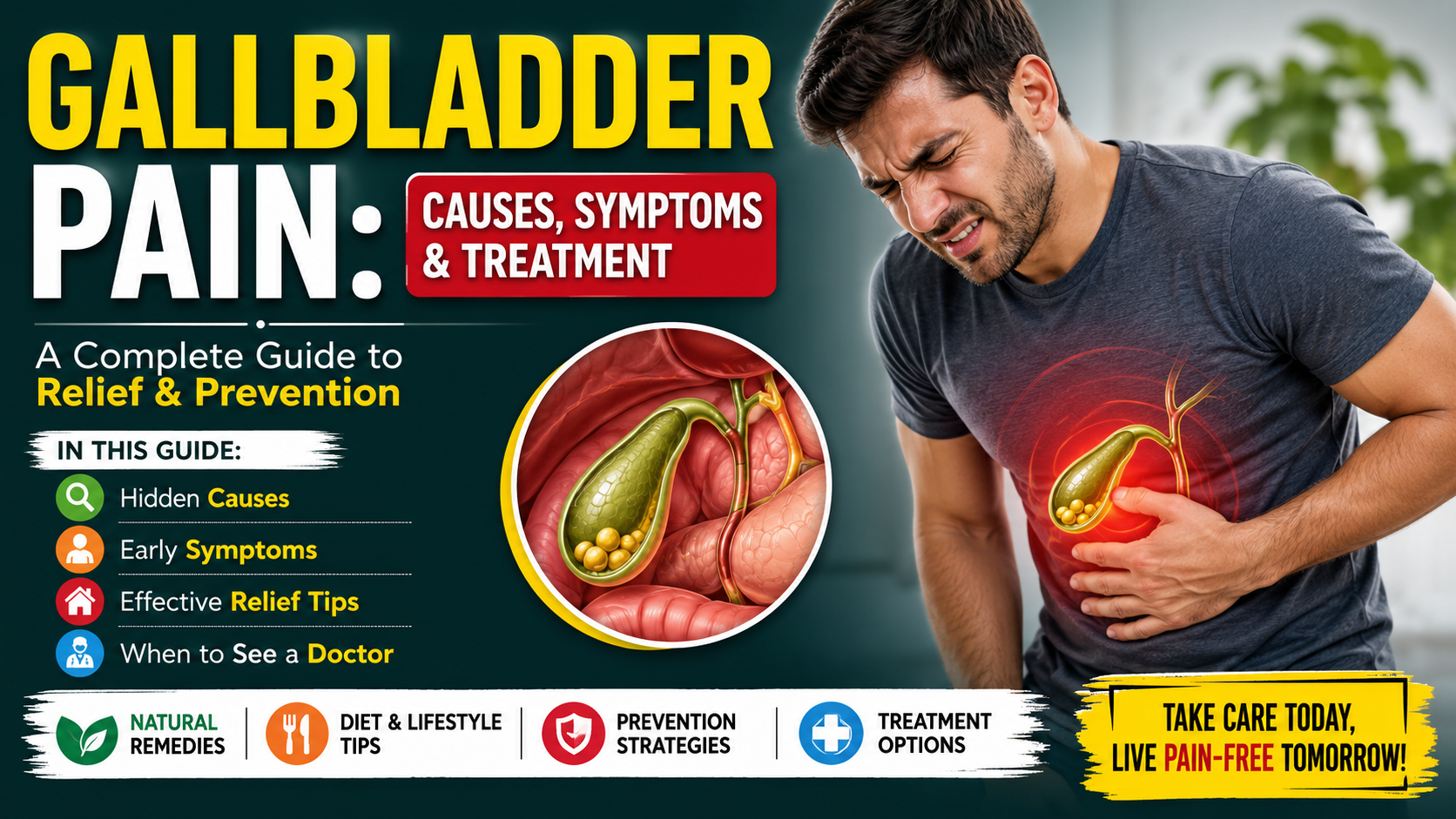
What Are the Main Causes of Gallbladder Pain?
Gallbladder pain is a common health issue that many people experience at some point in their lives. The gallbladder is a small organ located under the liver, and its main function is to store bile, a digestive fluid that helps break down fats. When something goes wrong with this organ, it can lead to discomfort or sharp pain, usually in the upper right side of the abdomen. Understanding the reasons behind gallbladder pain can guide you in making better choices for its prevention and proper treatment.
1. Gallstones (Most Common Cause)
Gallstones are the leading cause of gallbladder pain. These are small, hard deposits that form inside the gallbladder, usually made of cholesterol or bilirubin. When gallstones obstruct the bile ducts, they may trigger sudden and severe pain, commonly known as a gallbladder attack. The pain can last anywhere from a few minutes to several hours and may even radiate to the back or the right shoulder in some cases.
2. Inflammation of the Gallbladder (Cholecystitis)
Cholecystitis occurs when the gallbladder becomes inflamed, often due to a blockage caused by gallstones. This condition can cause severe pain, fever, nausea, and vomiting. If not treated on time, it may lead to serious complications, including infection or damage to the gallbladder.
3. Bile Duct Blockage
Sometimes, gallstones or other factors can block the bile ducts, preventing bile from flowing properly. This blockage can cause pressure to build up in the gallbladder, leading to pain and discomfort. In certain situations, it may also lead to jaundice, which causes a yellowish tint in the skin and eyes.
4. Gallbladder Infection
A blockage can cause bile to become trapped inside the gallbladder, which may lead to infection along with swelling and discomfort. This can lead to swelling, severe pain, and even pus formation in extreme cases. Infection requires immediate medical attention, as it can become life-threatening if ignored.
5. Poor Diet and Lifestyle
Unhealthy eating habits, such as consuming high-fat, fried, and processed foods, can increase the risk of gallbladder problems. Leading an inactive lifestyle along with carrying extra body weight can also raise the chances of developing this condition. A poor lifestyle can lead to the formation of gallstones and other digestive issues.
6. Other Medical Conditions
Certain medical conditions like liver disease, diabetes, or rapid weight loss can also increase the risk of gallbladder pain. Additionally, hormonal changes, especially in women, can play a role in gallstone formation.
How to Identify the Symptoms of Gallbladder Pain?
Recognizing the symptoms of gallbladder pain at an early stage is very important, as it helps prevent serious complications. In many cases, gallbladder pain starts suddenly and may range from a mild ache to severe, sharp discomfort. It is typically felt in the upper right area of the abdomen, just beneath the ribs, though in some cases the discomfort may radiate to other parts of the body.
1. Sharp Pain in the Upper Right Abdomen
One of the most common signs is a sudden, sharp pain felt on the upper right side of the abdomen. This pain often occurs after eating, especially fatty or heavy meals. It may last for a few minutes or even several hours.
2. Pain That Spreads to the Back or Shoulder
Gallbladder pain doesn’t always remain in one spot. In many cases, it can radiate to the right shoulder or even the upper back. This type of referred pain is a strong indicator of gallbladder issues.
3. Nausea and Vomiting
Digestive discomfort is another key symptom. Individuals with gallbladder issues frequently experience nausea, and in certain cases, this may also lead to vomiting. This usually happens when the digestive system is unable to process fats properly.
4. Fever and Chills
If the gallbladder becomes inflamed or develops an infection, it can lead to symptoms such as fever and chills. This indicates that the condition may be serious and could require immediate medical attention.
5. Bloating and Indigestion
Many individuals feel bloated or experience frequent indigestion. Gas, discomfort after eating, and a feeling of fullness are common signs linked to gallbladder problems.
6. Jaundice (Yellowing of Skin and Eyes)
In more serious cases, a blockage in the bile duct may result in jaundice. This condition causes the skin and eyes to turn yellow and indicates a more serious underlying issue.
Effective Ways to Get Relief from Gallbladder Pain
Gallbladder pain can be very uncomfortable and, in some cases, extremely painful. While proper medical treatment is important for serious conditions, there are several effective ways to manage and reduce gallbladder pain, especially in its early stages. Making the right lifestyle choices and following simple remedies can significantly improve your condition and prevent further complications.
1. Follow a Low-Fat Diet
Making changes to your daily diet is one of the most effective ways to manage and reduce gallbladder pain. Foods high in fat, such as fried items, fast food, and processed snacks, can trigger pain by forcing the gallbladder to work harder. Instead, focus on eating low-fat and easily digestible foods like fruits, vegetables, whole grains, and lean proteins.
2. Stay Hydrated
Drinking enough water plays a crucial role in maintaining proper digestion and bile flow. Staying hydrated helps the body flush out toxins and supports the normal functioning of the gallbladder. Try to maintain a habit of drinking around 7–8 glasses of water every day.
3. Use Warm Compress
Applying a warm compress or heating pad to the upper right abdomen can help relax muscles and reduce pain. This easy technique can help ease discomfort quickly, particularly during mild episodes of gallbladder pain.
4. Avoid Heavy Meals
Eating large meals at once can put extra pressure on your digestive system. Instead, consider eating smaller portions more frequently throughout the day. This helps the gallbladder function more efficiently and reduces the chances of pain.
5. Maintain a Healthy Weight
Being overweight increases the risk of gallbladder problems, including gallstones. However, rapid weight loss can also trigger gallbladder issues. Keeping your body weight in a healthy range with proper nutrition and consistent exercise is important for overall health.
6. Try Natural Remedies
Some natural remedies like drinking warm lemon water or herbal teas may help improve digestion and reduce discomfort. However, these should only be used as supportive methods and not as a replacement for medical treatment.
7. Seek Medical Advice When Needed
If the pain becomes intense, occurs frequently, or comes along with symptoms such as fever, vomiting, or jaundice, seeking immediate medical help is essential. In some cases, medications or surgery may be required to treat the underlying problem.
By following these effective strategies, you can manage gallbladder pain and improve your overall digestive health.
When to See a Doctor for Gallbladder Pain
Gallbladder pain is not something that should always be ignored. Although mild discomfort may sometimes resolve on its own, there are instances where the pain can indicate a serious underlying condition. Knowing when to seek medical help is extremely important, as early diagnosis can prevent complications and ensure proper treatment.
1. Severe and Sudden Pain
If you experience intense and sudden pain in the upper right abdomen that does not improve within a few hours, it could be a sign of a gallbladder attack. This type of pain can be sharp, unbearable, and may come in waves. Ignoring such pain can lead to serious health risks.
2. Pain Lasting for Several Hours
Normal digestive discomfort usually fades quickly, but gallbladder pain that lasts for more than 3–4 hours should not be taken lightly. Continuous pain may indicate gallstones blocking the bile duct or inflammation in the gallbladder.
3. Fever and Chills
The presence of fever along with abdominal pain is a warning sign of infection. When the gallbladder becomes inflamed or infected, it can lead to a condition that requires urgent medical care. Chills, sweating, and weakness may also accompany the fever.
4. Persistent Nausea and Vomiting
Occasional nausea may not be serious, but repeated vomiting along with abdominal pain can be a sign of a more severe gallbladder issue. This can also lead to dehydration and weakness if not treated in time.
5. Yellowing of Skin and Eyes (Jaundice)
If you notice a yellow tint in your skin or eyes, it may indicate a blockage in the bile duct. This condition, known as jaundice, is a serious symptom and requires immediate medical attention.
6. Dark Urine and Pale Stools
Alterations in the color of urine and stool may also indicate issues related to the gallbladder. Dark urine and light-colored stools may suggest that bile is not flowing properly, which could be due to a blockage.
7. Repeated Episodes of Pain
If you frequently experience similar types of abdominal pain, especially after eating fatty foods, it is a clear sign that something is wrong. Repeated episodes should not be ignored, as they often indicate chronic gallbladder disease.
8. Difficulty in Daily Activities
When the pain starts interfering with your daily routine, such as eating, sleeping, or working, it is time to consult a doctor. Persistent discomfort can reduce your quality of life and may worsen over time.
Seeking medical attention at the right time can prevent serious complications like infection, rupture of the gallbladder, or damage to nearby organs. A doctor may recommend tests such as ultrasound, blood tests, or other diagnostic procedures to identify the exact cause and provide proper treatment.
Conclusion
Gallbladder pain is a condition that should never be taken lightly. As discussed, it can be caused by several factors such as gallstones, inflammation, infections, or an unhealthy lifestyle. Understanding these causes helps in identifying the root problem early and taking the right steps toward prevention and treatment.
At the same time, recognizing the symptoms—like sharp abdominal pain, nausea, vomiting, and discomfort after eating—plays a key role in early detection. Many people ignore these warning signs, thinking they are just minor digestive issues, but in reality, they can indicate a more serious problem related to the gallbladder.
Making small lifestyle improvements, such as following a low-fat diet, staying hydrated, and exercising regularly, can greatly help in lowering the risk of gallbladder pain. Home remedies and small adjustments in daily habits can provide relief in mild cases, but they should not replace proper medical care when the condition becomes severe.
Most importantly, knowing when to consult a doctor is crucial. Severe or ongoing pain, along with symptoms like fever, yellowing of the skin, or repeated discomfort, are strong indicators that you should seek medical help right away. Ignoring these can lead to complications and more serious health issues.
In short, awareness, timely action, and a healthy lifestyle are the key to managing and preventing gallbladder pain effectively.
Frequently Asked Questions
Q1. What is the most common cause of gallbladder pain?
A: The most common cause of gallbladder pain is gallstones. These are hard deposits that form inside the gallbladder and can block the bile ducts, leading to sudden and intense pain, especially after eating fatty foods.
Q2. How can I identify if my pain is related to the gallbladder?
A: Gallbladder pain is usually felt in the upper right abdomen and may spread to the back or right shoulder. It often occurs after meals and may be accompanied by nausea, vomiting, or bloating.
Q3. Can gallbladder pain be relieved without surgery?
A: Yes, mild gallbladder pain can sometimes be managed with lifestyle changes such as eating a low-fat diet, staying hydrated, and avoiding heavy meals. However, severe or repeated pain may require medical treatment or surgery.
Q4. When should I see a doctor for gallbladder pain?
A: You should consult a doctor if the pain is severe, lasts for several hours, or is accompanied by symptoms like fever, vomiting, or yellowing of the skin and eyes. These signs may indicate a serious condition.
Q5. What foods should be avoided to prevent gallbladder pain?
A: Foods high in fat, such as fried items, fast food, and processed snacks, should be avoided. Instead, a diet rich in fruits, vegetables, whole grains, and lean proteins can help maintain gallbladder health.