
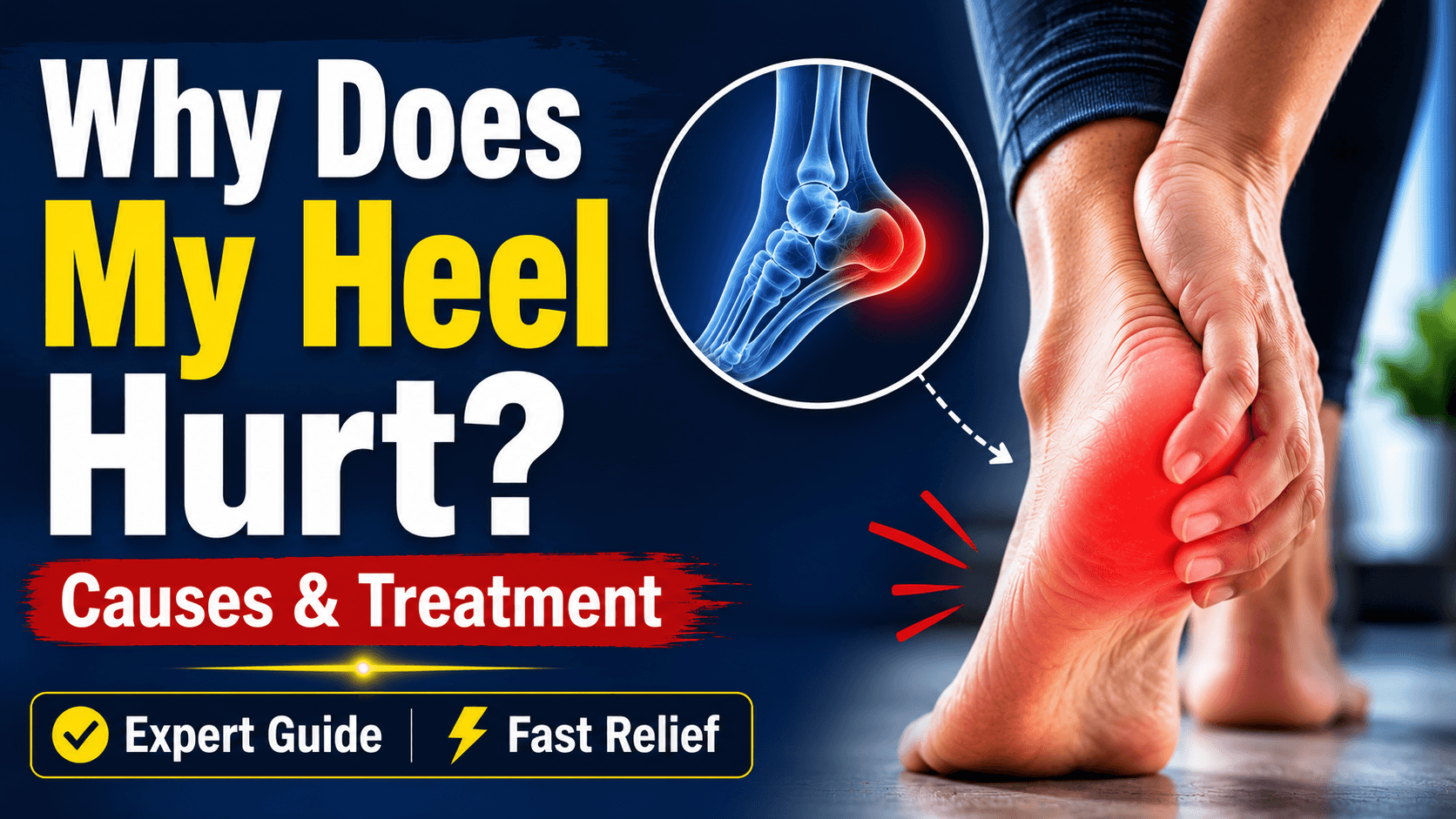
What Is Heel Pain?
Heel pain is a common foot problem that affects people of all ages. It can develop gradually over time or appear suddenly after an injury. The pain may be mild and only noticeable when taking the first few steps in the morning, or it may become severe enough to make walking, running, or standing difficult. Since the heel absorbs a significant amount of pressure every day, even a small problem can cause noticeable discomfort.
Your heel is made up of the calcaneus (heel bone), muscles, ligaments, tendons, nerves, and soft tissues that work together to support your body weight and maintain balance. Every step you take places stress on these structures. When any of them become inflamed, irritated, injured, or damaged, heel pain can develop.
Heel pain doesn’t always mean a serious condition. It is often caused by overuse, poor-fitting shoes, prolonged standing, or activities like running and jumping. Persistent or severe heel pain may need medical attention.
Why Does Heel Pain Happen?
There are several reasons why your heel may hurt. Some of the most common causes include:
- Plantar fasciitis: Inflammation of the plantar fascia, a common cause of heel pain.
- Achilles tendon problems: Overuse or injury can cause pain at the back of the heel.
- Heel spurs: Calcium deposits on the heel bone that may cause pain.
- Overuse injuries: Running, jumping, or standing for long hours can place excessive stress on the heel.
- Improper footwear: Shoes that lack proper cushioning or arch support increase pressure on the heel.
- Excess body weight: Carrying extra weight places additional strain on the feet and heels.
- Foot structure: Flat feet, high arches, or an abnormal walking pattern can affect how pressure is distributed across the heel.
- Injuries: Bruises, sprains, fractures, or sudden impacts can lead to heel pain.
Common Risk Factors
Certain factors make heel pain more likely to occur:
- Spending long hours standing at work.
- Frequently walking or running on hard surfaces.
- Participating in sports with repetitive jumping or sprinting.
- Wearing old, worn-out, or poorly fitting shoes.
- Being overweight or obese.
- Having diabetes or certain inflammatory conditions.
- Getting older, as the tissues naturally lose flexibility over time.
How Heel Pain Can Affect Daily Life
Heel pain may seem minor at first, but it can gradually interfere with everyday activities. People with heel pain often experience:
- Difficulty taking the first steps after waking up.
- Pain while standing for long periods.
- Discomfort during walking, running, or climbing stairs.
- Reduced physical activity due to pain.
- Changes in walking style, which may lead to knee, hip, or lower back pain over time.
Ignoring persistent heel pain can sometimes make the problem worse. Early identification of the underlying cause and proper treatment can help relieve discomfort, restore normal movement, and prevent long-term complications. See a doctor if heel pain lasts for weeks, becomes severe, or causes swelling, redness, fever, or trouble walking.
Common Causes of Heel Pain
Heel pain can develop for many different reasons, and identifying the exact cause is the first step toward effective treatment. Some conditions affect the bottom of the heel, while others cause pain at the back or sides. In many cases, heel pain develops gradually due to repeated stress, but it can also occur suddenly after an injury.
1. Plantar Fasciitis
Plantar fasciitis is the main cause of heel pain. It happens when the plantar fascia becomes inflamed.
Common symptoms include:
- Sharp pain under the heel.
- Pain is usually worst with the first steps in the morning.
- Pain after long periods of sitting or resting.
- Pain that improves slightly with movement but may return after prolonged activity.
This condition is often seen in runners, people who stand for long hours, and individuals who wear shoes with poor arch support.
2. Achilles Tendinitis
The Achilles tendon attaches the calf muscles to the heel bone. Overuse can inflame the Achilles tendon, causing pain at the back of the heel.
Risk factors include:
- Sudden increase in physical activity.
- Running uphill or on uneven surfaces.
- Tight calf muscles.
- Lack of proper stretching before exercise.
Achilles tendinitis can cause morning stiffness and pain after physical activity.
3. Heel Spurs
Heel spurs are small calcium deposits that develop on the underside of the heel bone over time. Although many heel spurs do not cause symptoms, they may contribute to pain when combined with plantar fasciitis.
Possible signs include:
- Pain while walking or standing.
- Tenderness around the heel.
- Mild inflammation near the bottom of the foot.
4. Heel Bursitis
Bursae are fluid-filled sacs that protect joints and reduce friction. When a bursa near the heel becomes inflamed, it can lead to heel bursitis.
This condition may be caused by:
- Repetitive pressure on the heel.
- Wearing tight or poorly fitting shoes.
- Long-distance walking or running.
- Direct injury to the heel.
Heel pain is often felt at the back of the heel and can get worse when wearing shoes.
5. Stress Fracture
A stress fracture is a small crack in the heel bone caused by repeated pressure or impact. Athletes, military personnel, and people who suddenly increase their exercise routine are more likely to develop stress fractures.
Symptoms may include:
- Deep, aching heel pain.
- Swelling around the heel.
- Pain worsens with activity and eases with rest.
- Tenderness when pressing on the heel.
6. Tarsal Tunnel Syndrome
Tarsal tunnel syndrome occurs when the tibial nerve becomes compressed near the ankle. Although less common, it can cause heel pain along with nerve-related symptoms.
Typical symptoms include:
- Burning pain.
- Tingling or numbness.
- Electric shock-like sensations.
- Pain that spreads into the arch or toes.
7. Arthritis and Other Medical Conditions
Certain inflammatory diseases can also contribute to chronic heel pain. These include:
- Rheumatoid arthritis.
- Osteoarthritis.
- Ankylosing spondylitis.
- Gout.
These conditions often affect multiple joints and may cause stiffness, swelling, and pain in addition to heel discomfort.
Other Factors That Can Trigger Heel Pain
Several everyday habits and lifestyle factors can increase your risk of developing heel pain:
- Standing for long hours without adequate rest.
- Wearing worn-out or unsupportive footwear.
- Walking barefoot on hard surfaces.
- Being overweight or obese.
- Having flat feet or unusually high arches.
- Tight calf muscles or reduced ankle flexibility.
- Poor walking or running technique.
- Sudden increases in exercise intensity.
Because heel pain can have many different causes, proper diagnosis is important. Understanding the underlying reason helps healthcare providers recommend the most appropriate treatment, whether it involves rest, stretching exercises, supportive footwear, physical therapy, medication, or other medical interventions. Early treatment helps prevent symptoms from getting worse and speeds up recovery.
Symptoms That May Accompany Heel Pain
Heel pain is not always limited to discomfort in the heel itself. Depending on the underlying cause, you may experience a variety of symptoms that affect how you walk, stand, or perform everyday activities. Some people notice only mild soreness, while others develop severe pain that interferes with work, exercise, or even simple movements like climbing stairs.
The location, intensity, and timing of the pain often provide important clues about the condition causing it. Paying attention to these symptoms can help healthcare providers make an accurate diagnosis and recommend the most effective treatment.
Common Symptoms of Heel Pain
Many people with heel pain experience one or more of the following symptoms:
- Sharp or stabbing pain under the heel.
- Dull, aching pain that persists throughout the day.
- Pain at the back of the heel, near the Achilles tendon.
- Tenderness when touching the heel.
- Swelling around the heel or ankle.
- Redness or warmth in the affected area.
- Stiffness in the foot, especially after resting.
- Difficulty walking comfortably.
- Pain that worsens after prolonged standing or physical activity.
Morning Heel Pain
One of the most recognizable symptoms of plantar fasciitis is pain during the first few steps after getting out of bed. This happens because the plantar fascia tightens while you sleep. When you begin walking, the tissue stretches suddenly, causing sharp pain.
Many people notice that:
- The pain is strongest in the morning.
- Walking for a few minutes may reduce the discomfort.
- The pain often returns after long periods of sitting.
- Symptoms may worsen again by the end of the day.
Pain During Physical Activity
Heel pain may behave differently depending on the cause. Some conditions become painful only during activity, while others worsen afterward.
You may notice pain while:
- Walking long distances.
- Running or jogging.
- Climbing stairs.
- Standing for extended periods.
- Jumping or participating in sports.
- Carrying heavy objects.
Ignoring these symptoms and continuing strenuous activities may increase inflammation and delay healing.
Swelling and Tenderness
Inflammation can cause visible swelling around the heel or the back of the foot. The affected area may become sensitive to touch, making it uncomfortable to wear certain shoes or place pressure on the heel.
Signs of inflammation include:
- Mild or noticeable swelling.
- Tenderness when pressing the heel.
- Warmth around the painful area.
- Increased discomfort after activity.
Changes in Walking Pattern
As heel pain becomes more severe, many people unconsciously change the way they walk to avoid putting pressure on the affected foot. While this may temporarily reduce heel discomfort, it can create additional problems over time.
An altered walking pattern may lead to:
- Knee pain.
- Hip pain.
- Lower back pain.
- Muscle fatigue.
- Reduced balance and stability.
Treating heel pain early can help prevent these secondary problems.
Symptoms That Require Immediate Medical Attention
Although most cases of heel pain are not emergencies, some symptoms should never be ignored. Seek prompt medical care if you experience:
- Severe pain after a fall or injury.
- Inability to bear weight on the affected foot.
- Significant swelling or deformity.
- Fever along with heel pain.
- Redness that spreads rapidly.
- Numbness or loss of sensation in the foot.
- An open wound or signs of infection.
These symptoms may indicate a fracture, serious infection, nerve injury, or another condition requiring urgent treatment.
Why Monitoring Symptoms Is Important
Keeping track of when the pain occurs, where it is located, and what activities make it better or worse can help identify the underlying cause of heel pain. Symptoms that persist for more than a few weeks, continue to worsen despite home care, or repeatedly return should be evaluated by a healthcare professional.
Recognizing these warning signs early allows for timely diagnosis and appropriate treatment, helping reduce pain, improve mobility, and prevent long-term complications that could affect your daily life.
How Is Heel Pain Diagnosed?
Diagnosing heel pain begins with identifying the exact cause of the discomfort. Because many conditions can lead to heel pain, healthcare providers use a combination of medical history, physical examination, and diagnostic tests to determine what is affecting the heel. An accurate diagnosis is important because the right treatment depends on the underlying condition. Treating heel pain without knowing its cause may provide only temporary relief while allowing the problem to worsen.
Most cases of heel pain can be diagnosed through a detailed examination, but additional tests may be recommended if a fracture, nerve disorder, infection, or another serious condition is suspected.
Medical History
The first step in diagnosing heel pain is discussing your symptoms and overall health. Your healthcare provider may ask several questions, including:
- When did the heel pain start?
- Did the pain begin suddenly or gradually?
- Where exactly is the pain located?
- Is the pain worse in the morning or after activity?
- Have you recently increased your physical activity?
- Have you had any recent injuries or falls?
- What type of shoes do you wear regularly?
- Do you have conditions such as diabetes, arthritis, or gout?
Your answers help narrow down the possible causes and guide further evaluation.
Physical Examination
A physical examination allows the healthcare provider to identify areas of tenderness, swelling, and reduced movement. During the examination, they may:
- Press on different parts of the heel to locate the source of pain.
- Check for swelling, redness, or bruising.
- Evaluate the range of motion in the foot and ankle.
- Assess muscle strength and flexibility.
- Examine your walking pattern (gait).
- Check the arches of your feet.
- Look for signs of tendon or ligament injuries.
This examination often provides valuable clues about whether the pain is caused by plantar fasciitis, Achilles tendinitis, bursitis, or another condition.
Imaging Tests
If the cause of heel pain is unclear or a more serious injury is suspected, imaging tests may be recommended.
Common imaging tests include:
- X-ray: Helps detect fractures, heel spurs, bone abnormalities, or arthritis.
- Ultrasound: Can identify inflammation, tendon injuries, and soft tissue problems.
- MRI (Magnetic Resonance Imaging): Provides detailed images of bones, tendons, ligaments, muscles, and nerves. It is especially useful for diagnosing stress fractures or severe soft tissue injuries.
- CT Scan: Occasionally used for complex fractures or detailed bone evaluation.
Not every patient requires imaging tests. Many cases of plantar fasciitis can be diagnosed based on symptoms and physical examination alone.
Laboratory Tests
If an inflammatory disease or infection is suspected, your healthcare provider may recommend blood tests.
These tests can help identify conditions such as:
- Rheumatoid arthritis.
- Gout.
- Ankylosing spondylitis.
- Infections affecting the foot.
- Other inflammatory disorders.
Blood tests are generally ordered only when symptoms suggest an underlying medical condition beyond a simple overuse injury.
When Should You Seek Medical Evaluation?
Although mild heel pain may improve with rest and home care, medical evaluation is recommended if:
- Pain lasts longer than two to three weeks.
- Walking becomes difficult.
- Home treatments do not provide relief.
- Swelling continues to increase.
- Pain follows a significant injury.
- You notice numbness or tingling.
- Fever or redness develops around the heel.
- You cannot put weight on your foot.
Early diagnosis can prevent the condition from becoming more severe and may reduce recovery time.
Why an Accurate Diagnosis Matters
Heel pain can have many different causes, and each condition requires a different treatment approach. For example, plantar fasciitis is often managed with stretching exercises and supportive footwear, while a stress fracture may require rest and temporary immobilization. Similarly, nerve-related conditions or inflammatory diseases may need specialized medical treatment.
Receiving an accurate diagnosis allows healthcare providers to create a treatment plan tailored to your specific condition. Early identification not only relieves pain more effectively but also helps restore normal movement, reduces the risk of long-term complications, and enables you to return safely to your daily activities.
Best Treatment Options for Heel Pain
The best treatment for heel pain depends on its underlying cause, severity, and how long the symptoms have been present. In many cases, heel pain improves with conservative treatments such as rest, stretching exercises, supportive footwear, and lifestyle changes. However, if the pain persists or becomes severe, medical treatment may be necessary. Starting treatment early can help reduce inflammation, relieve discomfort, and prevent long-term complications.
1. Rest and Reduce Stress on the Heel
Giving your heel time to heal is one of the best first steps. Continuing activities that worsen the pain can delay recovery.
Helpful ways to rest your heel include:
- Avoid running or jumping until the pain improves.
- Reduce prolonged standing whenever possible.
- Take frequent breaks if your job requires standing.
- Choose low-impact exercises like swimming or cycling instead of running.
- Gradually return to normal activities once the pain decreases.
Rest does not mean complete inactivity but rather avoiding movements that place excessive pressure on the heel.
2. Apply Ice to Reduce Pain and Swelling
Ice therapy can help decrease inflammation and temporarily relieve pain, especially after physical activity.
For safe ice application:
- Wrap an ice pack in a thin towel.
- Apply it to the painful area for 15–20 minutes at a time.
- Repeat 3–4 times daily, especially after exercise.
- Never place ice directly on the skin to avoid frostbite.
Cold therapy is often most beneficial during the first few days after symptoms begin or after a flare-up.
3. Wear Supportive Footwear
Proper footwear plays a major role in both treating and preventing heel pain. Shoes with good cushioning and arch support reduce stress on the heel during daily activities.
Choose shoes that offer:
- Adequate heel cushioning.
- Good arch support.
- A comfortable, secure fit.
- Shock-absorbing soles.
- A stable heel counter for better foot support.
Avoid wearing worn-out shoes or walking barefoot on hard floors, as these can increase heel strain.
4. Stretching and Strengthening Exercises
Regular stretching helps improve flexibility and reduces tension on the plantar fascia and Achilles tendon.
Common exercises include:
- Calf muscle stretches.
- Plantar fascia stretches.
- Toe stretches.
- Heel raises.
- Rolling the foot over a frozen water bottle or a massage ball.
Performing these exercises consistently, as recommended by a healthcare professional or physical therapist, may improve symptoms and reduce the chance of recurrence.
5. Physical Therapy
If heel pain does not improve with home care, physical therapy may be recommended.
A physical therapist can help by:
- Teaching proper stretching techniques.
- Strengthening the muscles of the foot and lower leg.
- Improving balance and walking mechanics.
- Using manual therapy to reduce stiffness.
- Recommending supportive taping techniques when appropriate.
Physical therapy can be particularly helpful for chronic plantar fasciitis and Achilles tendinitis.
6. Medications
Your healthcare provider may recommend medications to reduce pain and inflammation.
Common options include:
- Over-the-counter pain relievers such as acetaminophen.
- Nonsteroidal anti-inflammatory drugs (NSAIDs), if appropriate for you.
- Prescription medications for certain inflammatory conditions.
Use medications only as directed, as they may not be suitable for everyone.
7. Orthotics and Heel Supports
Custom or over-the-counter orthotic inserts can improve foot alignment and reduce pressure on the heel.
These devices may help:
- Support the arch.
- Cushion the heel.
- Correct abnormal foot mechanics.
- Reduce stress during walking.
Heel cups or silicone heel pads may also provide additional comfort for some individuals.
8. Advanced Medical Treatments
If conservative treatments fail after several months, a healthcare provider may consider more advanced options.
These may include:
- Corticosteroid injections for selected cases.
- Use night splints to keep the plantar fascia stretched while you sleep.
- Immobilization with a walking boot for certain injuries.
- Extracorporeal shock wave therapy (ESWT) for chronic cases.
- Surgery in rare situations when other treatments have not been successful.
These treatments are generally reserved for persistent or severe heel pain and should be discussed with a qualified healthcare professional.
Recovery and Long-Term Care
Most people recover from heel pain with consistent treatment and healthy foot care habits. Following your treatment plan, wearing supportive footwear, maintaining a healthy body weight, stretching regularly, and avoiding sudden increases in physical activity can significantly reduce the risk of future heel problems.
If your heel pain lasts for several weeks, worsens despite treatment, or prevents you from walking normally, seek medical evaluation. Early diagnosis and appropriate treatment offer the best chance for a full recovery and help you return safely to your daily routine.
How to Prevent Heel Pain in the Future
Preventing heel pain is better than treating it. Whether you have experienced heel pain before or want to avoid it altogether, adopting healthy foot care habits can significantly reduce your risk. Taking good care of your feet helps protect the bones, muscles, tendons, and ligaments from extra stress. Healthy habits, supportive shoes, and regular exercise help keep your feet pain-free.
1. Wear Properly Fitted Shoes
One of the most effective ways to prevent heel pain is by wearing shoes that provide excellent support and cushioning. Shoes that are too tight, too loose, or lack proper arch support can place excessive pressure on the heel.
When choosing footwear, look for:
- Good arch support.
- Soft heel cushioning.
- Shock-absorbing soles.
- A comfortable fit with enough toe space.
- A sturdy heel counter for stability.
Avoid wearing worn-out shoes, high heels for extended periods, or flat sandals without support. If your shoes have lost their cushioning, replace them before they begin affecting your feet.
2. Stretch Your Feet and Calf Muscles Regularly
Tight muscles and tendons can contribute to heel pain, especially plantar fasciitis and Achilles tendinitis. Stretching keeps these tissues flexible and reduces tension on the heel.
Helpful stretches include:
- Calf stretches against a wall.
- Plantar fascia stretches.
- Achilles tendon stretches.
- Toe stretches.
- Ankle mobility exercises.
Do these stretches before and after exercise, and after sitting for long periods. Even spending five to ten minutes daily on stretching can improve flexibility and lower the risk of injury.
3. Maintain a Healthy Body Weight
Every extra pound of body weight increases the amount of pressure placed on your feet. Over time, this additional stress can contribute to heel pain and other foot problems.
Maintaining a healthy weight can help:
- Reduce stress on the heel bone.
- Lower the risk of plantar fasciitis.
- Improve balance and mobility.
- Make walking and exercising more comfortable.
A balanced diet combined with regular physical activity supports both foot health and overall well-being.
4. Increase Physical Activity Gradually
Many heel injuries occur when people suddenly increase the intensity, duration, or frequency of exercise. Give your body time to adapt to help prevent overuse injuries.
To reduce your risk:
- Increase running or walking distance gradually.
- Warm up before exercise.
- Cool down afterward.
- Include rest days in your workout routine.
- Avoid exercising through pain.
If you notice heel discomfort during exercise, reduce the intensity and allow time for recovery rather than ignoring the symptoms.
5. Avoid Standing for Long Periods
Jobs that require prolonged standing can place continuous pressure on the heels. If standing for long hours is unavoidable, taking short breaks can help reduce strain.
Practical tips include:
- Shift your weight between both feet.
- Walk around during breaks.
- Use cushioned floor mats if possible.
- Wear supportive work shoes.
- Stretch your feet during rest periods.
These simple habits can reduce fatigue and minimize stress on the heel.
6. Strengthen the Muscles of Your Feet and Legs
Strong muscles provide better support for your feet and improve overall stability. Regular strengthening exercises help distribute pressure more evenly while walking or running.
Beneficial exercises include:
- Heel raises.
- Toe curls.
- Picking up small objects with your toes.
- Balance exercises.
- Resistance band ankle exercises.
A stronger lower body also improves posture and reduces the likelihood of abnormal walking patterns that can contribute to heel pain.
7. Listen to Your Body
Pain is often an early sign that something is wrong. Ignoring mild heel discomfort and continuing strenuous activities may turn a small problem into a chronic condition.
Pay attention if you notice:
- Pain during the first steps in the morning.
- Heel discomfort after exercise.
- Swelling around the heel.
- Pain that keeps returning.
Acting early by resting, stretching, or changing your shoes can help prevent serious injuries.
8. Schedule Regular Foot Checkups if Needed
People with diabetes, arthritis, or chronic foot problems should have regular foot evaluations. Early detection of changes in foot structure or walking patterns can help prevent long-term complications.
You should also consult a healthcare professional if:
- Heel pain lasts more than a few weeks.
- Walking becomes difficult.
- Pain keeps returning despite home care.
- Swelling or redness develops.
- You experience numbness or weakness in the foot.
Healthy Habits for Long-Term Foot Care
Good foot health is the result of consistent daily habits rather than one-time treatments. Wearing supportive shoes, maintaining flexibility, strengthening your feet and legs, staying physically active, and responding promptly to early symptoms can greatly reduce your chances of developing heel pain. By taking preventive measures and caring for your feet every day, you can continue walking, working, exercising, and enjoying your daily activities with greater comfort and confidence while minimizing the risk of future heel problems.
When to See a Doctor for Heel Pain
Heel pain is often caused by minor conditions such as overuse, wearing improper footwear, or temporary inflammation. In many cases, the discomfort improves within a few days or weeks with rest, stretching exercises, ice therapy, and supportive shoes. However, heel pain that is severe, persistent, or accompanied by other concerning symptoms should not be ignored. Seeking medical attention at the right time can help identify the underlying cause, prevent complications, and ensure you receive the most effective treatment.
Although occasional heel soreness after a long day of walking or exercise is common, pain that interferes with your daily activities or continues despite home treatment may indicate a more serious condition.
Signs That You Should See a Doctor
See a doctor if you have any of these:
- Heel pain that lasts longer than two to three weeks.
- Pain that continues to worsen over time.
- Difficulty walking or standing because of the pain.
- Pain that returns frequently after improving.
- Swelling around the heel that does not improve.
- Pain that affects work, exercise, or daily activities.
- Home treatments such as rest, ice, and stretching do not provide relief.
A healthcare professional can evaluate your symptoms and recommend the appropriate treatment based on the cause of your heel pain.
Seek Immediate Medical Attention If You Notice
Some symptoms may indicate a more serious injury or medical condition that requires urgent evaluation.
Seek immediate medical care if you have:
- Severe heel pain after a fall or accident.
- Inability to put weight on the affected foot.
- A visible deformity of the foot or ankle.
- Sudden, intense swelling.
- Redness and warmth spreading around the heel.
- Fever along with heel pain.
- An open wound or signs of infection.
- Numbness, tingling, or loss of sensation in the foot.
These symptoms may be associated with fractures, infections, nerve injuries, or other conditions that require prompt medical treatment.
What to Expect During Your Medical Visit
Your healthcare provider will review your symptoms, medical history, and perform a physical exam.
They may ask questions such as:
- When did the pain begin?
- Where exactly is the pain located?
- What activities make the pain better or worse?
- Have you recently increased your physical activity?
- Have you experienced any injuries?
- Do you have diabetes, arthritis, or other chronic conditions?
Depending on your symptoms, additional tests such as X-rays, ultrasound, MRI scans, or blood tests may be recommended to confirm the diagnosis.
Why Early Diagnosis Matters
Many causes of heel pain respond well to early treatment. Delaying medical evaluation may allow inflammation or tissue damage to worsen, making recovery more difficult and increasing the risk of chronic pain.
Early diagnosis can help:
- Identify the exact cause of the pain.
- Prevent long-term damage to the foot.
- Reduce recovery time.
- Improve mobility and daily function.
- Lower the risk of recurring heel problems.
Following the treatment plan recommended by your healthcare provider also improves the chances of a full recovery.
Tips While Waiting for Your Appointment
If your symptoms are not an emergency but you are waiting to see a healthcare provider, you can take a few simple steps to reduce discomfort:
- Rest the affected foot whenever possible.
- Apply an ice pack for 15–20 minutes several times a day.
- Wear supportive, well-cushioned shoes.
- Avoid running or high-impact activities.
- Perform gentle stretching exercises only if they do not increase the pain.
- Keep track of your symptoms so you can accurately describe them during your appointment.
Heel pain is a common condition, but it should never be ignored if it becomes persistent, severe, or begins to interfere with your daily life. While many cases improve with conservative care, ongoing pain may indicate conditions such as plantar fasciitis, Achilles tendinitis, stress fractures, nerve compression, or inflammatory diseases that require professional evaluation. Early medical care helps ensure the right diagnosis, faster treatment, and quicker recovery. With proper care, most people can relieve heel pain and return to normal activities.
Conclusion
Heel pain is a common problem that can affect people of all ages, but it does not have to become a long-term issue. Understanding the possible causes—such as plantar fasciitis, Achilles tendinitis, heel spurs, overuse injuries, or improper footwear—is the first step toward finding the right treatment. Paying attention to symptoms, getting an accurate diagnosis, and following an appropriate treatment plan can significantly reduce pain and improve your quality of life.
In many cases, simple measures like resting the foot, applying ice, performing regular stretching exercises, wearing supportive shoes, and maintaining a healthy body weight are enough to relieve symptoms and prevent future problems. However, if your heel pain is severe, lasts for several weeks, or makes walking difficult, it is important to consult a healthcare professional for proper evaluation and care.
Taking good care of your feet every day is one of the best ways to stay active and pain-free. By adopting healthy habits and seeking timely treatment when needed, you can protect your heels, improve mobility, and continue enjoying your daily activities with comfort and confidence. Early action not only speeds recovery but also helps prevent recurring heel pain and long-term complications.
Frequently Asked Questions
Q1. What is the most common cause of heel pain?
A: The most common cause of heel pain is plantar fasciitis, a condition in which the plantar fascia (a thick band of tissue connecting the heel to the toes) becomes inflamed. It often causes sharp pain with the first steps in the morning.
Q2. Can heel pain go away on its own?
A: Yes, mild heel pain may improve with rest, ice therapy, stretching exercises, and supportive footwear. However, if the pain lasts for more than two to three weeks or becomes severe, you should consult a healthcare provider.
Q3. Why does my heel hurt more in the morning?
A: Heel pain is often worse in the morning because the plantar fascia tightens while you sleep. When you take your first few steps, the tissue stretches suddenly, causing sharp pain.
Q4. Which shoes are best for preventing heel pain?
A: Shoes with good arch support, cushioned soles, proper heel support, and a comfortable fit are best for preventing heel pain. Avoid worn-out shoes or walking barefoot on hard surfaces.
Q5. Can being overweight cause heel pain?
A: Yes. Excess body weight increases pressure on the heel, which can strain the plantar fascia and other foot structures, raising the risk of heel pain and related conditions.
Q6. When should I see a doctor for heel pain?
A: You should see a doctor if heel pain lasts longer than 2–3 weeks, becomes severe, prevents you from walking normally, or is accompanied by swelling, redness, numbness, fever, or pain after an injury.
Q7. Are stretching exercises effective for heel pain?
A: Yes. Regular stretching of the calf muscles, Achilles tendon, and plantar fascia can reduce tension, improve flexibility, relieve pain, and help prevent future episodes of heel pain.
Q8. Can heel pain be prevented?
A: In many cases, yes. Wearing supportive footwear, maintaining a healthy weight, stretching regularly, avoiding overuse, and gradually increasing physical activity can significantly reduce the risk of heel pain.
Q9. Is heel pain always a sign of a serious condition?
A: No. Most cases of heel pain are caused by common conditions such as plantar fasciitis, Achilles tendinitis, or overuse injuries. However, persistent, severe, or sudden heel pain should be evaluated by a healthcare professional to rule out fractures, infections, or other serious medical conditions.