
What Is Ringworm and What Causes It?
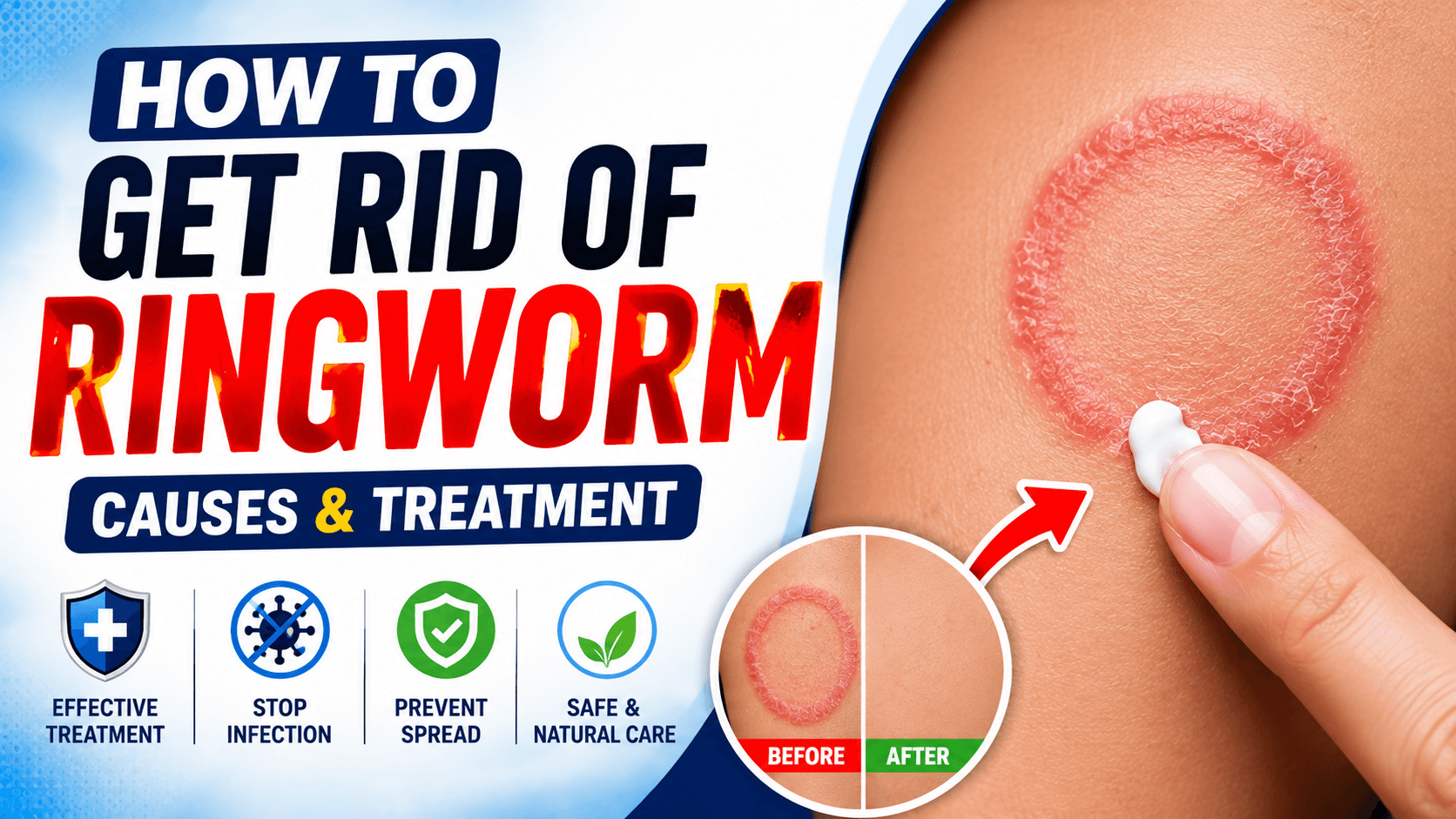
Ringworm is a common fungal skin infection that can affect people of all ages. Despite its name, ringworm is not caused by a worm. Instead, it is caused by a group of fungi called dermatophytes, which thrive on the skin, hair, and nails. These fungi feed on keratin, a protein found in the outer layer of the skin, and can spread easily through direct or indirect contact.
The infection is known as ringworm because it often appears as a red, circular, itchy rash with a clearer center, giving it a ring-like appearance. However, not every case looks exactly the same. Depending on where it develops, the symptoms can vary. Ringworm may appear on the scalp, feet, groin, beard area, hands, or other parts of the body.
Common Causes of Ringworm
Several factors can increase your risk of developing ringworm. Understanding these causes can help you reduce your chances of getting infected.
- Direct skin-to-skin contact with a person who has ringworm.
- Sharing personal items such as towels, clothing, hats, combs, razors, or bed sheets.
- Contact with infected animals, including cats, dogs, rabbits, and farm animals.
- Touching contaminated surfaces in public places like gyms, swimming pools, locker rooms, or shared bathrooms.
- Walking barefoot in damp public areas where fungal spores may be present.
- Living in warm and humid environments, which encourage fungal growth.
- Poor personal hygiene or wearing sweaty clothes for long periods.
- A weakened immune system, making it easier for fungi to infect the skin.
Who Is More Likely to Get Ringworm?
Although anyone can develop ringworm, some people have a higher risk than others.
- Children who play closely with others or pets.
- Athletes, especially those involved in wrestling or contact sports.
- People who sweat excessively or wear tight clothing for long periods.
- Pet owners whose animals carry fungal infections.
- Individuals with diabetes or weakened immunity.
- People using shared gym equipment without proper cleaning.
Is Ringworm Contagious?
Yes. Ringworm is highly contagious. The infection can spread before symptoms become obvious and may continue spreading until proper antifungal treatment begins. Early diagnosis and treatment help prevent the infection from spreading.
You can reduce the risk of spreading ringworm by:
- Avoiding direct skin contact with infected areas.
- Not sharing personal belongings with others.
- Keeping the affected area clean and dry.
- Washing hands regularly, especially after touching the infected skin.
- Cleaning clothes, towels, and bedding with hot water.
- Checking pets for signs of fungal infection if they have hair loss or scaly patches.
Key Points to Remember
- Ringworm is a fungal infection, not caused by worms.
- It spreads through people, animals, and contaminated objects.
- Warm, moist environments help the fungus grow faster.
- Early treatment can prevent the infection from spreading to other body parts or other people.
- Good hygiene and avoiding shared personal items are the best ways to reduce your risk of infection.
Understanding what ringworm is and what causes it is the first step toward effective treatment. Once you know how the infection spreads and who is most at risk, it becomes much easier to take preventive measures and begin the right treatment before the condition worsens.
How Does Ringworm Spread from Person to Person?
Ringworm is a highly contagious fungal infection that spreads easily from one person to another. The fungi responsible for ringworm produce tiny spores that can survive on skin, clothing, towels, furniture, and other surfaces for a long time. Because of this, a person can become infected even without direct contact with someone who has a visible rash.
Understanding how ringworm spreads is essential because it helps you take the right precautions to protect yourself and others. The infection can spread quickly in homes, schools, gyms, daycare centers, and other places where people share spaces or personal items.
Direct Skin-to-Skin Contact
The most common way ringworm spreads is through direct contact with an infected person’s skin.
For example, the infection can spread when you:
- Shake hands with someone who has ringworm on their hand.
- Play contact sports, such as wrestling or martial arts.
- Have close physical contact with an infected family member or friend.
- Touch an infected area without washing your hands afterward.
Even a small rash can spread the fungus to others.
Sharing Personal Items
Ringworm fungi can remain on everyday objects and infect anyone who uses them afterward.
Avoid sharing:
- Towels
- Clothing
- Bed sheets and blankets
- Hairbrushes and combs
- Hats and helmets
- Razors
- Shoes and socks
Using your own personal belongings is one of the easiest ways to reduce the risk of infection.
Contact with Infected Animals
Many people develop ringworm after touching an infected animal. Pets may carry the fungus even before obvious symptoms appear.
Animals that commonly spread ringworm include:
- Cats
- Dogs
- Rabbits
- Guinea pigs
- Cows
- Horses
Signs of ringworm in pets may include patches of hair loss, flaky skin, redness, or scaly areas. If you suspect your pet has ringworm, it should be examined and treated by a veterinarian.
Touching Contaminated Surfaces
Ringworm spores can survive on surfaces for days or even weeks under favorable conditions.
Common places where infection may spread include:
- Gym equipment
- Locker rooms
- Public showers
- Swimming pool areas
- Yoga mats
- Carpets
- Shared furniture
- School classrooms
Cleaning shared surfaces regularly and washing your hands after using public facilities can lower your risk of infection.
Warm and Moist Environments Increase the Risk
Fungi grow best in warm, humid, and sweaty conditions. This is why ringworm is more common during hot weather or after activities that cause excessive sweating.
Your risk increases if you:
- Wear sweaty clothes for long periods.
- Keep damp socks or shoes on after exercise.
- Do not dry your skin properly after bathing.
- Wear tight clothing that traps moisture.
Keeping your skin clean and completely dry helps prevent fungal growth.
Who Is Most at Risk?
Although anyone can get ringworm, certain groups are more likely to become infected.
These include:
- Children, especially those attending schools or daycare.
- Athletes, particularly wrestlers and swimmers.
- People who visit gyms regularly.
- Pet owners.
- People with weakened immune systems.
- Individuals living in crowded environments.
Being aware of these risk factors allows you to take preventive measures before an infection develops.
Tips to Prevent Ringworm from Spreading
Following simple hygiene habits can significantly reduce the chance of spreading ringworm.
- Wash your hands regularly, especially after touching an infected area.
- Do not scratch the rash, as this may spread the fungus to other parts of the body.
- Keep the affected area clean and dry.
- Avoid sharing personal items until the infection has completely healed.
- Wash clothes, towels, and bedding in hot water after use.
- Wear flip-flops in public showers and locker rooms.
- Clean gym equipment before and after use.
- Treat infected pets promptly to prevent repeated infections.
Key Points to Remember
- Ringworm spreads easily through direct contact, shared items, infected animals, and contaminated surfaces.
- Warm, humid conditions help the fungus grow and spread quickly.
- Good personal hygiene and avoiding shared belongings are the best ways to prevent infection.
- Early treatment reduces the risk of passing the infection to family members, friends, and coworkers.
Knowing how ringworm spreads makes it easier to protect yourself and those around you. By practicing good hygiene, keeping your skin dry, avoiding shared personal items, and treating infections promptly, you can greatly reduce the chances of catching or spreading this common fungal infection.
How to Get Rid of Ringworm Fast and Safely
Getting rid of ringworm requires the right antifungal treatment, good hygiene, and patience. Ringworm usually takes 2 to 4 weeks to heal with proper treatment, not just a few days. More severe infections, especially those affecting the scalp or nails, may take several weeks or even months to clear completely.
The key to successful treatment is starting early and following the treatment exactly as directed. Stopping medication too soon can allow the fungus to survive and cause the infection to return.
Use an Antifungal Cream
For most cases of ringworm on the skin, over-the-counter antifungal creams are the first treatment recommended. These medicines kill the fungus and prevent it from spreading.
To use an antifungal cream correctly:
- Gently wash the affected area with mild soap and water.
- Dry the skin completely, as fungi grow well in moist conditions.
- Apply a thin layer of the cream over the rash and about 1–2 cm beyond its edges.
- Use the medicine as directed, usually once or twice daily.
- Continue treatment for the full recommended duration, even if the rash looks better after a few days.
Using the cream consistently is one of the most important steps for complete healing.
Keep the Infected Area Clean and Dry
Moisture encourages fungal growth, so keeping the skin dry is essential.
Helpful habits include:
- Dry your skin thoroughly after bathing.
- Change sweaty clothes immediately after exercise.
- Wear clean cotton clothing that allows air circulation.
- Avoid tight-fitting clothes that trap heat and moisture.
- Use a clean, separate towel for the infected area.
These simple steps create an environment where the fungus is less likely to survive.
Avoid Scratching the Rash
Ringworm often causes itching, but scratching can make the situation worse.
Scratching may:
- Spread the fungus to other parts of your body.
- Increase the risk of bacterial skin infections.
- Slow the healing process.
- Cause skin irritation and scarring.
If the itching becomes severe, consult a healthcare professional for advice on safe ways to relieve the discomfort.
Wash Personal Items Regularly
Because fungal spores can remain on fabrics and surfaces, cleaning personal belongings is an important part of treatment.
Be sure to:
- Wash towels after every use.
- Clean bed sheets and pillowcases frequently.
- Wash clothing in warm or hot water when appropriate for the fabric.
- Disinfect frequently touched surfaces.
- Avoid sharing personal items until the infection has completely healed.
This helps prevent reinfection and protects other family members.
Know When You May Need Prescription Treatment
Some types of ringworm cannot be treated with creams alone.
You should seek medical care if:
- The infection is on the scalp or beard area.
- Your nails are affected.
- The rash continues to spread despite treatment.
- There is no improvement after about two weeks of proper treatment.
- The infection is severe, painful, or covers a large area.
- You have diabetes or a weakened immune system.
In these situations, a healthcare professional may prescribe oral antifungal medication, which works from inside the body to eliminate the infection.
Mistakes That Can Delay Healing
Many people unknowingly make mistakes that allow ringworm to last longer.
Avoid these common errors:
- Stopping treatment too early because the rash appears to improve.
- Using steroid creams without medical advice, as they can sometimes make fungal infections worse or harder to recognize.
- Keeping the affected area damp or covered for long periods.
- Sharing towels, clothing, or bedding with others.
- Ignoring the infection and hoping it will go away on its own.
Correcting these habits can significantly improve recovery.
Tips for Faster Recovery
While there is no instant cure, these healthy habits can support healing:
- Begin treatment as soon as symptoms appear.
- Apply antifungal medication consistently.
- Keep the skin clean and dry every day.
- Wear breathable cotton clothing.
- Wash your hands after touching the infected area.
- Treat infected pets if they are the source of the infection.
- Complete the entire course of treatment, even after symptoms improve.
Key Points to Remember
- Most mild skin infections improve within 2–4 weeks with proper antifungal treatment.
- Keeping the skin dry is just as important as using medication.
- Do not stop treatment early, even if the rash seems to disappear.
- Avoid scratching or sharing personal items to prevent spreading the infection.
- Consult a healthcare professional if the infection affects the scalp, nails, or does not improve with appropriate treatment.
With early treatment, proper hygiene, and consistent use of antifungal medication, most cases of ringworm can be treated successfully. Following these steps carefully not only helps the infection heal but also reduces the risk of spreading it to other people or having it return in the future.
Best Antifungal Treatments for Ringworm
Treating ringworm successfully depends on using the right antifungal treatment for the affected area and completing the full course of treatment. Since ringworm is caused by a fungus, antifungal medicines are the most effective treatment. The choice of treatment depends on where the infection is located, how severe it is, and whether it has spread to other parts of the body.
Most mild ringworm infections respond to antifungal creams, while scalp, beard, or nail infections usually require prescription oral antifungal medication.
Over-the-Counter Antifungal Creams
For ringworm on the skin (such as the arms, legs, neck, or trunk), over-the-counter (OTC) antifungal creams are often the first choice.
Common antifungal ingredients include:
- Clotrimazole
- Terbinafine
- Miconazole
- Tolnaftate
- Butenafine
These medicines work by stopping the fungus from growing or killing it completely, allowing healthy skin to recover.
To get the best results:
- Wash the affected area before applying the medicine.
- Dry the skin completely.
- Apply the cream to the affected area and the surrounding skin as directed.
- Use the medication exactly as directed on the label or by your healthcare provider.
- Continue treatment for the recommended time, even if the rash disappears earlier.
Prescription Oral Antifungal Medicines
Some ringworm infections cannot be treated with creams alone.
A healthcare professional may prescribe oral antifungal medication if:
- The infection affects the scalp.
- The beard area is infected.
- The nails are involved.
- The infection is widespread or severe.
- OTC treatments have not been effective.
Prescription medicines help treat the infection from inside the body and are often necessary for deeper fungal infections.
Do not start prescription medication without medical advice, as these medicines may not be suitable for everyone and sometimes require monitoring.
Antifungal Shampoos for Scalp Ringworm
If ringworm affects the scalp, antifungal shampoos may be recommended along with oral medication.
These shampoos can:
- Reduce the number of fungal spores on the scalp.
- Reduce the risk of spreading the infection to others.
- Support the overall treatment plan.
However, shampoo alone usually cannot cure scalp ringworm because the fungus grows deep inside the hair follicles.
Keep the Skin Dry During Treatment
Even the best medication works better when the skin is kept clean and dry.
Helpful practices include:
- Dry your skin thoroughly after bathing.
- Wear loose, breathable cotton clothing.
- Change sweaty clothes as soon as possible.
- Avoid staying in damp clothing or wet shoes for long periods.
Reducing moisture makes it harder for fungi to survive and multiply.
Avoid Using Steroid Creams Without Medical Advice
Some people mistakenly apply steroid creams to ringworm because they temporarily reduce redness and itching.
However, using steroid creams without proper medical guidance can:
- Mask the symptoms.
- Allow the fungal infection to spread.
- Delay the correct diagnosis.
- Make treatment more difficult.
If you are unsure whether a skin rash is ringworm, seek advice from a qualified healthcare professional instead of self-treating with steroid creams.
How to Know if Treatment Is Working
With proper treatment, you may notice gradual improvement.
Signs that the infection is healing include:
- Less itching and irritation.
- Reduced redness.
- The rash stops spreading.
- The skin gradually returns to its normal appearance.
Even if symptoms improve quickly, continue using the medication for the full recommended duration to reduce the risk of recurrence.
When Treatment Doesn’t Work
Sometimes ringworm does not improve as expected.
You should seek medical attention if:
- The rash continues to spread.
- There is no improvement after appropriate treatment.
- You develop pain, swelling, or pus.
- The infection repeatedly comes back.
- You have diabetes or a weakened immune system.
A healthcare professional may confirm the diagnosis and recommend a different treatment approach if needed.
Key Points to Remember
- Antifungal medicines are the most effective treatment for ringworm.
- Mild skin infections often respond well to antifungal creams.
- Scalp, beard, and nail infections usually require prescription oral medication.
- Keep the affected area clean and dry to support faster healing.
- Avoid using steroid creams unless advised by a healthcare professional.
- Complete the entire course of treatment, even if symptoms improve early.
Choosing the right antifungal treatment and using it correctly are the most important steps in curing ringworm. Combined with good hygiene, proper skin care, and timely medical advice when needed, antifungal treatments can effectively eliminate the infection and help prevent it from returning.
Natural Home Remedies for Ringworm
Many people look for natural home remedies to relieve the itching and discomfort caused by ringworm. While some home remedies may help soothe irritated skin or support healing, it is important to understand that they are not a proven replacement for antifungal medication. Because ringworm is a fungal infection, antifungal treatments remain the most reliable way to eliminate the fungus.
Home remedies can sometimes be used alongside appropriate antifungal treatment to keep the skin clean, reduce irritation, and promote recovery. However, if your symptoms become worse, spread to other areas, or fail to improve, you should seek advice from a qualified healthcare professional.
Keep the Affected Area Clean and Dry
One of the simplest and most effective home care steps is to keep the infected skin clean and completely dry. Fungi thrive in warm, damp environments, so reducing moisture makes it harder for them to grow.
Helpful habits include:
- Gently wash the affected area with mild soap and water.
- Pat the skin dry instead of rubbing it.
- Dry your skin thoroughly after bathing.
- Change sweaty clothing immediately.
- Wear loose-fitting cotton clothing to keep the area cool and dry.
Maintaining a dry environment supports healing and reduces the risk of the infection spreading.
Wash Clothing and Bedding Regularly
Fungal spores can remain on fabrics and may lead to reinfection if they are not cleaned properly.
To help prevent this:
- Wash towels after every use.
- Change bed sheets frequently.
- Wash clothes worn against the infected skin before wearing them again.
- Avoid sharing towels, clothing, or blankets with other people.
Good hygiene protects both you and those around you.
Avoid Scratching the Rash
Ringworm often causes itching, but scratching can make the infection worse.
Scratching may:
- Spread the fungus to other parts of the body.
- Damage the skin.
- Increase the risk of a secondary bacterial infection.
- Slow down the healing process.
Keeping your fingernails short and avoiding unnecessary touching of the rash can help reduce the spread of the infection.
Wear Breathable Clothing
Tight or synthetic clothing can trap heat and moisture, creating conditions that encourage fungal growth.
Instead, choose:
- Loose cotton shirts and pants.
- Breathable underwear and socks.
- Well-ventilated footwear.
If your clothes become damp from sweat, change them as soon as possible.
Maintain Good Personal Hygiene
Daily hygiene plays an important role in managing ringworm and preventing future infections.
Healthy habits include:
- Wash your hands regularly, especially after touching the affected area.
- Use a clean towel after bathing.
- Avoid sharing personal care items.
- Clean frequently touched household surfaces.
These simple practices reduce the chance of spreading fungal spores.
Be Careful with Popular Home Remedies
You may come across many natural remedies online, such as tea tree oil, coconut oil, apple cider vinegar, garlic, aloe vera, or turmeric. While some of these have shown limited antifungal activity in laboratory studies, there is not enough high-quality clinical evidence to confirm that they can cure ringworm on their own.
For this reason:
- Do not rely solely on home remedies if the infection continues to spread.
- Stop using any remedy that causes burning, irritation, or an allergic reaction.
- Consult a healthcare professional before applying concentrated essential oils or other strong substances to your skin.
Using unproven remedies instead of appropriate treatment may delay recovery.
When Home Care Is Not Enough
Home care alone may not be sufficient in every case.
You should seek medical advice if:
- The rash spreads rapidly.
- The infection affects the scalp, beard, or nails.
- There is pain, swelling, or pus.
- Symptoms do not improve after appropriate treatment.
- You have diabetes or a weakened immune system.
Prompt medical treatment can help prevent complications and speed recovery.
Key Points to Remember
- Keeping the skin clean and dry is one of the most effective home care measures.
- Wash clothing, towels, and bedding regularly to reduce the risk of reinfection.
- Avoid scratching the rash to prevent the fungus from spreading.
- Wear breathable clothing to reduce moisture on the skin.
- Natural remedies may provide comfort for some people, but they should not replace proven antifungal treatment.
- Seek medical advice if the infection worsens, becomes widespread, or does not improve.
Natural home care can play a supportive role in managing ringworm, especially when combined with good hygiene and appropriate antifungal treatment. By keeping the skin dry, avoiding habits that spread the fungus, and recognizing when professional care is needed, you can help your skin recover safely while reducing the chances of the infection returning.
How to Prevent Ringworm from Coming Back
Successfully treating ringworm is only part of the process. Preventing the infection from returning is equally important. Even after the rash disappears, fungal spores can remain on clothing, towels, shoes, bedding, or other surfaces. If these spores are not removed, they can cause reinfection or spread the infection to other people.
The good news is that a few simple daily habits can greatly reduce your risk of getting ringworm again. Maintaining good hygiene, keeping your skin dry, and avoiding exposure to fungal spores are the best long-term prevention strategies.
Complete Your Full Treatment
One of the biggest reasons ringworm comes back is stopping treatment too early.
Even if the rash looks completely healed:
- Complete the full course of antifungal medication.
- Follow your healthcare provider’s instructions carefully.
- Do not skip doses or stop treatment because the itching has improved.
Ending treatment early may leave behind small amounts of fungus that can grow again.
Keep Your Skin Clean and Dry
Fungi thrive in warm, moist environments, making proper skin care essential.
To reduce the risk:
- Shower after exercising or sweating heavily.
- Dry your body thoroughly, especially between the toes and skin folds.
- Change sweaty clothes immediately.
- Avoid wearing damp clothing for long periods.
Keeping your skin dry makes it much harder for fungi to survive.
Avoid Sharing Personal Items
Ringworm spreads easily through contaminated objects.
Never share:
- Towels
- Clothing
- Shoes
- Socks
- Hairbrushes
- Combs
- Razors
- Bed sheets or blankets
Using your own personal belongings helps protect both you and your family.
Wash Clothes and Bedding Regularly
Fungal spores can remain on fabrics even after the skin begins to heal.
To prevent reinfection:
- Wash towels after every use.
- Change bed sheets frequently.
- Wash workout clothes after each use.
- Clean socks and underwear daily.
- Allow shoes to dry completely before wearing them again.
Regular cleaning removes fungal spores that could otherwise cause another infection.
Wear Breathable Clothing and Footwear
Tight clothing and non-breathable shoes trap sweat and create an ideal environment for fungal growth.
Instead, choose:
- Loose-fitting cotton clothing.
- Breathable socks.
- Well-ventilated shoes.
- Moisture-wicking sportswear during exercise.
If your shoes become wet, let them dry completely before wearing them again.
Protect Yourself in Public Places
Public areas with warm, damp surfaces can increase your risk of exposure.
Take these precautions:
- Wear flip-flops in public showers and locker rooms.
- Avoid walking barefoot around swimming pools.
- Clean gym equipment before and after use.
- Use your own yoga mat or exercise towel whenever possible.
These simple habits can significantly reduce your chances of coming into contact with fungal spores.
Check Pets for Signs of Ringworm
Cats, dogs, rabbits, and other animals can carry ringworm and unknowingly spread it to people.
Watch for signs such as:
- Circular patches of hair loss.
- Scaly or flaky skin.
- Red or irritated areas.
- Excessive scratching.
If you suspect your pet has ringworm, arrange a veterinary examination promptly and follow the recommended treatment plan.
Strengthen Your Overall Skin Health
Healthy skin is naturally more resistant to infection.
Helpful habits include:
- Eat a healthy, balanced diet.
- Stay hydrated.
- Get enough sleep each night.
- Manage stress effectively.
- Treat minor cuts or skin injuries promptly.
While these habits cannot guarantee prevention, they support overall skin health and immune function.
Key Points to Remember
- Complete the full course of antifungal treatment, even after symptoms improve.
- Keep your skin clean and dry every day.
- Do not share towels, clothing, shoes, or personal care items.
- Wash clothes, bedding, and workout gear regularly.
- Wear breathable clothing and protective footwear in public wet areas.
- Check household pets for possible fungal infections.
- Practice good hygiene consistently to reduce the risk of reinfection.
Preventing ringworm from coming back requires ongoing attention to hygiene and skin care. By completing your treatment, keeping your skin dry, cleaning personal items regularly, avoiding shared belongings, and taking precautions in public places, you can greatly reduce the chances of reinfection. These simple preventive measures not only protect you but also help stop the spread of ringworm to family members, friends, and others around you.
When Should You See a Doctor for Ringworm?
Most cases of ringworm are mild and can be successfully treated with antifungal creams and proper skin care. However, not every infection responds to home treatment. In some situations, ringworm can become more severe, spread to other parts of the body, or require prescription medication. Knowing when to seek medical attention can help prevent complications and speed up recovery.
If your symptoms do not improve as expected or the infection continues to spread, it is important to consult a qualified healthcare professional. Early diagnosis ensures proper treatment and reduces the risk of spreading the infection.
The Rash Does Not Improve After Treatment
Most mild cases of ringworm begin to improve after 1–2 weeks of appropriate antifungal treatment, although complete healing may take several weeks.
You should see a doctor if:
- The rash continues to spread despite treatment.
- There is little or no improvement after following the treatment instructions.
- The infection keeps returning after it seems to heal.
- New patches appear on other parts of the body.
A healthcare professional can confirm whether the rash is actually ringworm or another skin condition that requires different treatment.
The Infection Affects the Scalp, Beard, or Nails
Ringworm in certain areas usually requires prescription oral antifungal medication because creams alone are often not effective.
Seek medical care if the infection involves:
- The scalp, especially if there is hair loss or tender areas.
- The beard area.
- The fingernails or toenails.
These infections often need a longer course of treatment and close medical follow-up.
The Infection Is Severe or Widespread
Medical attention is recommended if:
- The rash covers a large area.
- Multiple ring-shaped patches develop.
- The infection spreads rapidly.
- The skin becomes very inflamed or swollen.
More extensive infections may require stronger treatment than over-the-counter creams can provide.
There Are Signs of a Secondary Infection
Although ringworm itself is a fungal infection, scratching can sometimes allow bacteria to enter the skin.
Contact a healthcare professional if you notice:
- Pus or yellow drainage.
- Increasing pain.
- Significant swelling.
- Warmth around the rash.
- Fever or feeling generally unwell.
These symptoms may indicate a bacterial infection requiring prompt medical care.
You Have a Weakened Immune System
Some people are more likely to develop severe or persistent fungal infections.
You should seek medical advice if you:
- Have diabetes.
- Are receiving chemotherapy.
- Take medicines that suppress the immune system.
- Have a medical condition that weakens immunity.
Early treatment is especially important because infections may become more difficult to control in these situations.
The Diagnosis Is Uncertain
Many skin conditions can resemble ringworm, including:
- Eczema
- Psoriasis
- Contact dermatitis
- Seborrheic dermatitis
- Certain bacterial skin infections
If you are unsure what is causing your rash, avoid guessing or repeatedly trying different treatments on your own. A healthcare professional can examine the skin and, if necessary, perform tests to confirm the diagnosis.
Avoid Self-Medicating with Steroid Creams
Some people apply steroid creams to an itchy rash without knowing its cause.
Using steroid creams without medical advice may:
- Mask the appearance of ringworm.
- Allow the fungal infection to spread further.
- Delay the correct diagnosis.
- Make the infection more difficult to treat.
If you are uncertain about your skin condition, it is safer to seek professional medical guidance.
Tips Before Visiting a Doctor
To help your healthcare provider evaluate the infection:
- Avoid scratching the affected area.
- Continue keeping the skin clean and dry.
- Tell the doctor when the rash first appeared.
- Mention any treatments you have already tried.
- Inform them if other family members or pets have similar symptoms.
Accurate information helps your doctor recommend the right treatment.
Key Points to Remember
- Most mild cases of ringworm improve with proper antifungal treatment.
- Seek medical care if the rash spreads, does not improve, or keeps returning.
- Scalp, beard, and nail infections usually require prescription medication.
- See a doctor immediately if you notice pus, severe pain, swelling, or fever.
- People with diabetes or weakened immunity should seek early medical advice.
- Avoid using steroid creams without guidance from a qualified healthcare professional.
Knowing when to see a doctor is an important part of managing ringworm safely. While many infections can be treated successfully at home, persistent, severe, or unusual cases require professional evaluation. Early medical care can prevent complications, reduce the risk of spreading the infection, and ensure that you receive the most effective treatment for a full recovery.
Conclusion
Ringworm is a common fungal infection, but with the right knowledge and timely treatment, it can usually be cured successfully. Understanding what causes ringworm, how it spreads, the best treatment options, natural home care, preventive measures, and when to seek medical advice can help you recover faster and reduce the risk of the infection returning.
The most important step is to start appropriate antifungal treatment as soon as symptoms appear and continue using it for the full recommended duration, even if the rash seems to disappear. At the same time, maintaining good personal hygiene, keeping the affected skin clean and dry, avoiding sharing personal items, and washing clothes and bedding regularly are essential habits that help prevent the fungus from spreading to others.
Although some natural home remedies may help soothe itching or support skin care, they should not replace proven antifungal treatments. If the infection affects the scalp, nails, or beard area, becomes severe, spreads rapidly, or does not improve with appropriate treatment, it is important to consult a qualified healthcare professional for proper evaluation and treatment.
By following these simple yet effective steps, you can not only get rid of ringworm safely but also protect your family and those around you from infection. Early action, consistent treatment, and good hygiene remain the keys to healthy skin and long-term prevention of ringworm.
Frequently Asked Questions
Q1. What is the fastest way to get rid of ringworm?
Answer: The fastest way to treat ringworm is to use an appropriate antifungal cream or medication as directed, keep the affected area clean and dry, and complete the full course of treatment. Avoid scratching the rash and do not stop treatment early, even if symptoms improve.
Q2. Can ringworm go away on its own?
Answer: Ringworm usually does not go away without treatment. Because it is a fungal infection, it typically requires antifungal medication. Without proper treatment, the infection may spread to other parts of the body or to other people.
Q3. How long does it take for ringworm to heal?
Answer: Most mild cases of ringworm begin to improve within 1 to 2 weeks of appropriate treatment, while complete healing often takes 2 to 4 weeks. More severe infections, such as those affecting the scalp or nails, may require a longer treatment period.
Q4. Is ringworm contagious?
Answer: Yes. Ringworm is highly contagious. It can spread through direct skin-to-skin contact, contaminated objects like towels and clothing, infected animals, and shared surfaces such as gym equipment or locker rooms.
Q5. Can I use home remedies to treat ringworm?
Answer: Some home remedies may help soothe itching or support skin care, but they should not replace antifungal treatment. Antifungal medications remain the most effective way to eliminate the fungal infection.
Q6. Should I cover ringworm with a bandage?
Answer: In most cases, it is better to keep the affected area clean, dry, and exposed to air whenever practical. If the area must be covered, use a clean, breathable dressing and change it regularly to avoid trapping excess moisture.
Q7. Can pets spread ringworm to humans?
Answer: Yes. Cats, dogs, rabbits, and other animals can carry the fungus and spread ringworm to people. If your pet has patches of hair loss or scaly skin, consult a veterinarian for evaluation and treatment.
Q8. When should I see a doctor for ringworm?
Answer: You should see a healthcare professional if the infection spreads, does not improve after appropriate treatment, affects the scalp, beard, or nails, keeps returning, or if you develop pain, swelling, pus, or fever.
Q9. How can I prevent ringworm from coming back?
Answer: To help prevent ringworm from returning, complete the full course of antifungal treatment, keep your skin clean and dry, avoid sharing personal items, wash clothing and bedding regularly, wear breathable clothing, and maintain good personal hygiene.