
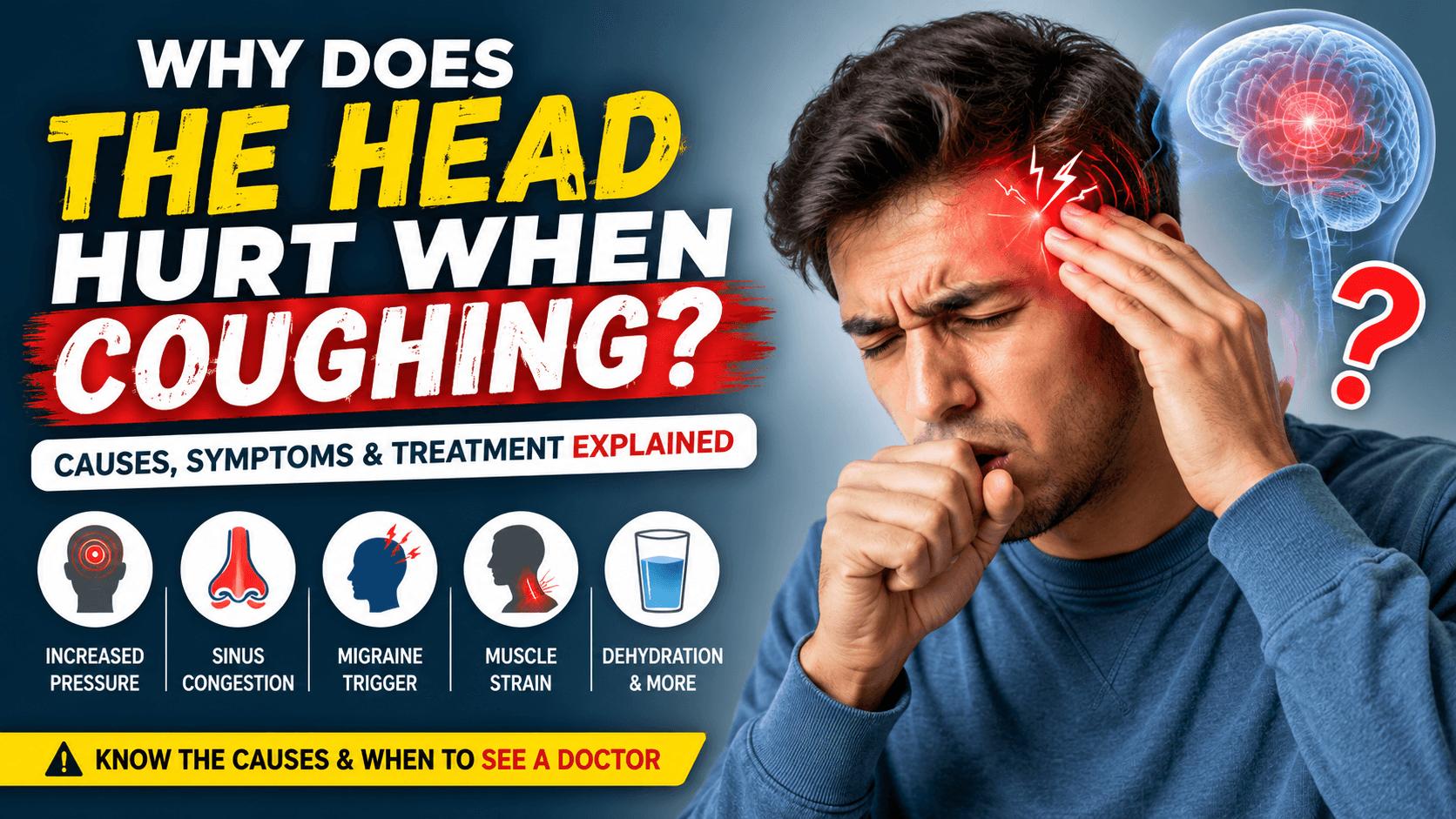
What Causes Head Pain When You Cough? Common Reasons You Should Know
Experiencing a headache when you cough can be surprising and sometimes alarming. Most cough-related headaches are temporary and harmless, but in some cases they may point to a health problem that should be checked by a doctor. Understanding the possible causes can help you determine whether the pain is temporary or something that should be evaluated by a healthcare professional.
Common Causes of Head Pain When Coughing
Several conditions can cause your head to hurt when you cough. The most common include:
- Increased Pressure Inside the Head: A forceful cough temporarily increases pressure inside your chest and skull. This sudden pressure change can trigger a short-lasting headache.
- Sinus Infection or Sinus Congestion: Inflamed or blocked sinuses create extra pressure around the forehead, cheeks, and eyes. Coughing can worsen this pressure, leading to head pain.
- Cold, Flu, or Respiratory Infection: Viral infections often cause inflammation, congestion, and frequent coughing, which may result in headaches.
- Migraine: People who suffer from migraines may notice that coughing makes an existing headache worse or triggers migraine symptoms.
- Dehydration: Not drinking enough water can increase the likelihood of headaches, especially when your body is already fighting an illness.
- Muscle Tension: Persistent coughing can strain the muscles in your neck and shoulders, causing tension headaches that spread to the back or sides of the head.
What Is a Primary Cough Headache?
A primary cough headache is a headache that occurs directly because of coughing, sneezing, laughing, or straining without being caused by another medical condition. These headaches are generally considered harmless and often have the following characteristics:
- They begin suddenly after coughing.
- The pain is usually sharp or stabbing.
- In most cases, the symptoms continue for only a few seconds or up to several minutes.
- The headache often affects both sides of the head.
- Episodes may occur repeatedly during periods of frequent coughing.
Although primary cough headaches are usually benign, anyone experiencing them for the first time should seek medical advice to rule out more serious conditions.
When Could It Be a Serious Problem?
In some cases, a headache triggered by coughing may be linked to an underlying neurological or structural condition. Do not wait to seek medical care if your headache is accompanied by any of the following symptoms.
- A severe headache that starts suddenly and is unlike your usual headaches.
- Head pain that lasts for several hours or keeps returning.
- Blurred vision or double vision.
- Difficulty speaking or understanding speech.
- Weakness or numbness in the arms or legs.
- Loss of balance or frequent dizziness.
- Repeated vomiting.
- High fever with a stiff neck.
- Confusion, fainting, or seizures.
Experiencing these symptoms may indicate an underlying medical problem that requires prompt attention.
Risk Factors
Certain factors may increase the chances of developing a cough-related headache, including:
- Being over the age of 40.
- Chronic coughing caused by smoking or lung disease.
- Frequent sinus infections or seasonal allergies.
- Chronic migraines.
- Respiratory illnesses such as bronchitis or pneumonia.
- Conditions that increase pressure inside the skull.
Can Head Pain While Coughing Be Prevented?
You may not be able to avoid it completely, but healthy lifestyle choices can help minimize your risk.
- Treat coughs, colds, and respiratory infections promptly.
- Stay well hydrated throughout the day.
- Avoid smoking and exposure to secondhand smoke.
- Manage seasonal allergies with appropriate treatment.
- Get enough sleep and maintain a healthy immune system.
- Always use your medicines according to your doctor’s instructions.
Key Takeaway
Most headaches that occur while coughing are temporary and are caused by increased pressure during a forceful cough. They often improve once the underlying cough or illness resolves. However, persistent, severe, or recurring headaches—especially when accompanied by neurological symptoms—should never be ignored. A prompt medical evaluation can identify the reason for your symptoms and guide appropriate treatment if required.
When Is a Cough-Related Headache a Warning Sign? Symptoms and Treatment
Most headaches that occur while coughing are temporary and go away once the cough improves. However, there are situations where a cough-related headache may be a warning sign of a more serious medical condition. Knowing the symptoms that require medical attention and understanding the available treatment options can help prevent complications and ensure timely care.
Warning Signs You Should Never Ignore
While occasional head pain during coughing is often harmless, you should seek medical attention if you experience any of the following symptoms:
- A sudden, extremely intense headache that is more severe than any you’ve experienced before.
- Headache lasting longer than a few minutes or recurring frequently even when you are not coughing.
- Blurred or double vision that appears with the headache.
- Difficulty speaking, confusion, or memory problems.
- Numbness or weakness affecting your face, one or both arms, or your legs.
- Loss of balance, dizziness, or fainting.
- Persistent vomiting along with severe head pain.
- High fever and a stiff neck, which may indicate a serious infection.
- Headache after a recent head injury, even if the injury seemed minor.
- Changes in personality, behavior, or consciousness.
These symptoms should never be ignored because they may indicate an underlying neurological condition that requires immediate medical evaluation.
Medical Conditions That Can Cause Serious Cough Headaches
Although uncommon, certain health conditions can cause headaches that become worse when coughing:
- Brain abnormalities, such as Chiari malformation, can sometimes contribute to this condition.
- Brain tumors that increase pressure inside the skull.
- Brain aneurysms or bleeding in the brain.
- A condition called hydrocephalus occurs when too much fluid collects in the brain.
- Brain infections, including meningitis or encephalitis.
- Elevated intracranial pressure, which can trigger headaches during coughing or straining.
These conditions are relatively rare, but healthcare providers may recommend additional testing if they suspect an underlying cause.
How Doctors Diagnose the Cause
If your cough-related headache is severe, persistent, or associated with warning signs, your doctor may perform several evaluations, including:
- Reviewing your medical history and symptoms.
- Conducting a complete neurological examination.
- Checking your blood pressure and overall physical health.
- Ordering imaging tests such as an MRI or CT scan if necessary.
- Recommending blood tests to identify infections or inflammation.
- Referring you to a neurologist if a neurological disorder is suspected.
Early diagnosis is important because treatment depends on identifying the exact cause of the headache.
Treatment Options
The appropriate treatment depends on whether the headache is primary (harmless) or secondary (caused by another condition).
For Primary Cough Headaches
Treatment may include:
- Prescription medications recommended by your healthcare provider.
- Managing the underlying cough to reduce pressure inside the head.
- Drinking plenty of fluids to stay hydrated.
- Getting adequate rest.
- Avoiding activities that trigger repeated coughing whenever possible.
Many people notice significant improvement once their cough resolves.
For Secondary Cough Headaches
If another medical condition is responsible for the headache, treatment focuses on addressing the underlying problem. Depending on the diagnosis, this may involve:
- Antibiotics or antiviral medications for infections.
- Medication to reduce pressure inside the skull.
- Treatment for sinus disease or chronic respiratory conditions.
- Surgical procedures in rare cases involving structural brain abnormalities or tumors.
The right treatment will depend on your diagnosis, and your doctor will recommend the most suitable option.
Tips to Reduce Your Risk
Although not every cough headache can be prevented, these healthy habits may lower your risk:
- Treat coughs and respiratory infections as early as possible.
- Stay hydrated throughout the day.
- Avoid smoking and exposure to secondhand smoke.
- Manage allergies to reduce chronic coughing.
- Practice good hand hygiene to help prevent infections.
- Eat a balanced diet and get enough sleep to support your immune system.
- Follow your doctor’s advice if you have chronic lung disease, asthma, or recurring sinus infections.
Conclusion
Most cough-related headaches occur because pressure inside the head increases briefly during a cough and usually resolve without serious concern. In many cases, it occurs alongside a cold, flu, sinus infection, or persistent cough and improves once the underlying illness is treated. However, understanding the possible causes and recognizing warning signs is essential for protecting your health.
If your headache is mild, lasts only a few seconds, and occurs only while coughing, simple measures such as staying hydrated, getting enough rest, and treating the cough may help relieve the symptoms. On the other hand, if the headache is severe, keeps returning, lasts for a long time, or is accompanied by symptoms such as blurred vision, dizziness, weakness, confusion, vomiting, or difficulty speaking, you should seek immediate medical attention. Experiencing these symptoms may indicate a medical condition that should be diagnosed and treated by a healthcare professional.
Listening to your body and acting early can make a significant difference. Never ignore persistent or unusual headaches, especially if they interfere with your daily life. Early diagnosis and appropriate treatment can effectively manage most causes of cough-related headaches, allowing you to return to your normal routine with confidence.
➤ Tap here to explore effective remedies for common health issues along with practical tips to keep your body strong and healthy.
https://hinditipsonline.com/category/health-tips/
➤ If you’d rather watch than read, just click the link below to enjoy the full video.
https://youtu.be/Lxgqln0gJHo?si=IRu7t2qnvVIMhZJ2
Frequently Asked Questions
Q1. Why does my head hurt when I cough?
A: Head pain while coughing is usually caused by a temporary increase in pressure inside the head. It may also occur due to sinus infections, the common cold, migraines, or other underlying medical conditions.
Q2. Is it normal to have a headache when coughing?
A: Yes, occasional headaches during coughing are often harmless and usually improve once the cough goes away. However, if the headache is severe, frequent, or persistent, you should consult a healthcare professional.
Q3. When should I see a doctor for a cough-related headache?
A: You should seek medical attention if the headache is sudden and severe, lasts for a long time, keeps returning, or is accompanied by symptoms such as blurred vision, dizziness, vomiting, weakness, confusion, or difficulty speaking.
Q4. How can I relieve a headache caused by coughing?
A: You can reduce cough-related headaches by treating the underlying cough, staying hydrated, getting enough rest, and following your doctor’s treatment plan. Persistent symptoms should be evaluated by a healthcare provider.
Q5. Can a headache when coughing be a sign of a serious illness?
A: Yes. Although rare, it can sometimes indicate conditions such as increased pressure inside the skull, brain abnormalities, or neurological disorders. If you experience severe or unusual symptoms, seek medical care immediately.