
How Soon Can a Urine Pregnancy Test Detect Pregnancy?
A urine pregnancy test is one of the easiest and most reliable ways to find out if you are pregnant. However, taking the test too early can lead to a false negative result, even if pregnancy has already begun. Knowing the right time to take a urine pregnancy test can help you get the most accurate result.
When Does a Urine Pregnancy Test Detect Pregnancy?
A urine pregnancy test works by detecting human chorionic gonadotropin (hCG), a hormone that is produced after a fertilized egg attaches to the lining of the uterus. This hormone is not present immediately after conception. It usually starts increasing several days after implantation.
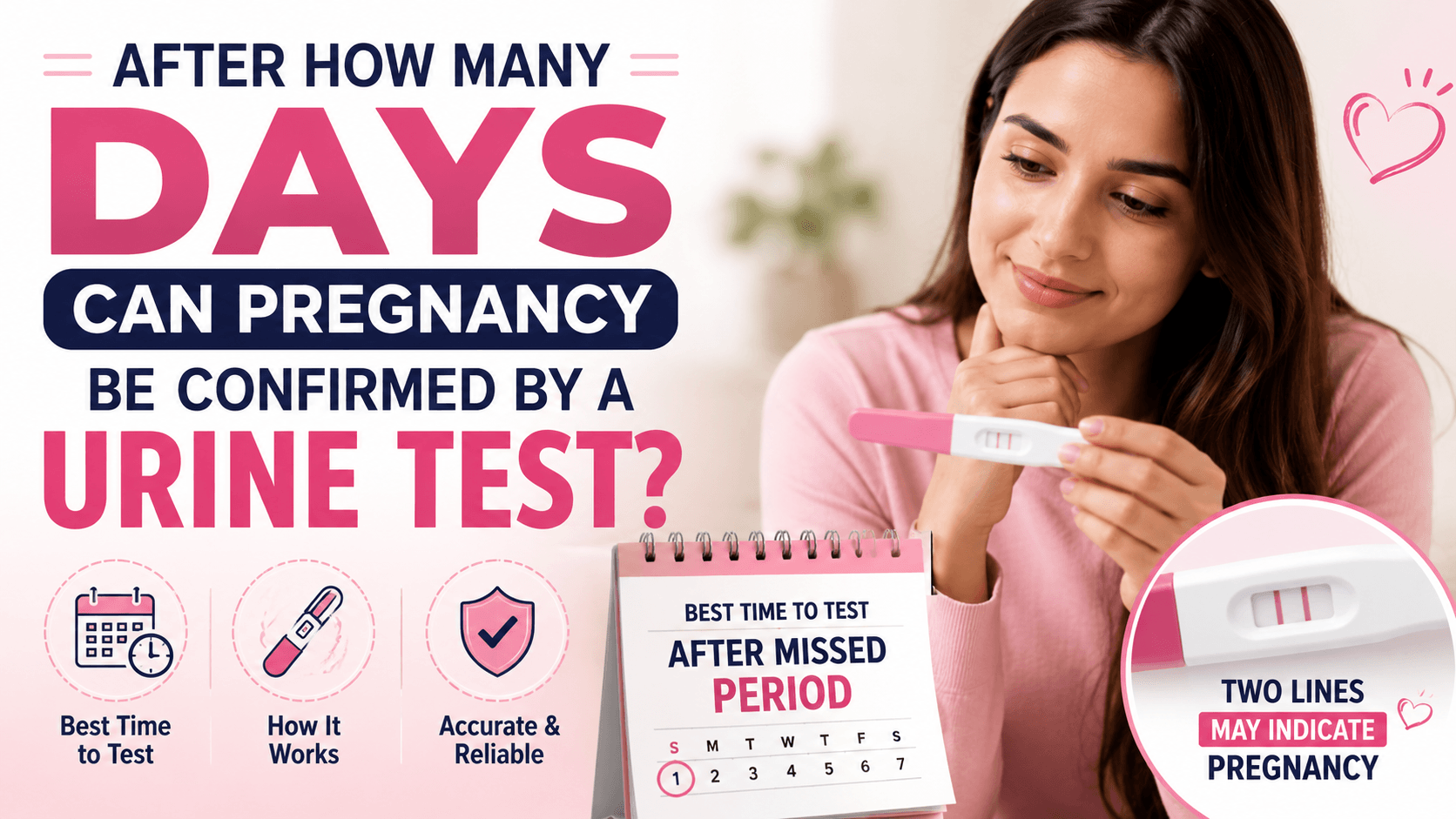
In most cases, a urine pregnancy test can confirm pregnancy about 10 to 14 days after conception. However, for the highest accuracy, healthcare experts recommend taking the test after your missed period. By this time, hCG levels are usually high enough to be detected by most home pregnancy test kits.
What Is the Best Time to Take the Test?
If your menstrual cycle is regular, the best time to take a urine pregnancy test is on the first day after your missed period. Testing earlier than this may result in a negative result even if you are pregnant because the hCG level may still be too low.
For women with irregular periods, it is generally recommended to wait at least 21 days after unprotected sex before taking a urine pregnancy test if the date of ovulation is unknown.
Using the first urine of the morning is also recommended because it contains the highest concentration of hCG, making the test more accurate.
Can You Test Too Early?
Yes. Taking a pregnancy test too soon is one of the most common reasons for inaccurate results. During the first few days after fertilization, the embryo has not yet implanted in the uterus, so the body has not started producing enough hCG.
If you receive a negative result but your period still does not start, wait 48 to 72 hours and test again. Since hCG levels usually double every two to three days during early pregnancy, a repeat test may provide a more accurate answer.
How Accurate Is a Urine Pregnancy Test?
Most home pregnancy tests are over 99% accurate when they are used correctly and at the recommended time. Accuracy depends on several factors, including:
- Taking the test after a missed period.
- Following the instructions provided with the test kit.
- Using the first morning urine whenever possible.
- Checking that the test kit has not expired.
Incorrect use, diluted urine, or testing too early may affect the result.
What If the Result Is Positive?
A positive urine pregnancy test usually means that you are pregnant. The next step is to schedule an appointment with your healthcare provider to confirm the pregnancy and begin prenatal care.
Your doctor may recommend:
- A blood pregnancy test.
- An ultrasound scan.
- Prenatal vitamins, including folic acid.
- Lifestyle and dietary guidance for a healthy pregnancy.
What If the Result Is Negative but Pregnancy Symptoms Continue?
Sometimes a urine test may be negative even though pregnancy symptoms are present. This can happen if:
- The test was taken too early.
- Ovulation occurred later than expected.
- The urine was too diluted.
- The test was not performed correctly.
If your period remains late or symptoms such as nausea, breast tenderness, fatigue, or frequent urination continue, repeat the test after a few days or consult your healthcare provider for further evaluation.
Tips for Getting the Most Accurate Result
How to Make Your Urine Pregnancy Test More Accurate
- Wait until after your missed period whenever possible.
- Use the first urine of the morning.
- Carefully follow all instructions on the test kit.
- Avoid drinking excessive amounts of water before testing.
- Repeat the test after two or three days if the first result is negative but your period has not started.
Conclusion
A urine pregnancy test can usually confirm pregnancy 10 to 14 days after conception, but the most reliable results are obtained after a missed period. Testing too early may lead to a false negative result because hCG levels may not yet be high enough for detection. If your first test is negative but you still suspect pregnancy, wait a few days and test again or consult a healthcare professional for further testing. Taking the test at the right time is the best way to ensure an accurate and dependable result.
➤ Tap here to explore effective remedies for common health issues along with practical tips to keep your body strong and healthy.
https://hinditipsonline.com/category/health-tips/
➤ If you’d rather watch than read, just click the link below to enjoy the full video.
https://youtu.be/aCNiZzlpMpc?si=n68QOy_Z4VwBWPFM
Frequently Asked Questions
Q1. How many days after unprotected sex can a urine pregnancy test detect pregnancy?
A: Most urine pregnancy tests can detect pregnancy 10–14 days after conception. However, for the most accurate result, it is best to take the test after your missed period. Testing too early may produce a false negative because hCG levels may still be too low.
Q2. Can a urine pregnancy test be wrong?
A: Yes. A urine pregnancy test can sometimes give a false result, especially if it is taken too early, the urine is diluted, or the instructions are not followed correctly. If the result is negative but your period is still delayed, repeat the test after 48–72 hours or consult a healthcare provider.
Q3. What should I do after getting a positive urine pregnancy test?
A: A positive urine pregnancy test usually indicates pregnancy. The next step is to schedule an appointment with your healthcare provider to confirm the pregnancy. They may recommend a blood test or ultrasound and provide advice on prenatal care, including taking folic acid, eating a balanced diet, and attending regular pregnancy check-ups.